

Published on: 2025-07-10 | Written by: Yasser Hamed Prof. of Breast Oncology Surgery
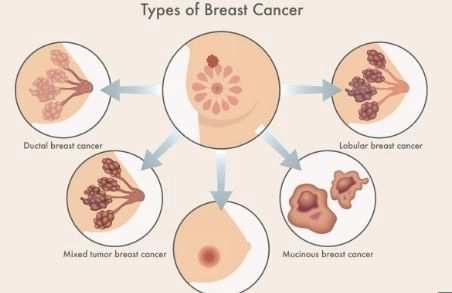
Breast tumor surgery is one of the most specialized fields in modern medicine, focusing on the treatment of both benign and malignant breast tumors. The primary goal is to remove the tumor with maximum precision while preserving as much healthy breast tissue as medically appropriate. Advances in breast-conserving surgery, reconstructive surgery, and oncoplastic techniques have significantly improved both therapeutic and cosmetic outcomes, helping patients achieve a better quality of life after treatment. Early diagnosis remains the most important factor in increasing the chances of successful treatment.
What Is Breast Tumor Surgery?
Dr. Yasser Hamed explains that breast tumor surgery includes a variety of surgical procedures used to treat benign breast tumors and breast cancer. The choice of surgical technique depends on the type, size, stage, and location of the tumor, as well as the patient's overall health condition. Depending on the clinical evaluation, treatment may involve removing only the tumor (breast-conserving surgery) or performing a mastectomy in selected cases when medically indicated.
When Is Breast Tumor Surgery Needed?
Dr. Yasser Hamed emphasizes that the decision to perform breast tumor surgery is based on a comprehensive clinical evaluation, breast imaging studies, and biopsy results. Surgery may be recommended for breast cancer, certain benign tumors causing symptoms or requiring removal, or suspicious breast changes that warrant surgical management, with every treatment plan tailored to the individual patient's condition.
Diagnosis Before Breast Tumor Surgery
Dr. Yasser Hamed confirms that the success of breast tumor surgery depends on an accurate diagnosis, which includes a thorough clinical breast examination, mammography, breast ultrasound, magnetic resonance imaging (MRI) when appropriate, and a biopsy for pathological analysis. These diagnostic tools help determine the exact nature and stage of the tumor, allowing the medical team to select the most effective treatment approach.
Recovery After Breast Tumor Surgery
Dr. Yasser Hamed points out that recovery following breast tumor surgery varies from one patient to another depending on the type of operation performed and the patient's overall health status. Patients are advised to follow postoperative instructions carefully, maintain proper wound care, attend scheduled follow-up visits, perform recommended rehabilitation exercises when appropriate, and discuss breast reconstruction options if they are medically suitable. These measures contribute to better healing and improved functional and cosmetic outcomes.
The Importance of Early Detection and Follow-Up
Dr. Yasser Hamed explains that early detection and regular follow-up are among the most important factors in improving the outcomes of breast tumor treatment. Detecting abnormalities at an early stage significantly increases the likelihood of successful treatment. Regular medical evaluations and adherence to the recommended treatment plan also help monitor recovery and identify any future changes as early as possible.
Tips for Maintaining Breast Health
To help maintain healthy breasts, it is recommended to:
Perform regular breast self-examinations while understanding that they do not replace professional medical screening.
Follow your physician's recommendations regarding routine breast examinations and imaging.
Seek medical evaluation if you notice a breast lump, changes in breast shape or size, nipple discharge, or skin changes.
Maintain a healthy lifestyle through balanced nutrition and regular physical activity.
Adhere to your prescribed treatment and follow-up schedule after surgery when applicable.
When Should You Consult a Breast Surgeon?
You should consult a breast surgeon if you experience a breast lump, changes in the size or shape of the breast, abnormal nipple discharge, skin changes, or persistent breast pain that requires medical evaluation, as early diagnosis plays a vital role in determining the underlying cause and selecting the most appropriate treatment.
Breast tumor surgery is a cornerstone in the treatment of many breast tumors, and its success depends on early diagnosis, comprehensive evaluation, selecting the most appropriate surgical procedure, and continuous postoperative follow-up. These essential steps help achieve the best possible treatment outcomes, preserve the patient's health, and improve long-term quality of life.