

Published on: 2025-07-01 | Written by: Dr. Khaled Mohamed Ahmed, Consultant in Internal
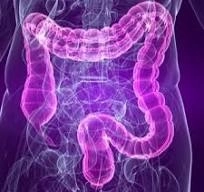
Irritable bowel syndrome (IBS) is one of the common digestive disorders that can affect a person's daily life and overall comfort. It may cause recurring abdominal pain, bloating, excessive gas, constipation, or diarrhea. Symptoms can vary from one person to another and may become worse after eating certain foods or during periods of stress and anxiety.
With appropriate medical evaluation and a suitable treatment plan, many people with irritable bowel syndrome can manage their symptoms and improve their quality of life. Treatment usually focuses on relieving symptoms, identifying individual triggers, adjusting eating habits, and using medications when necessary under medical supervision.
What Is Irritable Bowel Syndrome?
Irritable bowel syndrome is a functional digestive disorder characterized by recurring abdominal pain associated with changes in bowel habits, such as constipation, diarrhea, or alternating episodes of both.
Unlike certain inflammatory or structural digestive diseases, IBS does not usually cause visible damage to the digestive tract. However, its symptoms can be persistent and may interfere with work, sleep, social activities, and daily routines.
The severity of symptoms varies, and some people experience occasional discomfort while others have more frequent episodes that require medical management.
What Are the Symptoms of Irritable Bowel Syndrome?
The symptoms of IBS differ among individuals, but the most common include:
Abdominal pain and cramps: Pain may occur repeatedly and can sometimes improve after a bowel movement.
Bloating: The abdomen may feel full, swollen, or uncomfortable.
Excessive gas: Some people experience frequent gas and abdominal pressure.
Constipation: Bowel movements may become less frequent or difficult.
Diarrhea: Some individuals experience loose stools and an urgent need to use the bathroom.
Alternating constipation and diarrhea: Some people experience both patterns at different times.
A feeling of incomplete bowel emptying: A person may feel that a bowel movement has not fully relieved the need to pass stool.
Symptoms may fluctuate over time. Keeping track of when they occur can help identify possible triggers and guide treatment.
What Causes Irritable Bowel Syndrome?
The exact cause of irritable bowel syndrome is not fully understood. Several factors may contribute to its development or worsening, including:
Changes in bowel movement patterns: The intestines may contract too quickly or too slowly, contributing to diarrhea or constipation.
Increased intestinal sensitivity: Some people experience pain or discomfort in response to normal amounts of gas or intestinal movement.
Communication between the brain and gut: Changes in the interaction between the digestive system and the nervous system may affect bowel function and pain perception.
Stress and anxiety: Psychological stress may worsen symptoms in some individuals.
Food-related triggers: Certain foods and drinks may contribute to bloating, cramps, diarrhea, or other symptoms.
Changes in gut bacteria: Differences in the intestinal microbiome may play a role in some cases.
Not everyone with IBS has the same triggers. Identifying individual patterns is therefore an important part of managing the condition.
How Is Irritable Bowel Syndrome Diagnosed?
Diagnosing IBS involves reviewing the patient's symptoms, medical history, and family history, along with performing a physical examination.
The doctor may ask about the frequency and duration of abdominal pain, changes in bowel habits, food-related symptoms, and any medications being used.
Depending on the symptoms and medical history, additional tests may be needed to rule out other conditions, such as celiac disease, inflammatory bowel disease, or other digestive disorders.
It is important not to assume that every case of abdominal pain or bloating is caused by IBS, especially when symptoms are new, persistent, or unusual.
Treatment of Irritable Bowel Syndrome
There is no single treatment that works for everyone with IBS. The treatment plan depends on the predominant symptoms, their severity, and how the individual responds to different approaches.
1. Dietary Changes
Adjusting eating habits may help reduce symptoms and improve digestive comfort. Helpful measures may include:
Eating regular meals and avoiding skipping meals.
Eating slowly and avoiding very large meals.
Keeping a food and symptom diary to identify possible triggers.
Reducing foods that consistently worsen symptoms.
Drinking enough fluids throughout the day.
Adjusting fiber intake according to whether constipation or diarrhea is the main problem.
Some people may benefit from a low-FODMAP diet, which temporarily reduces certain fermentable carbohydrates that can trigger digestive symptoms. This diet should ideally be followed with guidance from a qualified dietitian, with foods gradually reintroduced to identify individual tolerances.
2. Treating IBS-Related Constipation
When constipation is the main symptom, treatment may focus on improving stool consistency and supporting regular bowel movements.
A doctor may recommend gradually increasing soluble fiber, such as that found in oats, depending on the individual's tolerance. Drinking adequate fluids and maintaining regular physical activity may also help.
If lifestyle changes are insufficient, the doctor may recommend an appropriate medication. Laxatives and other constipation treatments should be selected according to the patient's symptoms and medical history.
Increasing fiber too quickly may worsen gas and bloating, so gradual adjustments are generally preferable.
3. Treating IBS-Related Diarrhea
When diarrhea is the predominant symptom, treatment may focus on reducing urgency and improving bowel consistency.
A doctor may recommend identifying and reducing foods or drinks that trigger diarrhea. Medication may also be considered when appropriate, depending on symptom severity and the patient's medical history.
Persistent diarrhea should not automatically be attributed to IBS. Medical assessment may be needed to rule out infection, food intolerance, inflammatory conditions, or other causes.
4. Relieving Abdominal Pain and Cramps
Abdominal pain and cramping are common symptoms of IBS. Depending on the case, a doctor may recommend medications that help relax intestinal muscles or reduce pain.
Some patients may also benefit from identifying food triggers, eating smaller meals, practicing relaxation techniques, and maintaining regular physical activity.
Medication should be selected according to the individual's symptoms and other medical conditions rather than used without professional guidance.
5. The Role of Probiotics
Probiotics contain live microorganisms that may influence the balance of bacteria in the digestive tract. Some people with IBS may experience improvement in certain symptoms, but the evidence varies depending on the probiotic strain and the condition being treated.
A doctor may help determine whether trying a probiotic is appropriate and how long it should be used. If symptoms do not improve, continued use may not be beneficial.
The Relationship Between Stress and Irritable Bowel Syndrome
Stress and anxiety can worsen IBS symptoms in some people because the digestive system and the nervous system communicate closely with each other.
Stress management does not mean that symptoms are imaginary. Rather, it may help reduce factors that contribute to abdominal discomfort and changes in bowel habits.
Helpful strategies may include:
Maintaining a regular sleep schedule.
Practicing relaxation and breathing exercises.
Engaging in regular physical activity.
Setting aside time for activities that reduce stress.
Considering psychological therapies, such as cognitive behavioral therapy, when symptoms remain difficult to manage.
A comprehensive treatment plan may address both digestive symptoms and factors that affect the gut-brain connection.
Foods That May Worsen IBS Symptoms
Food triggers vary from person to person, but some people find that certain foods or drinks worsen their symptoms, including:
Fatty or heavily fried foods.
Very spicy foods.
Excessive caffeine.
Carbonated beverages.
Certain dairy products, particularly in people with lactose intolerance.
Some legumes, fruits, and vegetables that may increase gas.
Certain processed foods containing ingredients that are poorly tolerated by some individuals.
It is not necessary for every person with IBS to avoid all these foods. Keeping a food diary and changing one factor at a time can help identify personal triggers without unnecessarily restricting the diet.
When Should You See a Doctor?
Medical assessment is important when symptoms are frequent, persistent, or affecting daily life. A doctor can help determine whether IBS is the most likely explanation and recommend an appropriate treatment plan.
Certain symptoms require prompt medical evaluation because they may indicate another condition. These include:
Blood in the stool or rectal bleeding.
Unexplained weight loss.
Persistent or severe abdominal pain.
Fever or repeated vomiting.
Anemia or unusual fatigue associated with other symptoms.
New and persistent changes in bowel habits, especially in older adults.
These symptoms should not be assumed to be caused by irritable bowel syndrome.
Treatment of Irritable Bowel Syndrome with Dr. Khaled Mohamed Ahmed
Dr. Khaled Mohamed Ahmed is included here as the requested doctor for this article on irritable bowel syndrome. The appropriate approach to managing IBS depends on an accurate assessment of symptoms, bowel habits, medical history, and possible triggers.
Medical evaluation can help distinguish IBS from other digestive conditions and determine whether dietary adjustments, medication, lifestyle changes, or additional investigations are needed.
Because IBS affects individuals differently, treatment should be tailored to the patient's predominant symptoms and response to care. The goal is to reduce discomfort, improve bowel habits, and support a better quality of life.
Conclusion
Irritable bowel syndrome is a common digestive disorder that may cause abdominal pain, bloating, constipation, diarrhea, or a combination of these symptoms. Although it can be a long-term condition, appropriate management may help reduce symptoms and improve daily comfort.
Treatment may include dietary adjustments, lifestyle changes, medications selected according to the predominant symptoms, and stress-management strategies. Identifying personal triggers and following a medical treatment plan are important steps toward better symptom control.
Consulting a doctor is essential when symptoms persist, worsen, or are accompanied by warning signs, so that the correct diagnosis can be established and the most appropriate treatment can be selected.