
Published on: 2025-06-30 | Written by: Dr. Ahmed Mohamed Khamis, Consultant Orthopedic
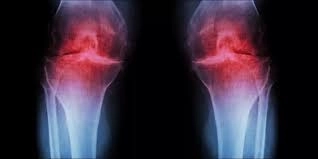
Osteoarthritis is one of the most widespread bone disorders, particularly affecting the knee, hip, and shoulder joints. As joint pain intensifies and mobility becomes difficult, many patients find themselves caught between a pivotal question: Should I continue with conservative treatment (medications, injections, and physical therapy), or is it time for surgical intervention?
Dr. Ahmed Mohamed Khamis, Consultant of Orthopedic Surgery, Fractures, Joint Replacement, Arthroscopy, and Bone Deformity Correction at Alexandria University and Member of the American Academy of Orthopaedic Surgeons (AAOS), explains that the choice between conservative and surgical treatment is not made arbitrarily. Instead, it relies on precise medical criteria based on the degree of cartilage wear, the patient's age, and the extent to which pain impacts their daily life.
The surface of the bones inside a joint is covered by a smooth, resilient layer known as articular cartilage, which acts as a cushion preventing bone-on-bone friction and facilitating smooth movement. With aging, weight gain, or previous injuries, this cartilage begins to wear down gradually, leading to:
Friction between bone ends and chronic inflammation.
Formation of bone spurs (osteophytes) around the joint.
Joint stiffness and difficulty fully bending or straightening it.
Swelling and fluid accumulation inside the joint with pain that worsens during movement and stair climbing.
Conservative treatment serves as the cornerstone for managing grades one, two, and some cases of grade three osteoarthritis. Its goal is to relieve pain, reduce inflammation, and strengthen the muscles supporting the joint to slow down cartilage wear.
Conservative treatment encompasses several integrated pillars:
Lifestyle Modification and Weight Loss: Shedding excess weight is one of the most vital therapeutic steps; for every kilogram of weight lost, the load on the knee joint is reduced by approximately fourfold during walking.
Physical Therapy and Rehabilitation Exercises: Focusing on strengthening the muscles surrounding the joint (such as the quadriceps) to absorb shocks and reduce direct stress on the worn cartilage.
Pharmacological Treatment and Supplements:
Safe anti-inflammatories and painkillers under medical supervision to calm acute pain flare-ups.
Cartilage-building supplements (such as glucosamine, chondroitin, and collagen) to support joint health.
Intra-Articular Injections:
Hyaluronic Acid Injections (Lubricating Fluid): To replenish the joint's synovial fluid, ease movement, and reduce friction.
Platelet-Rich Plasma (PRP) Injections: To stimulate natural growth factors and calm inflammation in early and moderate stages.
Anti-Inflammatory Corticosteroid Injections: Used with extreme caution and in specific cases to temporarily relieve severe pain.
When Does Conservative Treatment Succeed? Conservative treatment excels when the cartilage still retains a significant portion of its thickness, and the patient remains capable of performing daily activities and walking reasonable distances without severe pain.
In advanced cases (grade four osteoarthritis), the cartilage wears away completely, and the bones rub directly against each other. Here, conservative treatment becomes a mere temporary palliative measure that loses its effectiveness over time, trapping the patient in a cycle of persistent pain and reduced mobility.
Dr. Ahmed Mohamed Khamis recommends surgical intervention when the following signs are present:
Continuous, severe pain day and night, even during rest or sleep, unresponsive to medications, injections, or physical therapy.
Extreme difficulty performing simple daily activities such as walking indoors, praying, sitting and standing from a chair, or climbing and descending stairs.
Pronounced bowing in the legs or joint alignment deformity due to wear on one side of the cartilage more than the other.
Severe joint stiffness causing the patient to lose the ability to bend or straighten it normally.
Psychological impact on the patient and constant reliance on strong painkillers that may harm the kidneys and stomach.
Modern surgeries performed by Dr. Ahmed Mohamed Khamis vary according to the osteoarthritis stage and the patient's age, including:
When is it used? In early or moderate stages if the osteoarthritis is accompanied by a meniscus tear or loose bony bodies impeding joint movement.
Advantages: Performed through tiny incisions, helping clean the joint, repair damaged tissue, and quickly relieve pain.
When is it used? Suitable for younger patients (typically under 55) suffering from single-compartment knee osteoarthritis accompanied by leg bowing.
Concept: Modifying bone angles to shift the load center from the worn part to the healthy part of the joint, delaying the need for a joint replacement for many years.
When is it used? The definitive and most successful solution for advanced osteoarthritis and complete cartilage wear (whether partial or total replacement of the knee or hip joint).
Advantages:
Complete elimination of pain caused by bone friction.
Restoration of normal leg alignment and elimination of bowing.
Return to walking, movement, and daily life comfortably and naturally.
Long lifespan for modern artificial joints extending past 15 to 20 years.
Joint and arthroscopic surgeries demand extreme precision and extensive experience to ensure the best functional outcome for the patient, which is what Dr. Ahmed Mohamed Khamis provides:
Honest Scientific Evaluation: Resorting to surgery only when it is the optimal and necessary choice for the patient's condition.
Distinguished Academic and Surgical Expertise: Consultant of Orthopedic Surgery, Fractures, Joint Replacement, Arthroscopy, and Bone Deformity Correction at Alexandria University, and Member of the American Academy of Orthopaedic Surgeons (AAOS).
Latest Technologies and Approved Implants: Utilizing world-class artificial joint implants and micro-arthroscopy techniques that minimize post-operative pain and accelerate rehabilitation and walking.
Integrated Rehabilitation Program: Following up with the patient step-by-step after treatment or surgery to ensure full recovery of the joint's range of motion.