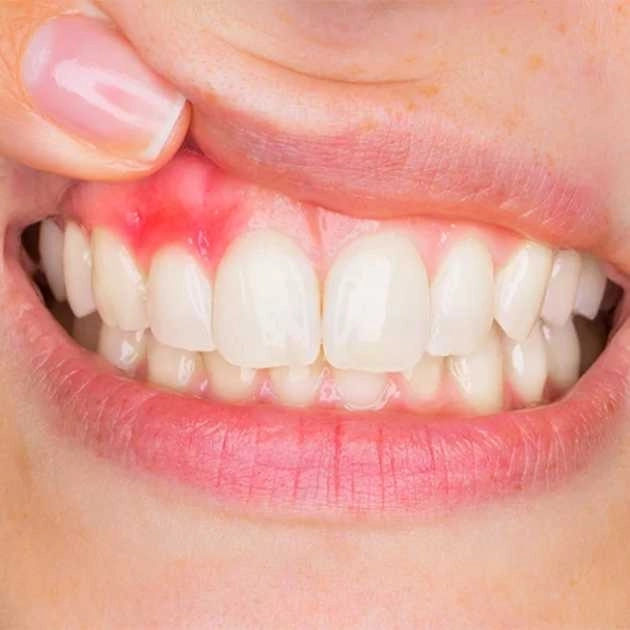
Gum Problems Causes and prevention
Healthy gums are the foundation for a healthy mouth and strong teeth. However, many people experience various gum problems, ranging from simple inflammation to serious diseases that can lead to tooth loss. Understanding these issues, their causes, and how to prevent and treat them is vital for maintaining your overall oral health.
What are Common Gum Problems?
Gum problems typically progress in severity, with the most common being:
-
Gingivitis:
- Description: This is the early and most common stage of gum disease. It's caused by the buildup of plaque, a sticky film of bacteria that constantly forms on your teeth. If plaque isn't removed through daily cleaning, it hardens into tartar, a substance that's difficult to remove with brushing alone.
- Symptoms: Red, swollen, tender gums that may bleed easily when brushing or flossing. This stage is usually painless, which can delay its detection.
- Treatment: Gingivitis can often be fully reversed by improving daily oral hygiene (regular brushing and flossing) and professional dental cleaning (plaque and tartar removal) at the dentist's office.
-
Periodontitis:
- Description: If gingivitis is left untreated, it can progress to periodontitis. In this stage, the infection and inflammation spread to the tissues and bone supporting the teeth. The gums begin to pull away from the teeth, forming "pockets" where bacteria and tartar accumulate, leading to progressive destruction of the bone surrounding the teeth.
- Symptoms: In addition to gingivitis symptoms, more severe signs may appear, such as:
- Gum recession (more of the tooth or its root becomes exposed).
- Spaces appearing between teeth.
- Persistent bad breath.
- A change in how teeth fit together when biting.
- Tooth sensitivity (due to exposed roots).
- Loose teeth or tooth loss in advanced stages.
- Treatment: Periodontitis requires deeper professional treatment, such as scaling and root planing to remove tartar and bacteria from below the gum line. In some cases, gum surgery may be necessary to repair damage or restore lost bone.
Causes of Gum Problems:
The primary cause of most gum problems is the accumulation of plaque and tartar due to poor oral hygiene. However, other factors can increase the risk:
- Smoking: Significantly increases the risk of gum disease and worsens its severity.
- Hormonal Changes: Such as those occurring during pregnancy, puberty, or menopause, can increase gum sensitivity.
- Certain Diseases: Like uncontrolled diabetes, which affects the body's immune system.
- Certain Medications: That cause dry mouth or gum enlargement.
- Genetics: Some individuals may have a genetic predisposition to gum disease.
- Poor Nutrition: Lack of vitamins and minerals can weaken immunity and gum health.
- Crooked Teeth or Poorly Fitting Restorations: Which make teeth difficult to clean and increase bacterial buildup.
Preventing Gum Problems:
Prevention is the best line of defense against gum problems:
- Good Oral Hygiene:
- Brushing: At least twice a day with a fluoride toothpaste, focusing on the gum line.
- Flossing: At least once a day to remove plaque and food particles from between teeth and below the gum line.
- Mouthwash: Can be used as an addition, but it does not replace brushing and flossing.
- Regular Dental Visits: For professional cleaning and periodic check-ups, a visit every 6 months or as recommended by your dentist is advised.
- Healthy Lifestyle:
- Quitting smoking.
- Eating a balanced diet.
- Managing chronic diseases, especially diabetes.
- Avoiding Harmful Habits: Such as nail-biting or using teeth to open things.
When Should You See a Dentist?
Do not ignore any signs of gum problems. If you notice any of the following symptoms, visit your dentist immediately:
- Bleeding gums when brushing or flossing.
- Red, swollen, or painful gums.
- Receding gums.
- Persistent bad breath.
- Loose or widely spaced teeth.
- A change in how your teeth fit together when you bite.
Remember: Healthy gums mean a more beautiful smile and better overall health for your entire body. Do not hesitate to consult a dentist to maintain the health of your gums and teeth.