

Published on: 2025-05-26 | Written by: Dr Ali AlBaradei Center Consultant in Vascular Surgery
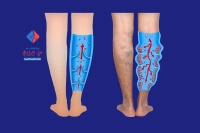
Vascular surgery techniques vary greatly, allowing Dr. Ali El-Baradei to choose the appropriate procedure for each individual case. The choice of surgery depends on several factors, including:
The patient's condition: age, general health, and the presence of other chronic diseases.
The location of the injury: Is the injury in the arteries or veins? And in which part of the body?
The size and nature of the injury: Is the artery completely blocked or partially narrowed?
Techniques available at the medical center: Are the latest devices and equipment available?
Open vascular surgery is the traditional method for treating vascular problems. It involves making a large surgical incision in the affected area to access the blood vessel and repair it directly. This may require removing the damaged portion of the blood vessel and replacing it with a synthetic piece or using blood vessels from other areas of the body.
Open Vascular Surgery (Conventional Surgery):
Advantages:
Flexibility allows for a wide range of complex repairs, including tumor removal, aneurysm repair, and resection of damaged portions of the blood vessel.
Accuracy: The surgeon can directly see the target area and perform repairs with high precision.
Effectiveness: Open surgery is highly effective in treating many vascular problems.
Disadvantages:
Large scar: Open surgery leaves a long, visible scar at the incision site.
Long recovery: Recovery from open surgery takes longer than other techniques, and may take several weeks.
Greater pain: Patients experience more pain after open surgery than with minimally invasive surgery.
Higher risks: Open surgery increases the risk of complications such as bleeding, infection, and blood clots.
General anesthesia: Open surgery usually requires general anesthesia, which can increase the risks of surgery.
Open vascular surgery is typically used in cases requiring repairs. Widespread vascular surgery, such as severe trauma injuries, large hemangiomas requiring extensive removal, and complex aortic aneurysms requiring multiple repairs, is also used in cases where less invasive treatments have failed to improve the patient's health. While it is effective in treating many vascular problems, technological advances have made less invasive surgical options available, such as laparoscopic and interventional surgery, which feature shorter recovery times and smaller scars.
Endoscopic Vascular Surgery
Endoscopic vascular surgery is one of the latest techniques used in vascular surgery and has achieved a quantum leap in this medical field. This technique has several advantages that make it a preferred choice for many patients and physicians.
Description:
In endoscopic vascular surgery, the surgeon uses small surgical instruments with a high-resolution video camera inserted through very small incisions in the skin. The image transmitted by the camera is magnified on a large screen, allowing the surgeon to see the targeted area clearly and precisely. Using these instruments, the surgeon performs the necessary repairs through small incisions, without the need for a large surgical incision.
See also: Why is a foot artery bypass surgery necessary?
Advantages:
Reduced pain: Due to the small size of the incisions, the patient experiences significantly less pain after surgery compared to open surgery.
Reduced blood loss: The small size of the incisions reduces bleeding during surgery, reducing the need for blood transfusions.
Speed recovery: The small wounds resulting from endoscopic surgery heal more quickly, allowing the patient to return to daily activities in a shorter time.
Small scars: Endoscopic surgery leaves very small scars, making it a cosmetically attractive option.
Shorter hospital stay: In many cases, the patient can leave the hospital on the same day of surgery or the next day.
Fewer risks: Endoscopic surgery reduces the risk of complications such as infection and blood clots.
Disadvantages:
Not suitable for all cases: Despite its many advantages, endoscopic surgery may not be suitable for all cases. Some complex or extensive cases may require open surgery.
Higher cost: The cost of laparoscopic surgery may be slightly higher than open surgery due to the use of advanced technology and specialized instruments.
Interventional Vascular Surgery
Interventional vascular surgery, also known as balloon angioplasty, is one of the latest medical techniques for treating vascular diseases. This technique is less invasive than traditional surgeries, making it an attractive option for many patients.
In interventional surgery, a thin, flexible catheter is inserted through an artery in the armpit or groin, guided by X-rays to the site of the narrowing or blockage in the artery.
A small balloon at the end of the catheter is inflated to widen the blocked artery. A small stent made of metal mesh is then implanted to keep the artery open and prevent it from narrowing again.