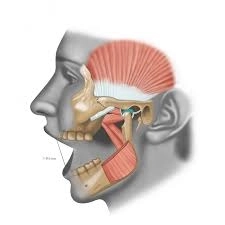
Temporomandibular joint (TMJ) disorders are medical conditions that affect jaw movement and a person’s ability to chew and speak normally. Dr. Islam Qassem confirms that early diagnosis and careful follow-up are the main factors in treating these disorders and improving patients’ quality of life.
What Are Temporomandibular Joint (TMJ) Disorders?
TMJ disorders are a group of problems affecting the temporomandibular joint, which connects the lower jaw to the skull.
Common symptoms include jaw or facial pain, headaches, clicking sounds, or difficulty opening and closing the mouth.
Dr. Islam Qassem emphasizes that understanding the nature of these disorders helps in choosing the most appropriate treatment for each case.
Causes of TMJ Disorders
Jaw muscle strain or tension due to teeth grinding or psychological stress.
Problems in the joint itself or surrounding cartilage.
Direct injuries to the jaw or head.
Joint diseases such as rheumatoid arthritis.
Dr. Islam Qassem confirms that identifying the exact cause is essential to determine the correct treatment plan.
Symptoms of TMJ Disorders
Pain in the jaw, face, or around the ear.
Difficulty or pain while chewing or speaking.
Clicking or unusual sound when opening the mouth.
Headaches or pain in the neck and shoulders.
Dr. Islam Qassem emphasizes that early monitoring of these symptoms helps prevent complications and increases the chances of recovery.
Treatment Methods for TMJ Disorders
Physical therapy: Exercises to strengthen jaw muscles and improve mobility.
Medications: Pain relievers and anti-inflammatories to reduce symptoms.
Medical devices: Such as dental splints to relieve pressure on the joint.
Surgery: In severe cases or when other treatments fail.
Dr. Islam Qassem confirms that combining different treatments with continuous follow-up provides the best results for patients.
Important Tips for Prevention and Joint Health
Avoid teeth grinding and excessive psychological stress.
Eat soft foods during severe pain episodes.
Perform jaw relaxation exercises as instructed by the doctor.
Maintain proper head and jaw posture during work or sleep.
Dr. Islam Qassem emphasizes that following these preventive tips reduces symptom recurrence and preserves TMJ health.
Temporomandibular joint (TMJ) disorders are common but can be successfully treated with early diagnosis and a comprehensive treatment plan. Dr. Islam Qassem confirms that combining medical treatment, physical therapy, and preventive measures ensures improved jaw mobility, reduced pain, and enhanced quality of life for patients.