
Published on: 2026-11-26 | Written by: Hayat Al-Tefl Center for Child Rehabilitation – Baltim
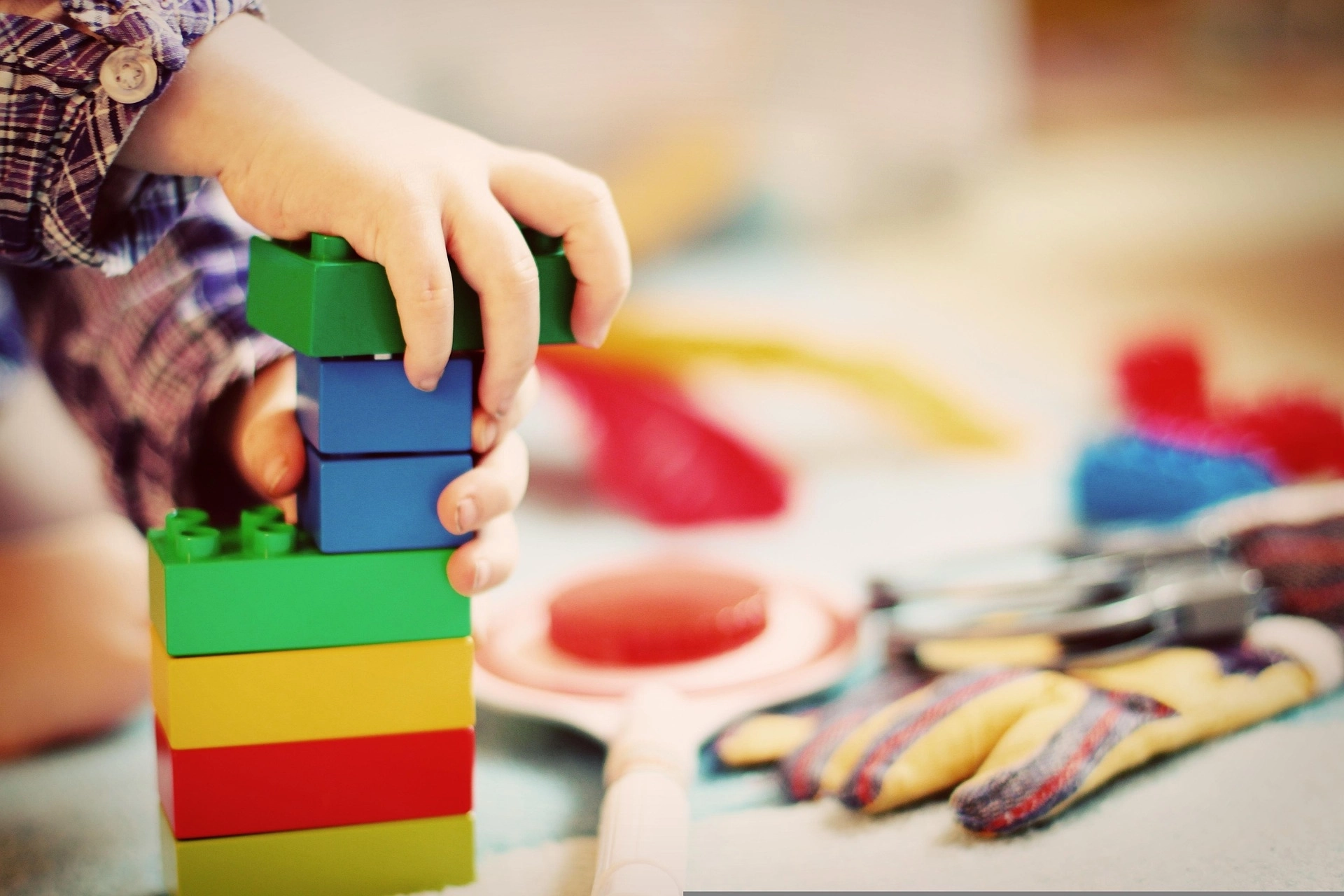
Skills development for children is one of the most important factors in building a child's personality and enhancing abilities throughout different stages of growth. It contributes to developing cognitive, perceptual, motor, language, and social skills, while helping children acquire the abilities needed for learning, communication, and interaction with others. Every child has individual needs depending on age, developmental level, and personal abilities. Therefore, specialized skills development and rehabilitation programs play an important role in supporting children's growth and helping them achieve greater independence.
Center Child Life for the Rehabilitation of Typical Children and Children with Special Needs (Center Child Life) in Baltim provides specialized skills development services through training and rehabilitation programs designed to improve different abilities and help children acquire essential daily living skills. These programs take individual differences into consideration and establish goals according to each child's developmental level and needs.
Skills development improves a child's ability to learn, acquire information, and handle everyday situations. It also contributes to building self-confidence and improving communication and social interaction. Skills development begins during the early years of childhood, as abilities gradually grow through play, exploration, and interaction with the surrounding environment. Structured training becomes particularly important when a child needs additional support in specific developmental areas.
Skills development is especially important for children experiencing developmental delays, communication difficulties, learning challenges, or behavioral difficulties, as well as children with Autism Spectrum Disorder, Down syndrome, Attention Deficit Hyperactivity Disorder (ADHD), and other disabilities. Appropriate programs help children strengthen their existing abilities and improve the skills that require continuous practice and support.
Skills development programs cover several interconnected areas. Cognitive and perceptual skills include attention, concentration, memory, visual and auditory perception, recognition, classification, and problem-solving. These abilities help children receive and understand information and apply it in learning and everyday situations.
Language and communication skills are also essential, as they help children understand speech, express their needs and thoughts, and develop verbal and non-verbal communication. Social skills include sharing, group play, taking turns, following instructions, and interacting appropriately with others.
Gross and fine motor skills play an important role in childhood development. Gross motor skills involve balance, coordination, and body control, while fine motor skills include finger movements, holding objects, drawing, coloring, and writing. Skills development also covers daily living activities such as eating, dressing, personal hygiene, and organizing everyday routines, helping children become more independent.
A child may need skills development sessions when they experience difficulty acquiring age-appropriate abilities or when parents notice delays in communication, limited attention and concentration, difficulties in social interaction, or challenges with daily activities. Additional assessment may be needed when a child struggles with fine motor activities, following instructions, expressing needs, or adapting to changes and different situations.
A difficulty in one developmental area does not necessarily indicate a specific disorder. However, professional assessment helps identify the child's developmental level, determine which skills require support, and select an appropriate individualized program.
Skills development programs begin with assessing the child's abilities, identifying suitable goals, and preparing a training plan according to age and developmental level. Sessions may include educational and interactive activities designed to improve attention, perception, communication, motor coordination, and social interaction. Exercises are introduced gradually according to the child's response and progress.
Skills development sessions may also be integrated with other services such as speech and language therapy, behavior modification, sensory integration, occupational therapy, and learning difficulties programs. This integrated approach helps address different developmental needs, particularly when a child requires support in more than one area.
Center Child Life provides specialized programs for developing cognitive, perceptual, motor, social, and daily living skills. The center focuses on identifying each child's developmental level and individual needs through appropriate assessments and evaluation tools. Individualized rehabilitation plans are then designed to support gradual development, with regular progress monitoring and adjustments according to the child's response.
The center operates under the supervision of Dr. Rehan El-Besaty, a specialist in mental health, special education, and behavior modification, and the center's director. She has more than 13 years of professional experience in special education, rehabilitation, and mental health, in addition to her academic and training experience in these fields.
Center Child Life for the Rehabilitation of Typical Children and Children with Special Needs provides 100% individual sessions, allowing direct attention to each child's needs. The center also works closely with families and guides parents on activities and exercises that can be practiced at home to reinforce acquired skills and maintain progress beyond therapy sessions.
The center also offers integrated services, including speech therapy, skills development, behavior modification, sensory integration, occupational therapy, learning difficulties support, psychological and educational assessment, and early intervention and rehabilitation programs for children with special needs.
Family participation is an important factor in the success of skills development programs. Repeating activities and exercises at home helps reinforce the abilities children acquire during sessions. Parents can support their child's development by encouraging independence in daily activities, providing opportunities for play and interaction, using simple and clear instructions, reinforcing positive behaviors, and following the specialist's recommendations while monitoring progress.
Skills development requires patience and consistency because every child progresses at a different pace. Results are often achieved through gradual improvements supported by regular practice and continuous encouragement.
Address: Baltim – Mostafa Tower – Next to Alexandria Tower.
Working Hours: Daily except Sundays and Tuesdays, from 11:00 AM to 6:00 PM.
Contact Numbers:
01026698930
01020275868