
Published on: 2026-11-25 | Written by: Dr. Shimaa Nabil Sobhi, Consultant Pediatrician
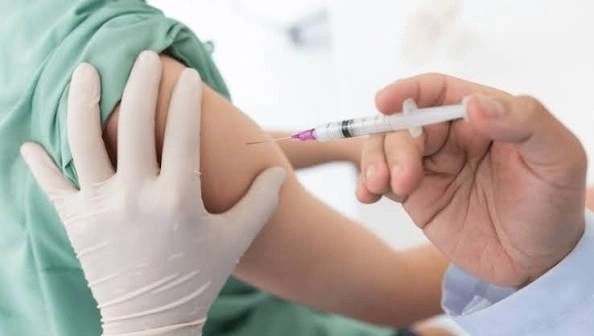
Routine and Preventive Vaccinations represent one of the greatest, most effective, and safest medical achievements in human history for protecting children and adults from serious infectious diseases and their complications. Vaccines work by stimulating the immune system to produce antibodies and immune memory cells capable of recognizing and immediately fighting off viruses and bacteria without exposing the body to the risk of contracting the disease itself. The vaccination system encompasses essential vaccines included in the national immunization schedule starting from birth, alongside additional preventive vaccines that offer broader protection against respiratory illnesses, gastrointestinal diseases, and meningitis. Following a vaccination schedule requires precise medical supervision to ensure doses are administered at their optimal times and to provide maximum protection.
Routine and preventive vaccinations aim to build a strong immune shield that protects individuals from their earliest days against severe viral and bacterial illnesses, while preventing the spread of epidemics within the community by achieving herd immunity.
Dr. Shaimaa Nabil Sobhy clarifies that adhering to the routine and preventive vaccination schedule on time represents the first line of defense in protecting a child from diseases that can cause serious complications or permanent disabilities, noting that modern vaccines undergo the highest international safety and quality standards to provide long-term immunity.
Preventing Serious Infectious Diseases: Effective protection against polio, measles, diphtheria, whooping cough (pertussis), tetanus, and viral hepatitis.
Reducing Hospitalization Rates and Complications: Lowering symptom severity and preventing acute pneumonia, meningitis, and severe gastroenteritis caused by rotavirus.
Achieving Herd Immunity: Protecting the most vulnerable groups, such as newborns and immunocompromised patients, by reducing transmission opportunities within the community.
Preventing Seasonal and Future Illnesses: Providing ongoing protection against seasonal influenza, chickenpox (varicella), and human papillomavirus (HPV).
Vaccinology and immunology technology have witnessed tremendous advancements, contributing to the production of multi-protection combination vaccines that reduce the number of injections a child receives while delivering a stronger immune response with minimal side effects.
Dr. Shaimaa Nabil Sobhy points out that major developments in hexavalent vaccines and conjugate vaccines—such as pneumococcal and meningococcal vaccines—have created a qualitative leap in protecting children from severe bacterial infections with fewer doses and greater comfort for both child and family.
Combination Vaccines (Pentavalent and Hexavalent): Combining protection against multiple diseases (diphtheria, tetanus, pertussis, polio, hepatitis B, and Haemophilus influenzae type b) into a single injection.
Conjugate Vaccines: Such as the pneumococcal conjugate vaccine (PCV) and quadrivalent meningococcal vaccine to stimulate a strong, long-lasting immune response in infants and children.
Modern Oral Vaccines: Such as the oral polio vaccine and the rotavirus vaccine, administered orally to protect infants from dehydration and acute gastroenteritis.
RNA and Recombinant Protein Vaccines: Precision technologies utilized in modern vaccines such as the Hepatitis B vaccine and the Human Papillomavirus (HPV) vaccine with the highest levels of purity and safety.
Smart Cold Chain Monitoring: Advanced storage and transport systems ensuring vaccines remain at ideal temperatures to preserve their full potency.
The vaccination process follows a structured medical protocol starting with examining the child and assessing their health status prior to vaccination, and concluding with recording the dose and monitoring any mild expected symptoms.
Dr. Shaimaa Nabil Sobhy advises parents to bring their child's vaccination record to every visit and inform the physician of any fever or previous allergic reaction to any vaccine, emphasizing that a clinical examination prior to vaccination ensures the child's safety and helps select the most appropriate timing for the dose.
Reviewing the Vaccination Schedule and Medical History: Confirming the child's age, previous doses, and the absence of temporary medical contraindications or severe allergies.
Comprehensive Clinical Examination Before Vaccination: Measuring body temperature and examining the throat, chest, and ears to ensure the child is in good health before receiving the vaccine.
Preparing and Properly Administering the Vaccine: Checking the expiration date and vaccine storage, then administering the exact dose at the appropriate anatomical site (intramuscular, subcutaneous, or oral).
Brief Observation in the Clinic Post-Vaccination: Waiting for 15 to 20 minutes to ensure no immediate allergic reaction occurs.
Documenting the Dose and Scheduling the Next Appointment: Recording the vaccine type and date in the immunization card and scheduling the next or booster dose.
Calm and proper management of mild symptoms that may appear after vaccination plays an essential role in keeping the child comfortable and reassuring the family without unwarranted anxiety.
Dr. Shaimaa Nabil Sobhy stresses that a slight rise in body temperature or mild swelling at the injection site during the first 24 to 48 hours is a normal sign that the immune system has begun responding and building antibodies, emphasizing the importance of adhering to accurate weight-based fever reducer doses and lukewarm compresses as directed by the physician.
Using Lukewarm Compresses at the Injection Site: Applying lukewarm (not ice-cold) water compresses to the injection area to relieve local redness or swelling.
Administering Prescribed Fever Reducers According to Weight: Using paracetamol or ibuprofen tailored to the child's age and weight after consulting the doctor if a fever develops.
Increasing Breastfeeding and Fluids: Replenishing fluids, soothing the child, and providing adequate rest and sleep on vaccination day.
Dressing in Light, Comfortable Cotton Clothing: Avoiding covering the child with heavy blankets when their temperature rises, and choosing loose-fitting clothes that do not press on the injection site.
Avoiding Rubbing the Injection Site or Applying Unprescribed Creams: Keeping the skin clean and allowing the injection site to heal naturally.
Do Not Delay Vaccinations Due to Mild Colds: A simple runny nose or mild sniffles without a high fever does not prevent receiving a scheduled vaccine on time.
Adhere to Booster Doses: Completing all booster doses on schedule to ensure sustained immunity for many years.
Carefully Keep Paper and Electronic Vaccination Records: Documenting all routine and additional vaccines for easy reference during school enrollment or travel.
Maintain Ongoing Follow-Ups with Your Specialist:
Dr. Shaimaa Nabil Sobhy emphasizes in her concluding guidance that routine and preventive vaccinations are the most important and safest health investment for the future of children and society as a whole, confirming that family awareness, strict adherence to dose schedules, and regular medical follow-ups are the true guarantees for raising a healthy generation immunized against infectious diseases.