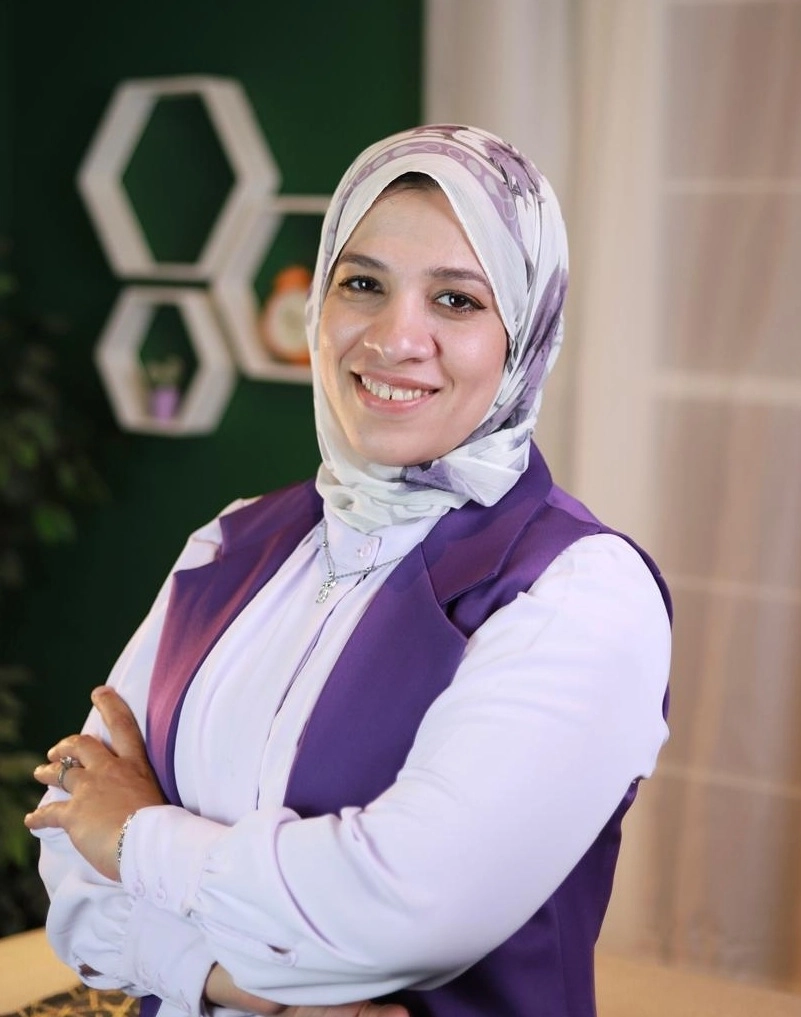

Published on: 2026-11-23 | Written by: Dr. Marwa Elsayed Abdullah, Lecturer of Plastic Surgery
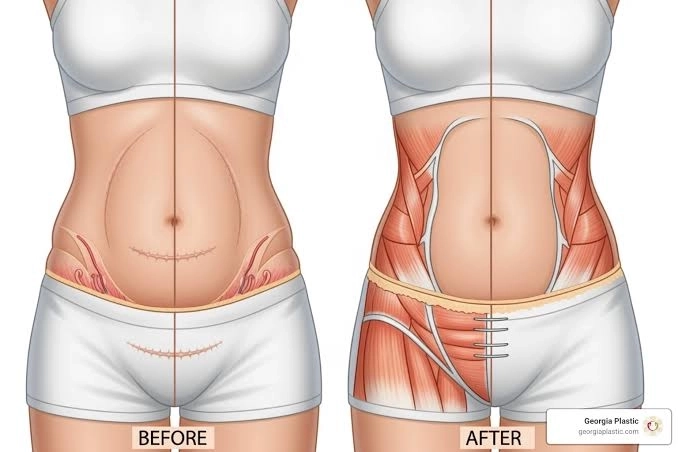
Postpartum Tummy Tuck (Abdominoplasty) represents one of the most effective and successful plastic and reconstructive procedures for restoring body contour symmetry and abdominal wall strength after repeated pregnancies and childbirth. Uterine expansion during pregnancy leads to skin laxity, muscle weakness, and separation of the rectus abdominis muscles (Diastasis Recti)—conditions that do not respond to exercise or diet alone. Abdominoplasty aims to remove excess skin and accumulated fat in the lower abdomen while repairing and tightening separated muscles to reinforce the abdominal wall from within and restore a slender waistline. These surgeries require a precise medical evaluation and appropriate timing after childbirth to ensure the highest degrees of safety and natural, harmonious results.
A postpartum tummy tuck aims to repair the anatomical and aesthetic changes that occur in the abdominal wall following pregnancy by removing skin laxity and tightening weakened abdominal muscles to improve body shape and support the spine.
Dr. Marwa El-Sayed Abdallah clarifies that a postpartum tummy tuck is not merely a cosmetic procedure to remove excess skin, but rather a functional reconstructive procedure that treats abdominal muscle separation (Diastasis Recti), which causes persistent abdominal protrusion and lower back pain, noting that strengthening the abdominal wall gives mothers a harmonious figure and high self-confidence.
Repairing Abdominal Muscle Separation (Diastasis Recti Repair): Bringing together and suturing separated rectus abdominis muscles to restore firmness and flatness to the abdominal wall.
Excising Loose Skin and Lower Stretch Marks: Removing excess skin and stretch marks located below the navel that have completely lost their elasticity.
Sculpting the Waistline and Defining Abdominal Contours: Eliminating stubborn localized fat deposits in the abdomen and flanks to achieve smooth harmony with the rest of the body.
Relieving Lower Back Pain and Improving Posture: Supporting the core muscles of the trunk, thereby reducing mechanical strain on the lower lumbar vertebrae.
Abdominoplasty surgeries have witnessed major technological advancements allowing the integration of high-definition liposculpture with surgical tightening, minimizing post-operative pain, and concealing the incision scar along a very low line on the lower abdomen.
Dr. Marwa El-Sayed Abdallah points out that relying on VASER Liposuction techniques alongside surgical tightening and long-acting local anesthesia (TAP Block) enables ultra-precise waist sculpting, reduces post-surgical discomfort, and accelerates the return to normal mobility.
Full Abdominoplasty with Muscle Repair: A comprehensive procedure to tighten the entire upper and lower abdominal wall, repair muscle separation, and reshape the navel with a natural appearance.
Mini Abdominoplasty: A specialized technique for cases experiencing mild laxity limited strictly to the area below the navel, featuring a smaller incision and faster recovery time.
Combining with VASER Body Sculpting (Lipoabdominoplasty): Using ultrasound waves to emulsify fat in the waist and flanks and define abdominal lines before tightening the skin.
Drainless Tummy Tuck Technique: Utilizing advanced progressive tension internal sutures that secure the skin to the muscles and prevent fluid accumulation without needing surgical drains in many cases.
Advanced Pain Control (TAP Block): Injecting a long-acting local anesthetic into the abdominal wall to provide complete comfort for the patient during the first hours and days post-surgery.
Postpartum abdominoplasty surgeries follow a strict medical protocol starting with selecting the ideal timing after delivery and weight stabilization, and concluding with wearing a specialized medical compression garment to support the tissues.
Dr. Marwa El-Sayed Abdallah advises waiting at least 6 months after natural or cesarean delivery, completing breastfeeding, and achieving weight stability before undergoing the procedure, emphasizing that proper planning and smoking cessation prior to surgery ensure optimal wound healing.
Clinical Evaluation and Assessing Skin Laxity and Muscle Separation: Examining skin elasticity, localized fat volume, and the degree of muscle separation to determine the appropriate type of abdominoplasty.
Precise Surgical Planning and Marking Incision Lines: Positioning the low incision line so that it remains completely hidden beneath underwear or swimwear.
Safe Anesthesia and Initial Sculpting: Administering appropriate anesthesia and beginning with fat liposuction and sculpting in the waist and flanks if required by the surgical plan.
Reinforcing Abdominal Muscles and Excising Excess Skin: Accurately suturing and approximating separated muscles, then tightening and removing excess skin and aesthetically reshaping the navel.
Cosmetic Incision Closure and Applying the Compression Garment: Using absorbable cosmetic sutures and placing the supportive medical compression garment immediately upon completing the surgery.
Adhering to home care instructions during the first weeks post-surgery plays a pivotal role in speedy recovery, protecting tightened muscles, and achieving a thin, inconspicuous scar line.
Dr. Marwa El-Sayed Abdallah stresses that early light walking indoors starting from the first day, strictly wearing the medical compression garment, and avoiding lifting heavy weights or children during the initial weeks represent the fundamental rules for a safe and successful recovery.
Committing to Wearing the Medical Compression Garment: Wearing the garment consistently for the duration specified by the physician (typically 4 to 6 weeks) to minimize swelling and support muscles and skin.
Early Light Walking and Sleeping in a Comfortable Position: Engaging in gentle movement to stimulate blood circulation, while keeping the knees bent and upper back slightly elevated during sleep for the first few days to relieve tension on the incision.
Avoiding Lifting Heavy Objects or Strenuous Exertion: Refraining from carrying children, lifting heavy weights, or performing abdominal exercises for at least 6 weeks until muscles heal completely.
Wound Care and Using Scar Creams: Keeping surgical dressings clean and dry, followed by applying prescribed silicone creams once the wound heals to improve scar appearance.
Maintaining Healthy Nutrition and Drinking Plenty of Water: Consuming proteins and vitamins to accelerate tissue healing and maintain ideal body weight.
Plan the Surgery After Completing Family Planning or Stabilizing Weight: To ensure preserving muscle and skin tightening results for many years without new stretching.
Completely Abstain from Smoking at Least Two Weeks Before and After Surgery: Smoking negatively affects blood perfusion to the skin and delays wound healing.
Exercise Patience Until Swelling Subsides and Final Results Appear: Major improvement is visible immediately, while the abdomen takes its final sculpted shape within 3 to 6 months after swelling fully resolves.
Maintain Ongoing Follow-Ups with Your Specialist:
Dr. Marwa El-Sayed Abdallah emphasizes in her concluding guidance that postpartum tummy tuck surgery gives women a true opportunity to restore their figure and muscular strength after the journey of motherhood, confirming that choosing the right timing, strictly following recovery instructions, and adopting a healthy lifestyle are the true guarantees for an aesthetic and functional outcome that lasts a lifetime.