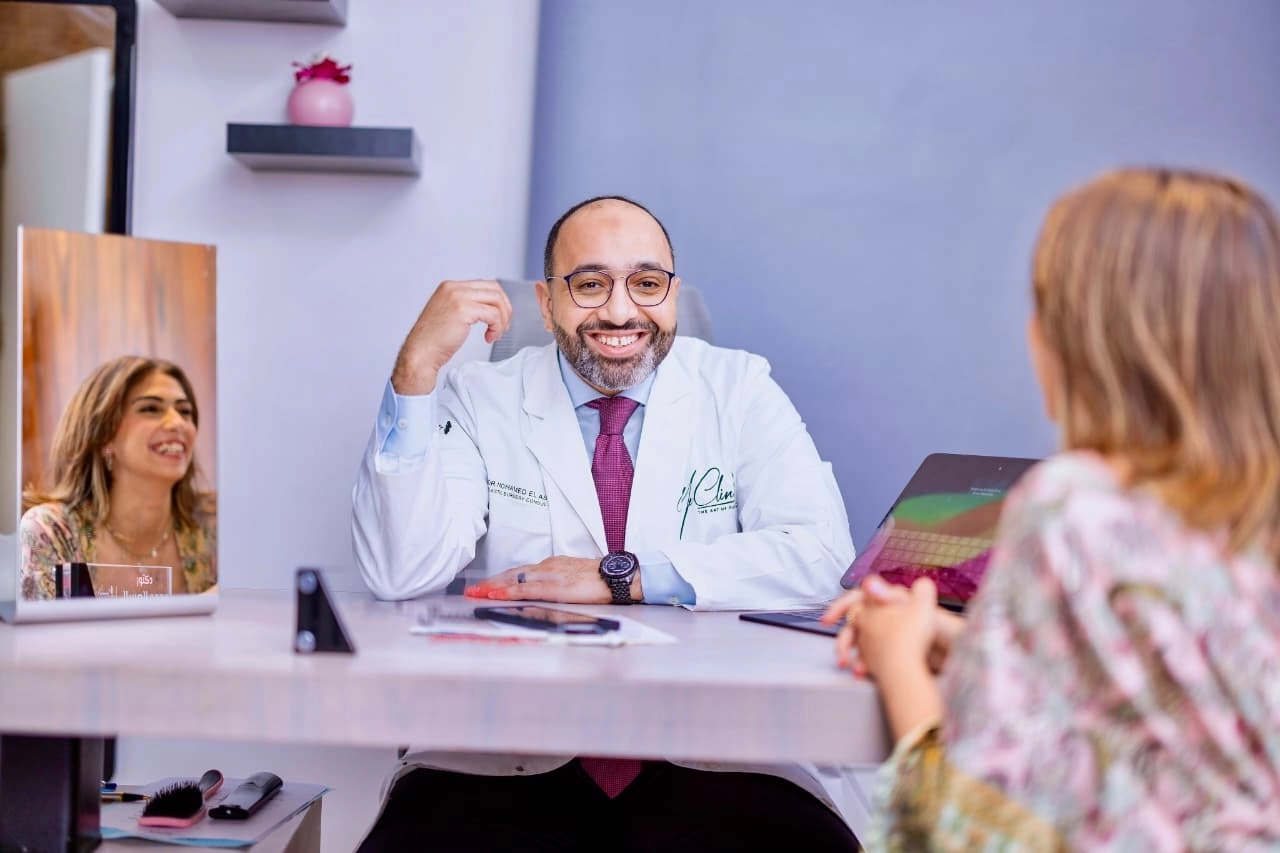

Published on: 2026-11-22 | Written by: Dr. Mohamed El-Assal, Consultant in Plastic Surgery
Liposuction and Body Contouring are among the most sought-after and effective cosmetic procedures for eliminating stubborn localized fat deposits that do not respond to strict diets or exercise. With significant advancements in plastic surgery techniques, the goal is no longer limited to weight or volume reduction alone; focus has shifted toward reshaping body curves and highlighting the aesthetic details of muscles with extreme precision.
Dr. Mohamed El-Assal, Consultant of Plastic Surgery, is one of the specialized experts in body contouring and high-definition liposuction procedures, applying the latest international medical protocols to achieve a harmonious figure and natural appearance with the highest levels of safety.
Although the two terms are closely related, there is a fundamental difference in the goal and technique used:
Liposuction: A surgical procedure aimed at removing accumulated fat from specific areas of the body (such as the abdomen, flanks, buttocks, arms, or thighs) to reduce the size of the area and improve overall proportion.
Body Contouring and High-Definition Liposuction: A more advanced and precise technique; the surgeon does not merely remove deep fat, but sculpts the superficial layer of fat surrounding the muscles to highlight aesthetic muscle lines (such as toned abdominal muscles or waistline curves), giving the body an athletic, firm appearance.
Body contouring procedures can be applied to multiple areas of the body in a single session or in stages depending on the doctor's assessment:
Abdomen and Flanks: To remove accumulated fat and highlight waistline curves or abdominal muscles.
Back and Arms: To eliminate fatty sagging in the upper or lower back and contour arm circumference.
Thighs and Buttocks: To achieve harmony between the upper and lower body.
Chest Area (Gynecomastia Treatment in Men): Removing excess fat and glandular tissue to restore a firm, masculine appearance.
Reusing Fat (Autologous Fat Grafting): Extracted fat can be processed and reinjected into other areas needing volume, such as buttock augmentation or the face, for a dual, ideal result.
Dr. Mohamed El-Assal emphasizes that liposuction is not a method for overall weight loss or treating severe obesity, but rather a body contouring procedure. Ideal criteria for candidates include:
Having a weight close to ideal or suffering only from localized fat.
Enjoying good general health and having no uncontrolled chronic diseases.
Having skin with a good degree of elasticity to ensure skin contraction and adaptation to the new shape after fat removal (if severe skin laxity is present, the doctor may recommend combining the procedure with abdominoplasty or body lift).
Having realistic expectations about surgical results and committing to a healthy lifestyle afterward.
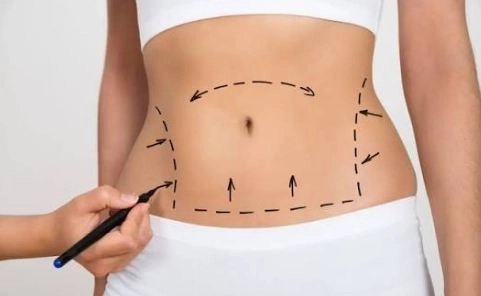
Accurate Evaluation and Planning: Dr. Mohamed El-Assal examines fat distribution and skin elasticity, and draws marking lines on the body before surgery to ensure complete precision during sculpting.
Anesthesia: The procedure is performed under general anesthesia or local anesthesia with sedation, depending on the surface area of targeted regions and the amount of fat.
Fat Emulsification and Suction: Through very small surgical incisions (no more than a few millimeters and hidden in skin creases), specialized medical fluids are injected to reduce bleeding and facilitate fat breakdown, followed by precise sculpting techniques to suction fat and shape the figure.
Closing Incisions and Wearing a Compression Garment: Tiny incisions are closed with cosmetic stitches, and a medical compression garment (corset) is worn immediately after surgery.
To achieve the best result and minimize downtime, it is recommended to follow medical instructions carefully:
Wearing the Compression Garment: Committing to wearing the medical corset for 4 to 6 weeks to help reduce swelling, prevent fluid accumulation, and help the skin adhere firmly to underlying tissues.
Early Movement: Light walking is recommended starting the day after surgery to stimulate blood circulation and prevent clots, while avoiding strenuous exertion for 2 to 4 weeks.
Lymphatic Drainage Sessions: The doctor may recommend light lymphatic massage sessions after surgery to speed up the resolution of swelling and bruising.
Results: A large part of the change is visible right after surgery, and the result improves gradually as swelling subsides over the first few weeks, with the full final result appearing within 3 to 6 months.
Maintaining Results: Removed fat cells do not return, but maintaining weight stability through balanced nutrition and exercise ensures lasting body harmony for life.