
Published on: 2026-11-22 | Written by: Dr. Mohamed El-Assal, Consultant in Plastic Surgery
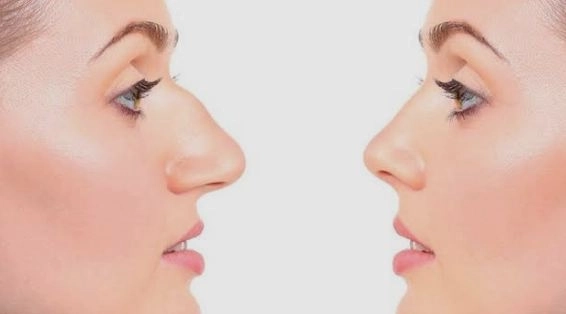
Rhinoplasty is one of the most precise and popular cosmetic and reconstructive surgeries worldwide, given the nose's central position on the face and its direct impact on facial harmony, in addition to its vital role in breathing. With major medical advancements in plastic surgery, the procedure is no longer limited to mere size reduction; it now aims to achieve natural harmony between the nose and other facial features while preserving or improving respiratory function.
Dr. Mohamed El-Assal, Consultant of Plastic Surgery, is a specialist in performing advanced rhinoplasty surgeries in Egypt, relying on the latest precise surgical techniques to meet the needs of each case individually.
Rhinoplasty is a surgical procedure aimed at reshaping the bony and cartilaginous structure of the nose, either for cosmetic purposes to improve external appearance, or for functional purposes to treat breathing difficulties caused by a deviated nasal septum, enlarged turbinates, or congenital and acquired deformities following accidents.
Nasal surgery techniques vary depending on the patient's condition, tissue nature, and the goal of the surgery. The main types available with Dr. Mohamed El-Assal include:
Performed for individuals undergoing nasal surgery for the first time.
Aims to modify the size of the nose, remove a nasal hump (prominent nasal bone), refine the nasal tip, or narrow the nostrils to suit facial proportions.
Considered one of the latest global trends in plastic surgery.
Relies on preserving the nose's natural supports, cartilage, ligaments, and soft tissues as much as possible without breaking bones or removing large parts of cartilage.
This type is characterized by faster recovery, reduced post-operative swelling and bruising, and a very natural appearance that maintains the smooth contour of the nasal bridge.
Takes into account the distinct anatomical and genetic characteristics of each ethnicity or geographic region (such as skin thickness, weak cartilage, or a wide nasal base).
Through this technique, Dr. Mohamed El-Assal aims to refine and define the nose while preserving the natural identity of facial features without altering them artificially.
Also known as secondary rhinoplasty, it is performed to correct cosmetic or functional issues resulting from a previous rhinoplasty that did not achieve the desired result.
This surgery requires superior experience and skill due to the presence of scar tissue or cartilage deficiency, and may sometimes require the use of natural cartilage grafts to accurately rebuild nasal supports.
Rhinoplasty is suitable for individuals who enjoy good general health, have completed facial bone growth, and suffer from any of the following issues:
Disproportionate nose size relative to other facial features.
Presence of a noticeable bump or curve on the nasal bridge.
A large or drooping nasal tip, especially when smiling.
Wide or asymmetrical nostrils.
A crooked nose or deviated nasal septum affecting breathing quality.
A desire to repair unsatisfactory results from a previous surgery.
Consultation and Accurate Assessment: Dr. Mohamed El-Assal examines the internal and external anatomical structure of the nose, assesses skin thickness, and discusses realistic expectations with the patient to develop a customized surgical plan.
Medical Tests: Conducting necessary medical lab tests to ensure the patient is ready for anesthesia and surgery.
Performing the Surgery: The procedure is usually performed under general anesthesia and takes between one to three hours depending on the complexity of the case (whether primary or revision surgery).
Splint Placement: At the end of the procedure, a light external splint is placed to protect the nose and maintain its new shape during the first few days.
To ensure the best result and avoid any complications, it is recommended to follow medical instructions carefully:
First Week: The splint and surgical stitches (if any) are removed within 7 to 10 days, and bruising and swelling around the eyes begin to fade gradually.
Sleeping Position: It is preferable to sleep with the head elevated using two pillows during the first few weeks to reduce swelling.
Avoiding Physical Exertion: Stay away from strenuous exercise or heavy lifting for 4 to 6 weeks.
Protecting the Nose: Avoid wearing heavy prescription glasses or sunglasses directly on the nasal bridge, and avoid impact or prolonged direct sun exposure.
Final Result Appearance: Noticeable improvement in nose shape appears after initial swelling subsides during the first few weeks, while the exact final shape of the nose settles completely within 6 months to a year.