Published on: 2026-11-19 | Written by: Dr Akram Mohamed Fayed Internal Medicine
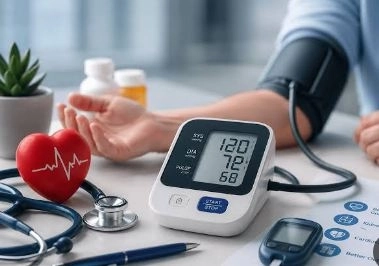
The combination of diabetes and high blood pressure poses a dual medical challenge medically known as the "silent duo," where each multiplies the harmful effect of the other on small and large blood vessels throughout the body. Prof. Dr. Akram Mohamed Fayed, Consultant of Internal Medicine and Professor of Critical Care Medicine at the Faculty of Medicine, Alexandria University, emphasizes that early control and precise treatment of diabetes and blood pressure complications are not limited only to lowering numbers in lab tests and measuring devices, but primarily aim to protect vital organs such as the heart, kidneys, brain, nerves, and retina, and prevent reaching critical stages requiring intensive care.
Over time, high blood sugar levels damage the inner lining of blood vessels and cause them to lose their natural elasticity, while high blood pressure exerts excessive mechanical pushing force on the walls of these already weakened arteries.
This pathological synergy leads to:
Accelerating the process of atherosclerosis and narrowing of the arteries.
Poor blood perfusion and oxygen reaching vital organs.
Increasing the likelihood of blood clots forming in the heart, brain, and extremities.
Accelerating the deterioration of filtration functions in the kidneys and the tiny capillaries of the retina.
Prof. Dr. Akram Mohamed Fayed relies in his clinic on a targeted therapeutic strategy aimed at each affected organ with high precision to prevent worsening damage and restore the stability of vital functions:
The kidneys are among the most sensitive organs to high blood sugar and high blood pressure, as elevated pressure inside the kidney glomeruli leads to protein leakage (albumin) in the urine and a gradual decline in filtration efficiency.
Treatment and Prevention Protocol:
Using modern medication classes that protect the kidneys and reduce urinary albumin (such as ACE inhibitors or Angiotensin II Receptor Blockers [ARBs], in addition to modern SGLT2 inhibitors that have proven high efficiency in protecting the kidneys and heart).
Strict control of cumulative blood sugar (HbA1c) and blood pressure within safe targets.
Avoiding random painkillers and medications that harm kidney functions, and regulating the diet by reducing sodium and excess protein according to the kidney stage.
The combination of diabetes and high blood pressure increases the risk of coronary artery insufficiency, heart muscle hypertrophy, heart failure, and silent angina (which may occur without clear pain due to nerve damage in diabetic patients).
Treatment and Prevention Protocol:
Controlling blood lipids and harmful cholesterol (LDL) using statin medications in carefully calculated preventive and therapeutic doses.
Selecting blood pressure and diabetes medications with dual benefits to protect the heart muscle and reduce fluid retention.
Using antiplatelet agents (such as low-dose aspirin) in medically indicated cases to prevent clots.
Periodic follow-up with electrocardiograms (ECG) and echocardiograms (Echo) to detect any early weakness in the heart muscle.
Chronic high blood sugar and poor blood perfusion resulting from high blood pressure lead to nerve fiber damage, causing numbness, burning, and tingling in the hands and feet, or loss of sensation to pain and temperature, in addition to digestive disorders and blood pressure fluctuations upon standing.
Treatment and Prevention Protocol:
Stable control of daily blood sugar fluctuations and preventing sharp spikes.
Prescribing dedicated medications to relieve nerve pain and improve nerve conduction under medical supervision.
Compensating for deficiencies in essential nerve vitamins (especially vitamin B12, which may decrease with certain diabetes medications).
Daily foot care and continuous examination to prevent diabetic foot and deep ulcers.
High blood sugar and blood pressure cause damage and bleeding in the tiny capillaries nourishing the retina of the eye, and the condition may progress without clear visual symptoms in the early stages.
Treatment and Prevention Protocol:
Precise control of blood pressure and blood sugar to stop bleeding and swelling of the capillaries.
Coordinating with an ophthalmologist to perform periodic fundus examinations and early intervention with laser or therapeutic injections when needed to preserve visual acuity.
Chronic changes in brain arteries resulting from high blood pressure and diabetes increase the likelihood of strokes or chronic insufficiency in cerebral perfusion.
Treatment and Prevention Protocol:
Maintaining blood pressure stability around the clock (24 hours) and preventing sudden spikes in blood pressure.
Controlling associated risk factors such as high triglycerides, cholesterol, and smoking.
Prof. Dr. Akram Mohamed Fayed, by virtue of his experience as a Professor of Critical Care Medicine, points out that neglecting the treatment of diabetes and high blood pressure can lead to acute, life-threatening medical crises requiring immediate emergency room visits or admission to the Intensive Care Unit (ICU), most notably:
Diabetic Ketoacidosis (DKA) or Hyperosmolar Hyperglycemic State (HHS): Occurs as a result of a severe and sudden rise in blood sugar accompanied by acute dehydration and blood electrolyte disturbances, presenting as extreme thirst, continuous urination, vomiting, abdominal pain, rapid breathing, and confusion in consciousness.
Severe Hypoglycemia Episodes: Resulting from excessive doses of insulin or diabetes medications or skipping meals, causing cold sweats, tremors, severe dizziness, and potentially leading to loss of consciousness and seizures.
Hypertensive Crisis: When blood pressure rises very sharply (such as exceeding 180/120 mmHg) accompanied by a severe headache, blurred vision, chest pain, shortness of breath, or sudden weakness on one side of the body.
Severe Bacterial Infections: Uncontrolled diabetes weakens the body's immunity, causing pneumonia, urinary tract infections, or foot infections to rapidly progress into acute sepsis if not treated early.
Success in controlling complications of diabetes and high blood pressure depends on a comprehensive plan tailored specifically to each patient according to their health status, age, and organ functions:
Comprehensive Evaluation and Periodic Checkups:
Measuring cumulative blood sugar (HbA1c) every 3 months.
Monitoring kidney functions (creatinine and estimated glomerular filtration rate [eGFR]) and microalbuminuria urine tests.
Checking full lipid profile, liver functions, and blood electrolytes (sodium and potassium).
Regular monitoring of blood pressure readings at home and in the clinic.
Updating the Medication Protocol: Selecting the latest internationally approved treatments that combine blood sugar and blood pressure control with direct protection for the heart and kidneys, while accurately reviewing drug interactions.
Lifestyle Modification and Therapeutic Nutrition:
Following a balanced diet low in salt, simple sugars, and saturated fats, and rich in fiber and vegetables.
Engaging in regular physical activity suitable for the condition of the heart and joints.
Maintaining a healthy weight, completely quitting smoking, and avoiding constant stress and lack of sleep.
1. What is the safe target for blood pressure and cumulative blood sugar (HbA1c) to prevent complications? In most adult cases, the target is to keep blood pressure below 130/80 mmHg and cumulative blood sugar (HbA1c) below 7%. The doctor may adjust these numbers to be more flexible for the elderly or those suffering from recurrent hypoglycemic episodes to ensure their safety.
2. Can blood pressure or diabetes medications be stopped once readings improve and stabilize? No, stable readings are evidence of treatment success rather than a complete cure; stopping medications without consulting a doctor leads to a return of elevated levels and accelerates damage to the kidneys, heart, and blood vessels.
3. How do I know if diabetes or high blood pressure has started affecting the kidneys in its early stages? Clear symptoms often do not appear in the early stages; therefore, performing periodic microalbuminuria tests and kidney function tests is the most accurate way to detect early effects and treat them before kidney failure occurs.
4. Why does the doctor prescribe specific blood pressure medications for a diabetic patient even if their blood pressure is only slightly elevated? Because certain classes of blood pressure medications (such as ACE inhibitors or ARBs) provide direct protection to the tiny blood vessels inside the kidneys and prevent protein leakage in the urine, protecting the kidneys from deterioration in the long term.
5. What are the warning signs that require an immediate emergency room visit for a patient with diabetes and high blood pressure? Warning signs include: chest pain or heaviness, sudden shortness of breath, sudden severe headache with blurred vision, numbness or weakness in the face or extremities, persistent vomiting, or severely high blood sugar or blood pressure that does not respond to usual treatment.
6. Do common painkillers affect patients with diabetes and high blood pressure? Yes, excessive intake of non-steroidal anti-inflammatory drugs (NSAIDs) can cause elevated blood pressure, fluid retention, and acute deterioration in kidney functions, so a doctor must be consulted before taking any painkiller.