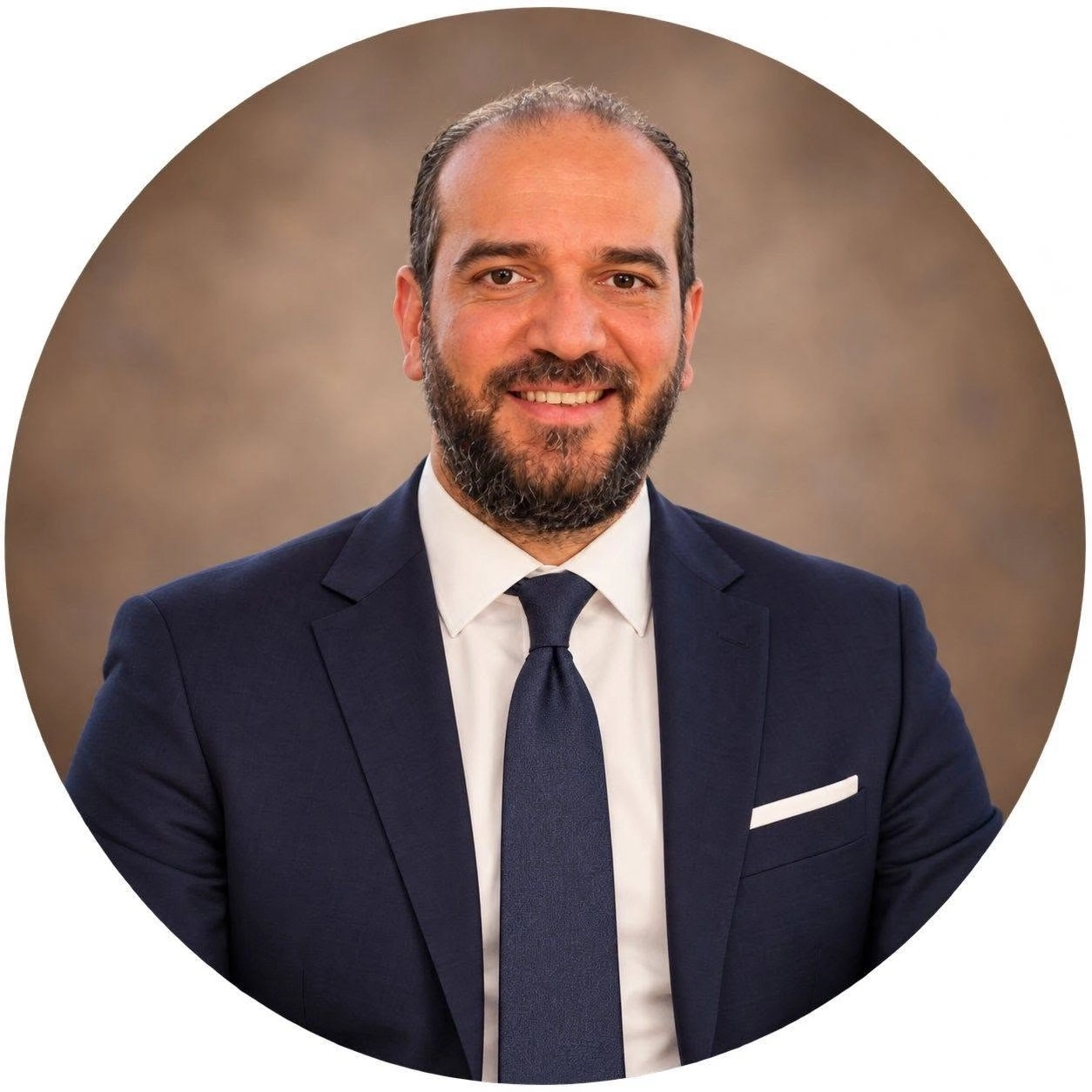
Published on: 2026-11-18 | Written by: Dr Jacqueline Girgis Kamel Therapeutic Nutrition

Clinical Nutrition represents a vital and precise medical specialty that bridges nutritional science and therapeutic medicine. It aims to assess patients' nutritional status and design tailored medical nutritional interventions to support recovery from acute and chronic diseases while enhancing the body's response to pharmacological and surgical treatments. The scope of clinical nutrition encompasses nutritional care for oncology patients, kidney and liver disease patients, intensive care unit (ICU) cases, patients with diabetes and metabolic disorders, as well as cases of malabsorption and pathological weight loss. Practicing clinical nutrition requires extreme scientific precision and specialized medical supervision to prevent malnutrition complications and accelerate the pace of recovery.
Clinical nutrition aims to prevent and treat disease-related malnutrition, preserve muscle mass and vital organ functions, and improve the patient's immune system efficiency throughout various treatment stages or convalescence periods.
Dr. Jacqueline Gerges clarifies that clinical nutrition is an integral part of any patient's comprehensive treatment plan, noting that timely and proper nutritional support reduces hospital stays, accelerates wound healing, and increases the patient's ability to tolerate intensive treatments efficiently and safely.
Preventing Catabolic Malnutrition: Protecting critically ill and chronically ill patients from muscle wasting and dangerous weight loss.
Supporting Surgical and Intensive Care Patients: Nutritionally preparing the body prior to major surgeries and accelerating recovery and tissue healing afterward.
Managing Therapeutic Nutrition for Metabolic and Chronic Diseases: Regulating blood sugar, electrolytes, proteins, and fluid levels for patients with renal failure, liver cirrhosis, and heart failure.
Improving Quality of Life for Oncology and Immunocompromised Patients: Alleviating side effects of chemotherapy and radiation—such as loss of appetite and nausea—while maintaining bodily strength.
The science of clinical nutrition has witnessed tremendous medical advancement relying on devices that accurately measure metabolic requirements, specialized medical supplements, and ultra-safe enteral and parenteral nutrition systems.
Dr. Jacqueline Gerges points out that using indirect calorimetry devices and advanced body composition analysis allows for calculating the patient's exact actual requirement of calories and proteins, thereby preventing the risks of overfeeding or severe underfeeding.
Enteral and Tube Nutrition: Providing complete medical nutritional formulas via feeding tubes for patients unable to swallow while maintaining gastrointestinal tract function.
Total and Partial Parenteral Nutrition (TPN): Delivering essential nutrients (amino acids, glucose, lipids, and vitamins) directly intravenously in cases of intestinal absorption failure.
Oral Nutritional Supplements (ONS): High-protein or low-potassium and low-phosphorus formulas specifically designed for kidney, liver, or pressure ulcer patients.
Globally Accredited Nutritional Screening and Assessment Tools: Utilizing scales such as NRS-2002 and MUST to identify patients at risk of malnutrition immediately upon hospital or clinic admission.
Clinical nutrition plans follow a strict medical protocol that begins with a comprehensive clinical and laboratory examination and concludes with formulating a precise nutritional prescription subject to continuous adjustment according to health developments.
Dr. Jacqueline Gerges advises against delaying clinical nutritional consultation upon diagnosing any chronic illness or prior to undergoing surgeries, emphasizing that early nutritional intervention prevents general health deterioration and maintains the stability of the patient's vital indicators.
Nutritional Screening and Comprehensive Clinical Assessment: Examining signs of muscle wasting, edema (fluid retention), and unexplained weight loss over recent months.
Analyzing Laboratory and Biochemical Tests: Reviewing albumin, prealbumin, kidney and liver functions, blood electrolytes, and inflammatory markers.
Calculating Exact Calorie and Nutrient Requirements: Determining the precise amounts of protein, carbohydrates, fats, and fluids to suit vital organ functions.
Selecting the Most Suitable Route for Therapeutic Nutrition: Determining whether the patient will rely on fortified oral, enteral, or parenteral nutrition.
Daily or Periodic Monitoring and Dosage Adjustment: Tracking gastrointestinal tolerance, regulating sugar and electrolyte levels, and updating the plan as the condition improves.
Strict adherence to medical nutritional instructions at home plays a decisive role in stabilizing the patient's condition and preventing health relapses or metabolic complications.
Dr. Jacqueline Gerges stresses that adhering to specified dosages of medical supplements, precisely monitoring fluid and salt intake, and paying attention to hygiene and safe food preparation represent the primary pillars for ensuring continuous, safe recovery at home.
Strict Adherence to Prescribed Dietary Portions: Avoiding increasing or decreasing medically specified amounts of protein, potassium, or sodium for kidney and liver patients.
Dividing Meals into Small, Frequent Portions: Facilitating digestion and absorption while reducing feelings of nausea or early satiety in patients.
Applying Strict Food Safety Standards: Cooking foods thoroughly and avoiding raw or unpasteurized items to protect immunocompromised patients.
Regularly Monitoring Weight and Fluid Rates: Recording any sudden weight changes or limb swelling to notify the treating physician immediately.
Combining Therapeutic Nutrition with Light Physical Rehabilitation: Practicing simple, medically permitted exercises to stimulate muscle protein synthesis and prevent atrophy.
Never Take Any Nutritional Supplements or Herbs Without a Prescription: Some supplements may interact with therapeutic medications or place a dangerous burden on the liver and kidneys.
Commit to Taking Medical Nutritional Supplements on Schedule: Treat them as an essential part of pharmacological therapy to ensure the body receives its building requirements.
Immediately Report Any Unusual Gastrointestinal Symptoms: Such as persistent vomiting, severe diarrhea, or difficulty swallowing so the nutritional plan can be adjusted in time.
Maintain Ongoing Follow-Ups with Your Specialist:
Dr. Jacqueline Gerges emphasizes in her concluding guidance that clinical nutrition represents the scientific pillar supporting healing and recovery, confirming that the integration of pharmacological treatment with precise medical nutrition, alongside adherence to periodic follow-up guidelines, are the true guarantees for accelerating recovery and protecting the patient from complications.