
Published on: 2026-11-18 | Written by: Rania Salah Academies, Speech and Behavior

Learning Disabilities Therapy Programs represent fundamental pillars in pediatric psychiatry and special education. They aim to assist children of average or superior intelligence who face specific challenges in acquiring reading, writing, mathematical, or attention and concentration skills. Learning disabilities stem from subtle neurological differences in how the brain receives and processes information, and are not the result of negligence or a lack of mental capacity. Managing these cases requires early diagnosis and an integrated individual intervention plan to transform academic weaknesses into acquired skills that protect the child from academic frustration and build their self-confidence.
Modern learning disabilities therapy programs aim to identify the exact type of difficulty (such as dyslexia, dysgraphia, or dyscalculia) and train alternative neural pathways in the brain to enable the child to comprehend and achieve academic success efficiently and smoothly.
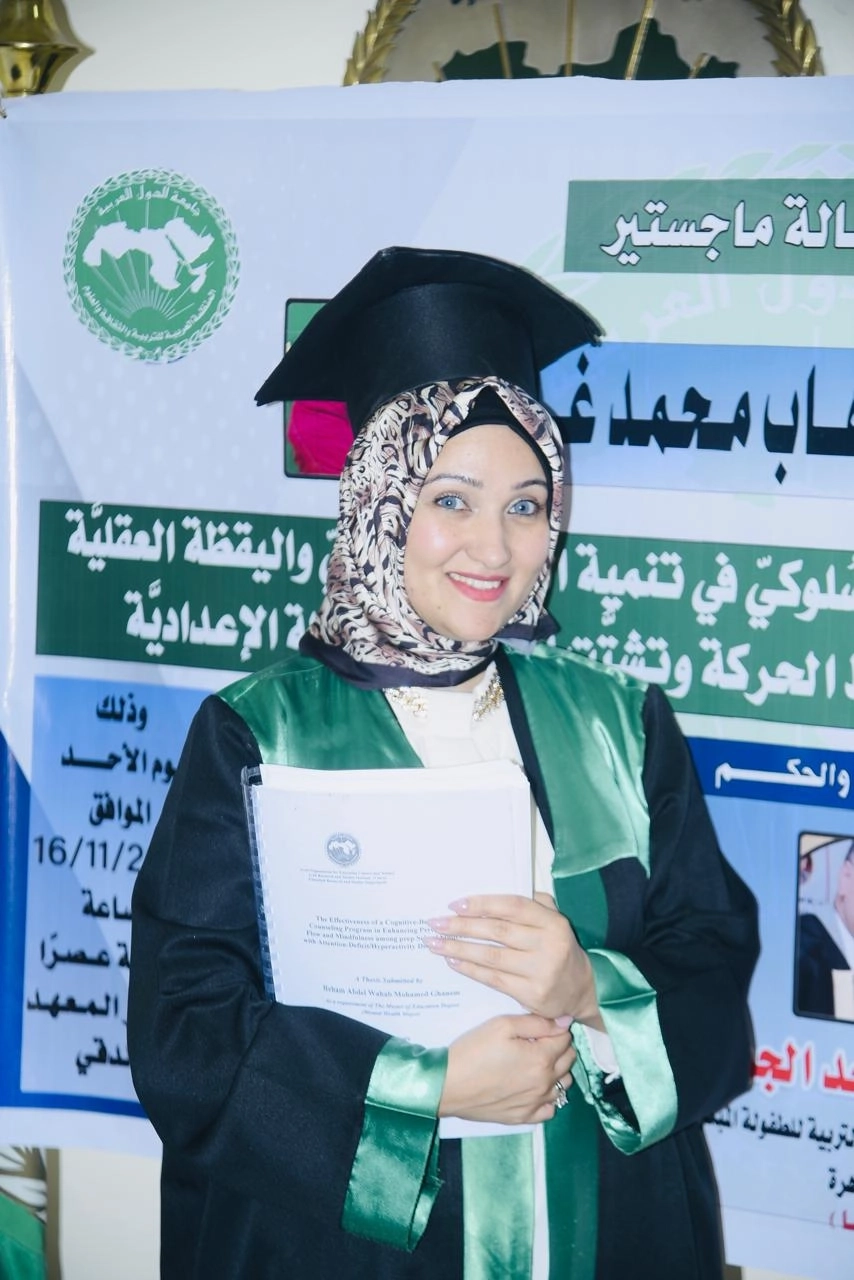
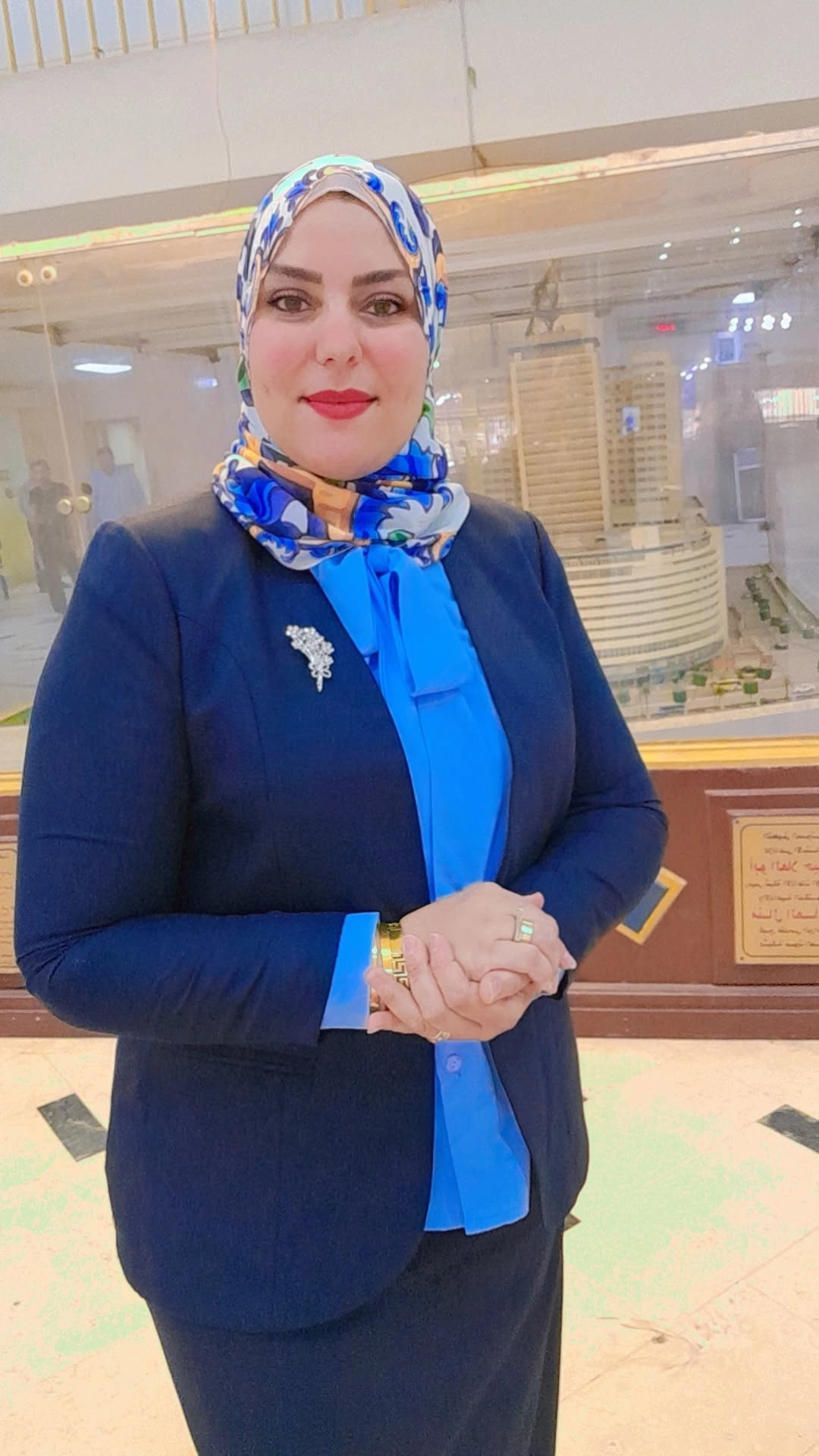
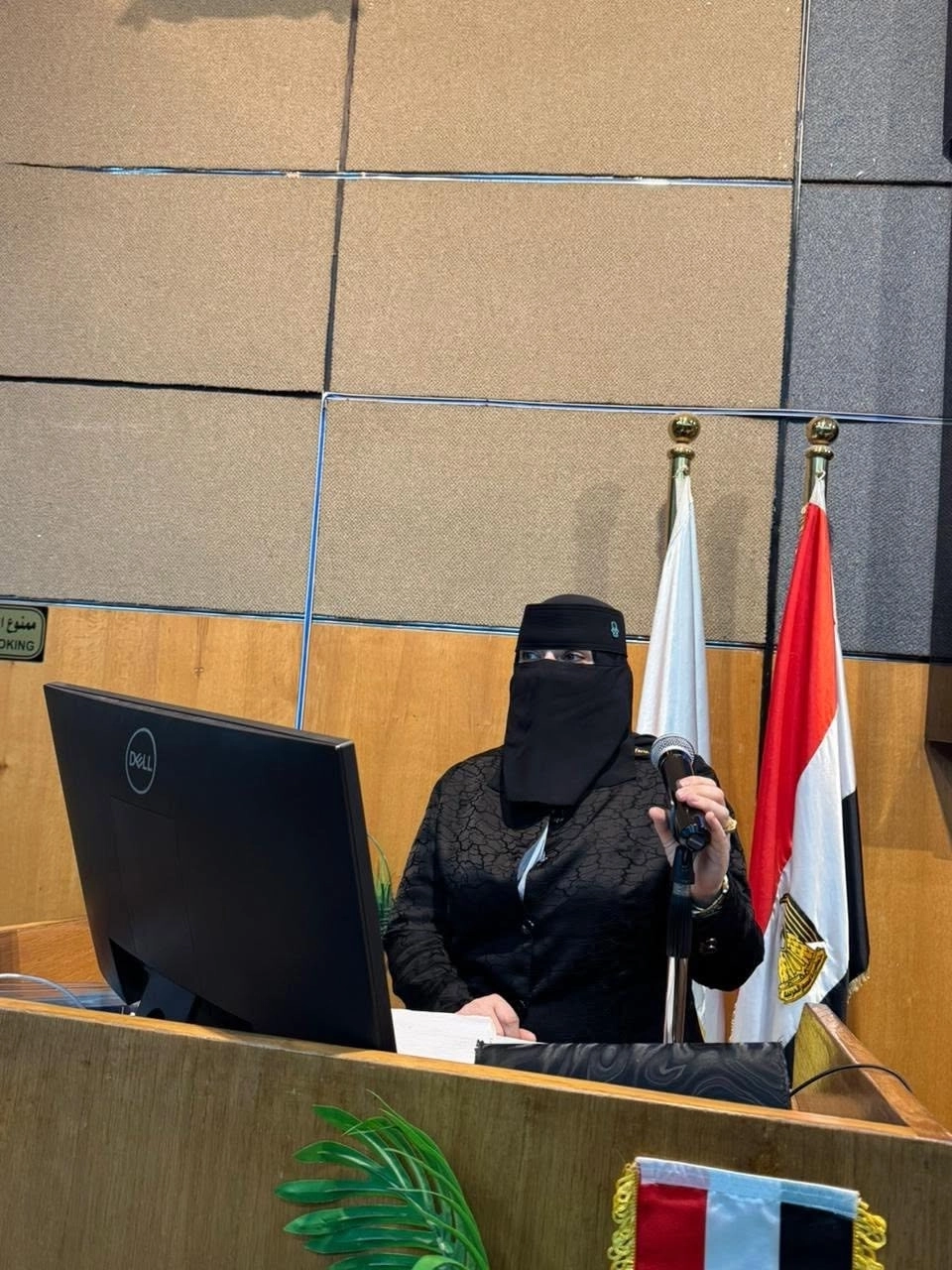
Dr. Rania Salah clarifies that early distinction between developmental and academic learning disabilities and general academic delay represents the most crucial step in treatment success, noting that a child with learning disabilities often possesses creative capabilities and exceptional intelligence that simply require an educational and rehabilitative approach suited to how their brain works.
Treating Dyslexia and Dysgraphia: Improving phonological awareness, connecting letters with their sounds, and developing visual-motor coordination to facilitate reading and spelling.
Developing Mathematical Comprehension Skills: Simplifying abstract mathematical concepts and turning them into tangible sensory experiences that are easy for the child to grasp.
Strengthening Core Cognitive Processes: Training selective attention, working memory, and the speed of visual and auditory information processing.
Protecting Mental Health and Boosting Self-Confidence: Relieving the child from feelings of academic failure or anxiety and stimulating their internal motivation to learn and achieve.
Educational and psychological rehabilitation centers have witnessed major scientific development relying on multisensory learning strategies, digital programs to train memory and attention, and globally standardized diagnostic scales.
Dr. Rania Salah points out that relying on multisensory learning methodologies (visual, auditory, and kinesthetic-tactile) alongside smart cognitive games creates a genuine breakthrough in the child's ability to remember information and easily understand linguistic and mathematical rules.
Multisensory Approach: Engaging vision, hearing, touch, and movement simultaneously while learning letters and numbers to anchor them in long-term memory.
Standardized Intelligence Tests and Diagnostic Scales: Applying tests such as Stanford-Binet and diagnostic rating scales to precisely determine the gap between the child's cognitive abilities and academic achievement.
Cognitive Training and Selective Attention Programs: Structured activities to train the brain to filter out distractions and increase sustained focus duration during studying.
Assistive Technologies and Interactive Educational Tools: Utilizing picture cards, 3D models, and specialized educational applications to simplify curricula.
Learning disabilities cases follow a structured, scientific assessment and treatment protocol that begins by ruling out any organic hearing or vision issues and concludes with designing an individualized educational program (IEP) customized for each child.
Dr. Rania Salah advises parents to request specialized assessment upon noticing persistent difficulty in a child with spelling, letter reversal, or forgetting information despite intensive studying, emphasizing that intervention in early primary grades prevents the accumulation of educational gaps.
Comprehensive Assessment and Ruling Out Organic Causes: Confirming healthy vision and hearing and conducting intelligence and cognitive capability tests for the child.
Precise Diagnosis of Developmental and Academic Learning Disabilities: Accurately identifying affected skills whether in attention and cognition or in reading, writing, and arithmetic.
Formulating the Individualized Educational Therapy Plan: Setting short- and long-term goals suited to the child's capabilities and response speed.
Implementing Regular Individual Therapy Sessions: Training the child through an interactive, encouraging approach focused on building core skills step by step.
Continuous Coordination with Family and School: Providing parents and teachers with strategies for optimal handling of the child inside the classroom and at home, and monitoring their progress periodically.
The family approach in handling a child's school homework and study environment plays a decisive role in the success of therapeutic sessions and relieving psychological pressure on the child.
Dr. Rania Salah stresses that dividing study time into short intervals interspersed with movement breaks, completely avoiding scolding or comparison, and creating a quiet, distraction-free space represent the golden rules for supporting the child at home.
Breaking Down Academic Tasks into Small Steps: Dividing homework into simple, specific parts so the child does not feel helpless or experience rapid mental fatigue.
Creating an Organized, Distraction-Free Study Environment: Keeping phones, television, and toys away during study time and focusing on one task at a time.
Using Visual Aids and Colors in Studying: Utilizing mind maps, drawings, and colored pens to facilitate lesson comprehension and organize thoughts.
Regulating Sleep Hours and Balanced Nutrition: Ensuring the child gets sufficient night sleep and meals rich in Omega-3 and vitamins supporting brain functions and focus.
Reinforcing Non-Academic Strengths and Talents: Encouraging the child in sports, drawing, or manual activities so they feel successful and distinct, boosting their self-esteem.
Never Accuse the Child of Laziness or Stupidity: Learning disabilities represent a difference in learning style, not a weakness in intelligence or a lack of diligence.
Celebrating Small Achievements No Matter How Simple: Continuous encouragement and praising effort raise the child's morale and drive them to continue.
Avoid Comparing the Child to Siblings or Classmates: Every child moves according to their own pace, and comparison weakens self-confidence and increases academic anxiety.
Maintain Ongoing Follow-Ups with Your Specialist:
Dr. Rania Salah emphasizes in her concluding guidance that learning disabilities are not an obstacle to success and distinction in life, confirming that early detection, conscious family support, and adherence to specialized treatment plans are the true keys to empowering every child to overcome academic challenges and achieve their ambitions with confidence and competence.