Published on: 2026-11-18 | Written by: Dr. Karim Mohamed Madi Consultant Cardiothoracic
The Comprehensive Guide to Open-Heart Surgeries: Advanced Techniques, Recovery Stages, and the Role of Distinguished Medical Expertise
Open-heart surgery is one of the greatest medical achievements of the modern era, having saved the lives of millions of patients worldwide suffering from complex and severe cardiac conditions. Despite the apprehension the name may evoke for some, tremendous advancements in surgical techniques, heart-lung machines, and intensive care have made these procedures safer, with success rates at their highest levels in history.
1. What Is Open-Heart Surgery and When Is It Necessary?
Open-heart surgery involves making an incision in the sternum (breastbone) to gain direct access to the heart muscle, major arteries, or internal valves. It often utilizes a heart-lung bypass machine (cardiopulmonary bypass) to temporarily divert and oxygenate the blood while the heart is briefly stopped, allowing the surgeon to perform the repair with precision.
Key indications for open-heart surgery include:
Coronary Artery Bypass Grafting (CABG): Redirecting blood flow around blocked or narrowed coronary arteries using healthy arteries or veins harvested from other parts of the body.
Heart Valve Repair or Replacement: Addressing prolapsed, calcified, or stenotic valves (such as the aortic or mitral valves) using mechanical or biological prosthetic valves.
Repair of Congenital Heart Defects: Correcting complex birth defects in the heart chambers or the septa (walls) dividing them in both adults and children.
Treatment of Aortic Diseases: Managing critical conditions such as dangerous aortic aneurysms or aortic dissections.
Cardiac Tumor Removal or Heart Transplantation: Performed in rare, advanced cases requiring radical surgical intervention.
2. Modern Techniques and Innovations in Cardiac Surgery
Cardiac surgery is no longer limited to traditional wide incisions; a technological revolution has introduced sophisticated, less invasive options for patients:
Minimally Invasive Cardiac Surgery (MICS): Performing operations through small incisions between the ribs, which reduces blood loss, shortens hospital stays, and accelerates recovery.
Off-Pump Coronary Artery Bypass (Beating-Heart Surgery): Conducting coronary artery bypass procedures without stopping the heart or using a heart-lung machine in carefully selected patients.
3D Imaging and Navigation Systems: Assisting the surgeon in visualizing intricate anatomical details inside the heart cavities with ultra-high clarity to ensure the highest standards of precision.
3. The Crucial Role of Medical Expertise and Teamwork
Due to the extremely delicate nature of the heart muscle and surrounding blood vessels, the success of open-heart surgery is closely tied to the surgeon's skill and field experience, alongside a cohesive anesthesia and intensive care team.
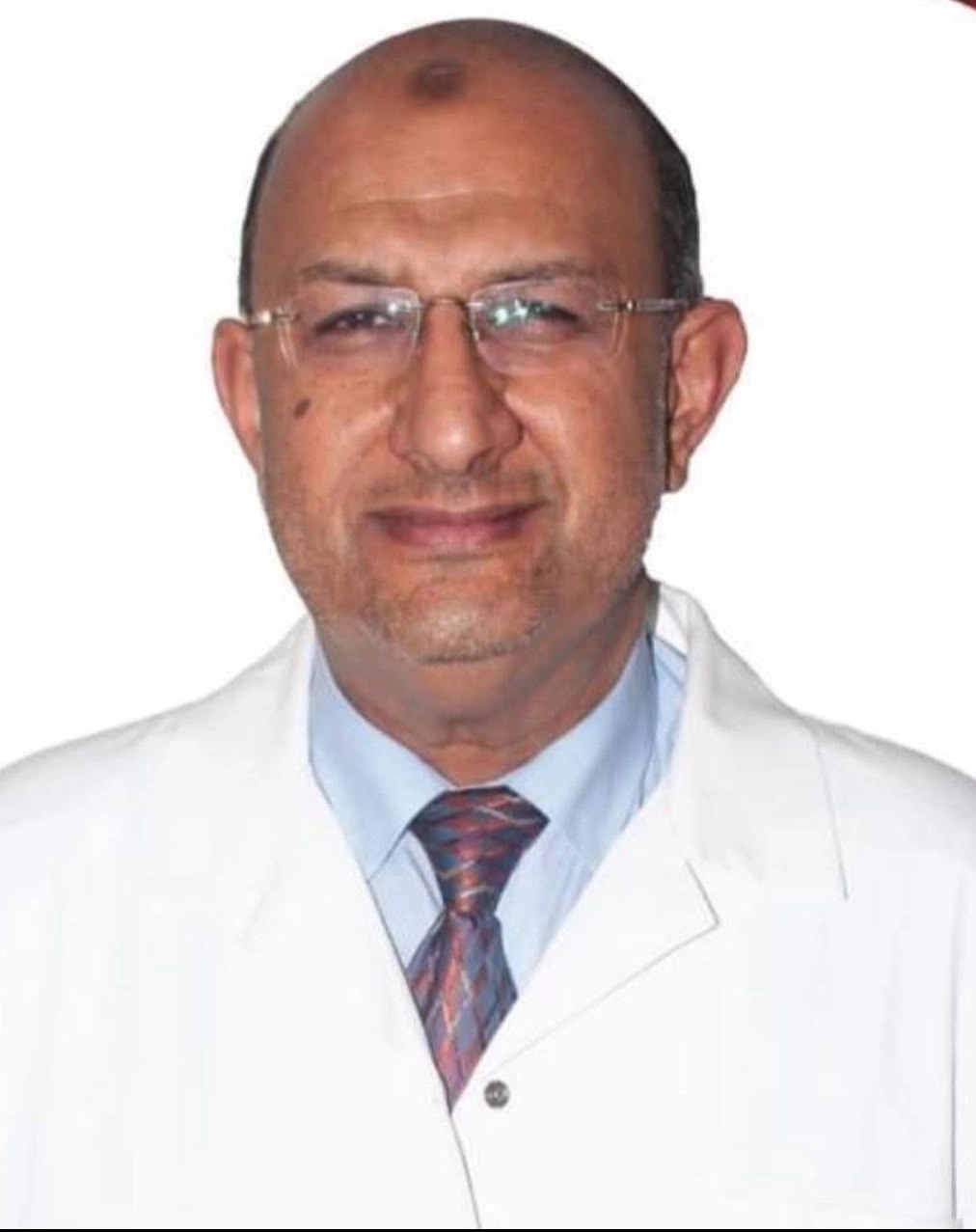
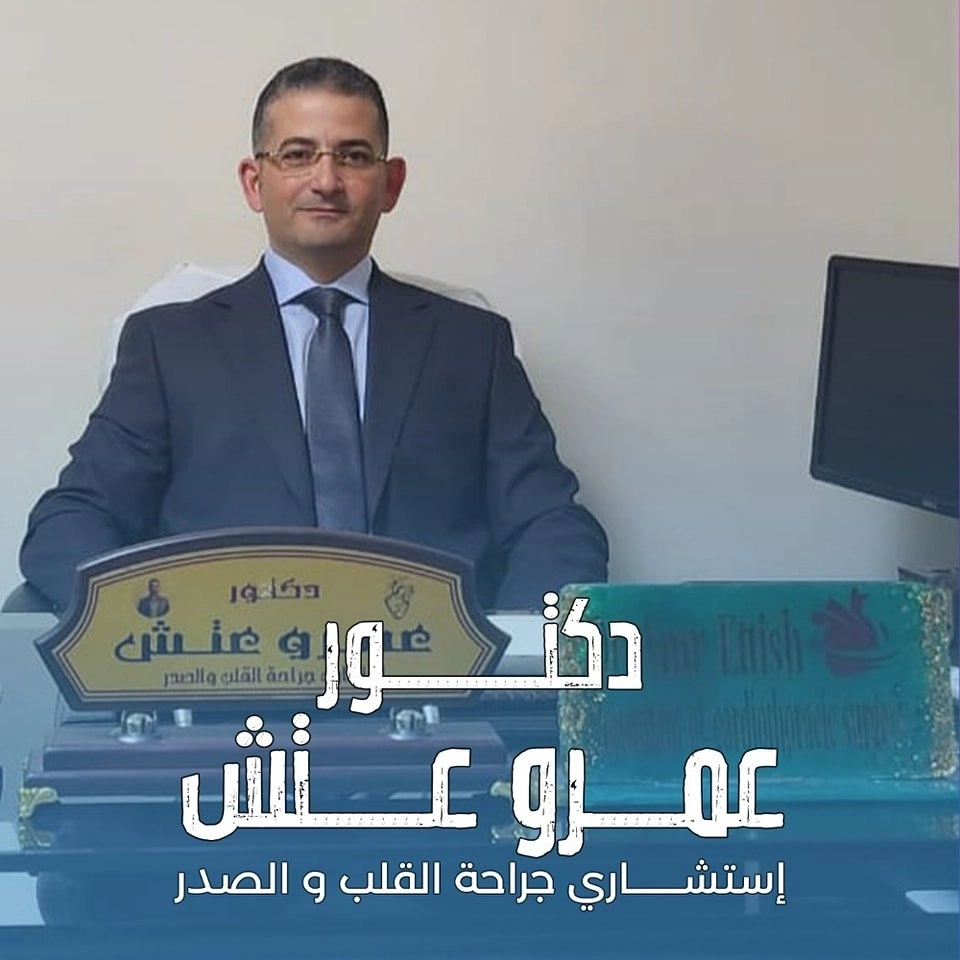
In this context, Dr. Karim Mohamed Mady stands out as a prominent authority in the field of open-heart surgery. He is distinguished by his advanced track record and extensive experience in handling the most intricate cardiac and valve operations, relying on the latest international medical protocols that ensure patient safety, minimize potential risks, and maximize complete recovery rates.
4. Intensive Care and Post-Operative Recovery
The first hours and days following open-heart surgery represent a critical and sensitive phase, characterized by the following steps:
Intensive Care Unit (ICU): The patient is transferred directly to the ICU for continuous 24/7 monitoring of vital signs, blood pressure, and cardiac and renal functions. The ventilator is typically removed within a few hours of waking up.
Early Mobilization: Once stabilized, the patient begins light movement and walking inside the room with the assistance of a physical therapy team to boost circulation and prevent blood clots.
Hospital Discharge: Patients usually leave the hospital within one week to ten days at most, receiving detailed instructions on wound care and regular medication schedules (such as blood thinners and anti-inflammatories).
Cardiac Rehabilitation: A comprehensive program combining tailored physical exercises and nutritional guidance to help the patient gradually regain fitness and overall health.
Conclusion
Open-heart surgery serves as a true lifeline for patients suffering from advanced cardiac conditions. Thanks to the integration of modern technologies with distinguished medical expertise like that of Dr. Karim Mohamed Mady, these procedures have become a safe pathway toward a renewed life full of vitality and activity. Early diagnosis, close medical follow-up, and selecting a skilled surgeon remain the fundamental pillars of a successful and stable recovery journey.