
Published on: 2026-11-18 | Written by: Dr. Ahmed Al Sharif, Lecturer and Consultant
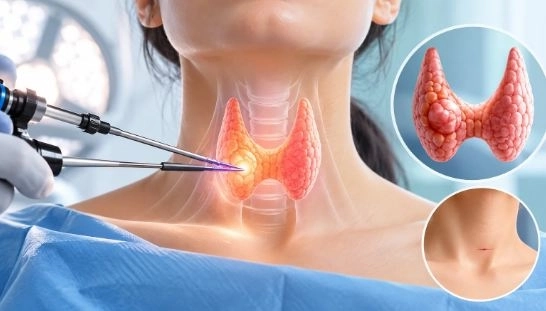
The thyroid gland is one of the most vital endocrine glands in the human body. Located at the front of the neck in the shape of a butterfly, it secretes hormones that directly regulate metabolism, heart rate, body temperature, and overall psychological health. When persistent disorders arise—such as tumors, compressive enlargement, or hyperthyroidism unresponsive to medication—surgical intervention becomes the optimal solution to restore health balance.
1. What Are Thyroid Surgeries and When Are They Necessary?
Thyroid surgeries involve the complete or partial removal of the gland. Surgery is only recommended after a thorough evaluation by the medical team, and the primary indications for thyroidectomy include:
Benign and Malignant Tumors: Suspected cancerous cells (thyroid cancer) or large benign tumors causing discomfort or concern for the patient.
Compressive Goiter (Struma): Enlargement of the gland to the extent that it presses on the trachea (windpipe) or esophagus, causing difficulty in breathing or swallowing.
Hyperthyroidism (Graves' Disease): Cases that fail to respond to medication or radioactive iodine therapy, or when contraindications to these treatments exist.
Active or Suspicious Thyroid Nodules: Nodules showing inconclusive Fine-Needle Aspiration (FNA) biopsy results or indicating atypical cells.
2. Types of Thyroid Surgeries
The surgical approach varies depending on the medical condition and the extent of the issue, falling into three primary categories:
Total Thyroidectomy: The complete removal of the thyroid gland, commonly performed in cases of malignant tumors or severe enlargement affecting both lobes.
Subtotal / Partial Thyroidectomy: The removal of most of the gland while leaving a small portion intact to maintain some natural hormone production (though close follow-up is required).
Lobectomy (Hemithyroidectomy): The removal of only one lobe of the thyroid gland, typically utilized for benign tumors confined to a single lobe or indeterminate nodules.
3. Modern Techniques in Thyroid Surgery
Endocrine surgeries have witnessed remarkable advancements in recent years, making procedures safer and minimally invasive. Key modern techniques include:
Endoscopic Thyroidectomy: Allows surgery to be performed through tiny incisions often hidden away from the neck (such as in the axillary/underarm area), leaving virtually unnoticeable scars.
Microscopic & Loupe-Assisted Surgery: Utilizing high-precision magnifying lenses and specialized illumination systems to protect delicate surrounding tissues.
Intraoperative Nerve Monitoring (IONM): An advanced technological tool used during surgery to track and safeguard the recurrent laryngeal nerve (vocal cord nerve) with high precision, preventing temporary or permanent hoarseness.
4. The Role of Medical Expertise in Surgical Success
Thyroid operations are considered delicate and highly sensitive procedures due to the immediate proximity of the vocal cord nerves and the parathyroid glands (responsible for regulating blood calcium levels). Consequently, the success of the surgery relies heavily on the surgeon's skill and cumulative experience in navigating these intricate anatomical structures.
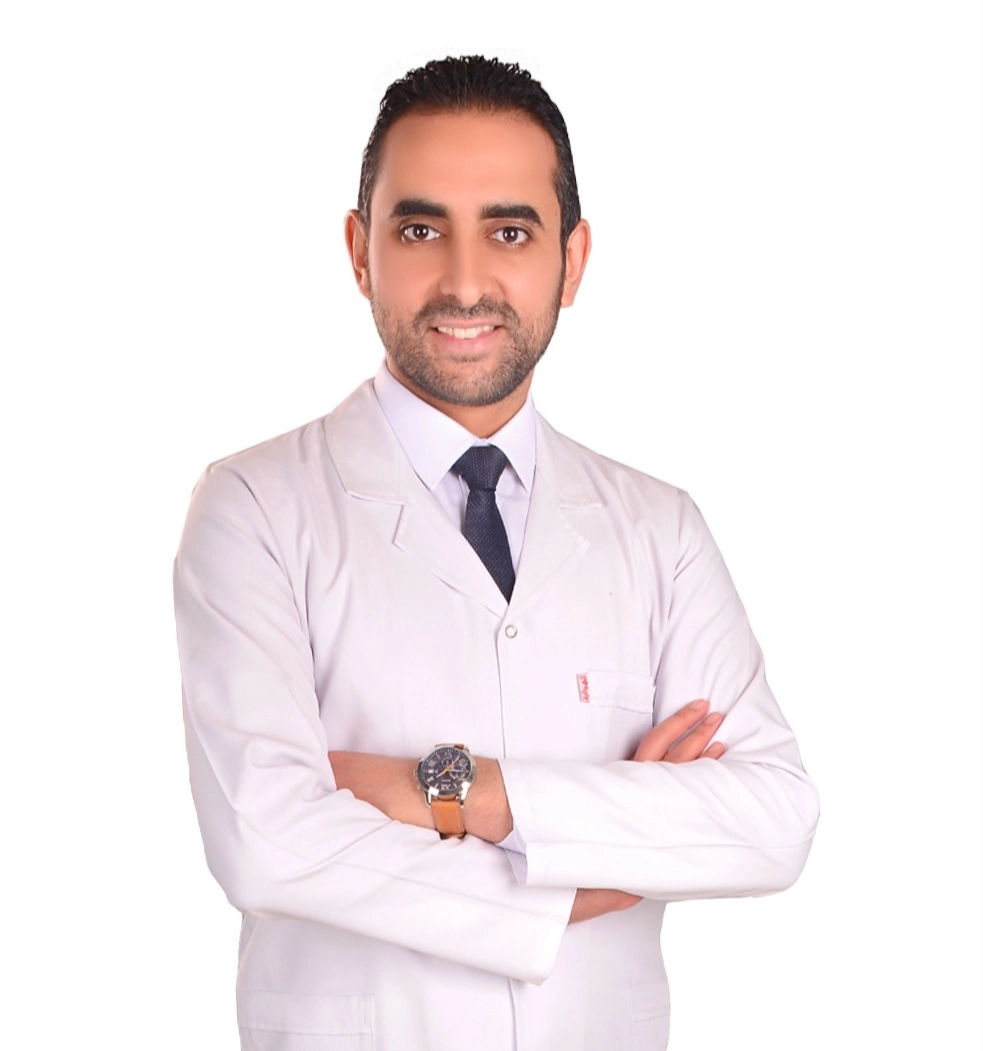
In this context, Dr. Ahmed El-Sherif stands out as a distinguished medical authority in the field. Known for his extensive experience and high precision in performing advanced thyroid surgeries, he relies on the latest medical protocols and technologies that ensure the highest safety standards, rapid patient recovery, and minimal risk of complications.
5. Post-Operative Phase and Recovery
Modern thyroid surgeries feature a relatively quick and comfortable recovery period. General post-operative guidelines include:
Hospital Stay: Patients typically leave the hospital on the same day as the surgery or the following day.
Wound Care: Keeping the incision site clean and dry, while following the doctor's instructions regarding moisturizing creams or medical silicone strips to minimize scarring.
Hormone Replacement Therapy: Following a total thyroidectomy, the patient begins taking daily thyroxine replacement pills at a dosage determined by the physician to compensate for the gland's function.
Calcium Level Monitoring: Blood calcium levels are closely monitored to ensure proper parathyroid function; temporary calcium and vitamin D supplements may be prescribed if necessary.
Thyroid surgeries represent a safe and highly effective therapeutic step when performed by a skilled and experienced surgeon like Dr. Ahmed El-Sherif, utilizing cutting-edge technologies that preserve surrounding structures. Early diagnosis, accurate evaluation, and choosing the right surgeon remain the cornerstones of a successful recovery journey and a stable, healthy life.