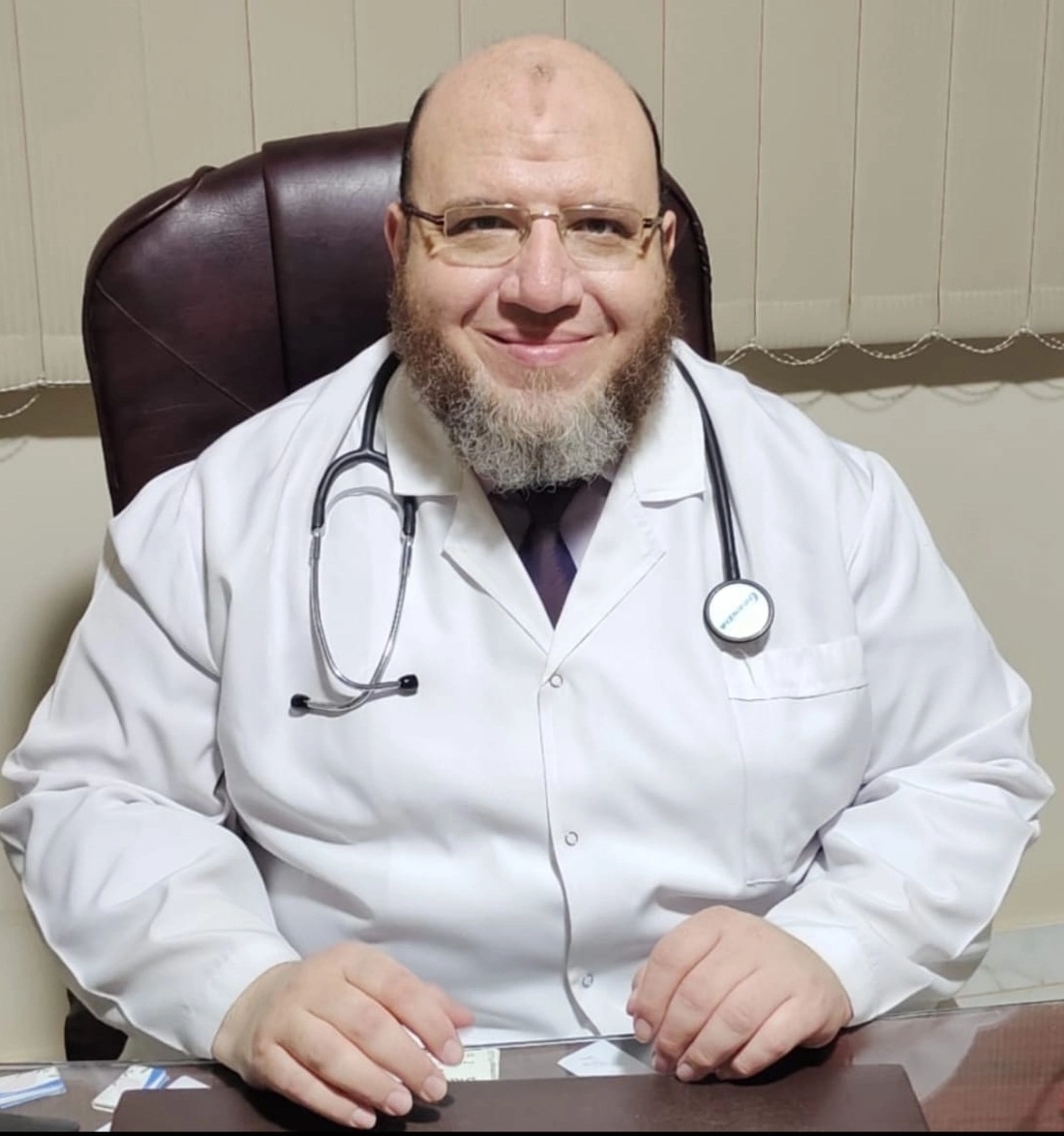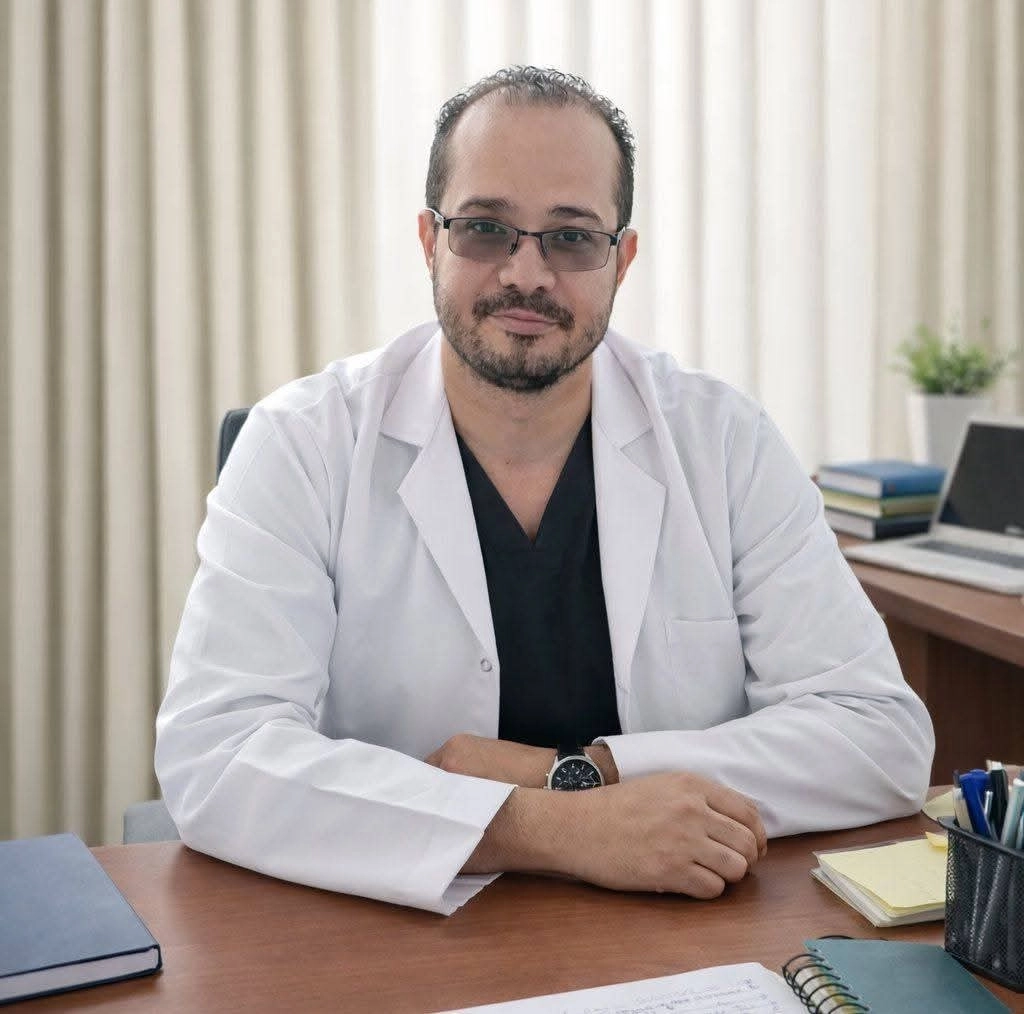

Published on: 2026-11-18 | Written by: Dr Mohamed Helmy Abaza Consultant of Liver
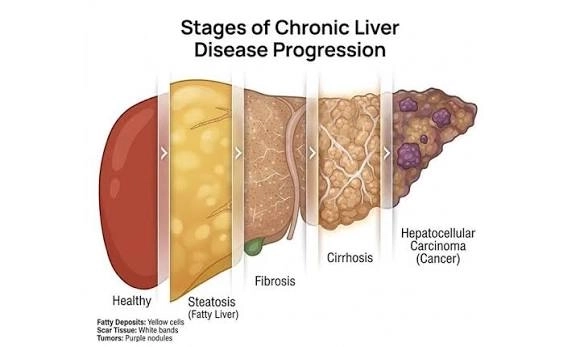
Chronic Liver Diseases represent one of the most significant health challenges requiring meticulous medical care and continuous follow-up, as the liver is the vital organ responsible for purifying blood, metabolism, and storing energy and vitamins. The causes of chronic liver diseases are diverse, including viral hepatitis (such as Hepatitis B and Hepatitis C), Non-Alcoholic Fatty Liver Disease (NAFLD), autoimmune hepatitis, and fibrosis resulting from continuous exposure to toxic substances or improper medications. Managing these conditions requires an integrated treatment plan aimed at halting fibrosis progression, protecting remaining liver cells, and preventing serious complications.
Modern liver disease treatment and follow-up programs aim to control chronic hepatic inflammation, reduce the accumulation of scar tissue (fibrosis), improve vital liver functions, and prevent the condition from progressing toward advanced cirrhosis or liver failure.
Dr. Mohamed Helmy Abaza clarifies that early detection of chronic liver diseases represents the cornerstone of successful treatment, noting that tremendous advancements in antiviral drug protocols and medications for triglycerides and fatty liver now give patients a real opportunity to recover and restore liver health with high efficiency.
Halting Viral Activity and Liver Inflammation: Completely eliminating hepatitis viruses or controlling their immune activity to prevent the destruction of liver cells.
Reducing and Reversing Liver Fibrosis: Utilizing antioxidants and supportive medications to improve liver tissue elasticity and minimize scar formation.
Improving Metabolic Functions and Detoxification: Assisting the liver in performing its vital duties of blood purification and synthesizing essential proteins.
Preventing Serious Complications: Preventing esophageal varices, ascites, or liver tumors through close, periodic follow-up.
Hepatology has witnessed a massive technological revolution that has reduced the need for traditional surgical biopsies, enabling the assessment of liver condition and degree of fibrosis using ultra-precise, non-invasive devices.
Dr. Mohamed Helmy Abaza points out that relying on transient elastography devices (FibroScan), advanced molecular assays, and 3D CT and MRI imaging allows for determining the exact stage of the disease and monitoring the patient's response to treatment accurately without surgery.
FibroScan Device: A fast, safe, non-invasive examination to measure the degree of liver fibrosis and the percentage of accumulated fat within its tissues.
Advanced Molecular and Viral Assays (PCR): Accurately determining the viral load and selecting the personalized pharmacological treatment for each patient.
Precision Imaging Examinations (Ultrasound & CT): Assessing blood flow through hepatic veins, checking liver size, and ruling out tumors early.
Modern Direct-Acting Antiviral Protocols (DAAs): Advanced medications with record cure rates to eliminate hepatitis viruses with minimal side effects.
Chronic liver disease cases follow a precise, structured diagnostic and therapeutic protocol that begins with assessing the extent of liver damage and concludes with establishing a customized, sustainable preventive and therapeutic plan.
Dr. Mohamed Helmy Abaza advises undergoing comprehensive periodic checkups for liver functions and enzymes, especially for individuals suffering from obesity, diabetes, or a family history of liver diseases, emphasizing that regular monitoring protects the patient from being caught off guard by advanced stages of the disease.
Comprehensive Clinical Diagnosis and Medical History Analysis: Evaluating symptoms such as persistent fatigue, yellowing of the eyes, or limb swelling, and identifying underlying causes.
Conducting Precision Laboratory Tests: Measuring liver enzymes, bilirubin, blood clotting (PT/INR), and viral and autoimmune markers.
Non-Invasive Device Examinations (FibroScan & Ultrasound): Determining the degree of liver fibrosis and fat percentage while ensuring regular blood flow in major vessels.
Formulating a Personalized Treatment Protocol: Prescribing antivirals, antioxidants, or blood sugar and lipid regulators to protect the liver.
Periodic Follow-Up and Early Screening Checks: Scheduling regular visits to test tumor markers and ensure ongoing stability of the condition.
Modifying daily lifestyle habits and dietary regimens plays an indispensable, pivotal role in relieving the burden on the liver and helping it regenerate its cells and vitality.
Dr. Mohamed Helmy Abaza stresses that completely avoiding alcoholic beverages and smoking, reducing salt and processed sugars, and avoiding random painkillers and medications without consultation represent the true shield for protecting liver cells from accelerated damage.
Following a Balanced, Liver-Healthy Diet: Increasing intake of leafy vegetables, fresh fruits, fiber, and lean proteins while reducing saturated fats.
Maintaining an Ideal Weight and Treating Fatty Liver: Losing excess weight gradually and regularly to reduce fat accumulation inside liver cells.
Strictly Abstaining from Random Medications and Painkillers: Avoiding joint medications or antibiotics without medical supervision to prevent drug-induced liver toxicity.
Drinking Plenty of Pure Water Daily: Helping the liver and intestines eliminate toxins and metabolic waste efficiently.
Getting Adequate Rest and Sleep: Supporting bodily immunity and reducing physical and psychological stress affecting vital tissue efficiency.
Never Neglect Periodic Liver Function Tests: Regular follow-ups allow the detection of any minor changes in efficiency and immediate management.
Adhere Strictly to Medication Dosages on Schedule: Do not discontinue antiviral medications or prescribed treatments on your own.
Avoid Unlicensed Foods and Supplements: Steer clear of herbs or products of unknown origin that may cause acute stress to the liver.
Maintain Ongoing Follow-Ups with Your Specialist:
Dr. Mohamed Helmy Abaza emphasizes in his concluding guidance that safely living with and controlling chronic liver diseases has become a tangible reality thanks to modern medical advancements, confirming that early diagnosis, treatment adherence, and sound health awareness are the true keys to a long and healthy life.