

Published on: 2026-11-17 | Written by: Dr. Mohamed El Sayed Youssef, Orthodontist
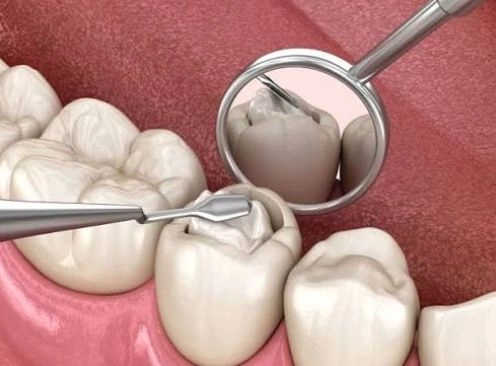
Dental fillings are among the most common and important procedures in maintaining oral health. When a tooth is exposed to decay, fracture, or wear, it loses a part of its fundamental structure. This is where a dental filling steps in to replace the lost material, restore the tooth's natural shape and chewing function, and protect it from worsening decay that could reach the tooth's nerve.
In light of tremendous advancements in cosmetic and restorative dentistry, a filling is no longer merely a means to plug gaps or treat decay; rather, it has become an engineered art form that blends durability and strength with an unnoticeable, aesthetic appearance.
A dental filling is a therapeutic procedure through which the cavity resulting from decay or damage inside a tooth is cleaned, and this space is then filled with special medical materials that restore the tooth's hardness and resistance to chewing pressure.
Signs Indicating You Need a Dental Filling:
Toothache: Experiencing persistent pain or discomfort when chewing or consuming hot, cold, or sugary foods and drinks.
Visible Decay: The appearance of black or brown spots or clear cavities on the surface of the tooth.
Broken or Chipped Tooth: A broken piece of the tooth resulting from trauma or biting down on hard food.
Rough Tooth or Tongue Irritation: Feeling a fracture in the edge of the tooth that causes friction against the tongue or surrounding tissues.
A Failing Old Filling: If you have an old filling that has worn down or fallen out, leaving the tooth vulnerable to decay once again.
Dental filling materials vary based on the condition of the tooth, the location of the molar (front or back), and patient preferences and budget. Prominent common types include:
Advantages: Features a color that perfectly matches natural teeth, making it an ideal choice for front teeth and visible back teeth. It bonds chemically to the tooth structure, requiring the removal of less healthy tooth structure during preparation.
Disadvantages: Its color may gradually change over the years with smoking or consuming staining beverages (like coffee and tea), and it has a slightly shorter lifespan compared to metal fillings in high-pressure back molars.
Advantages: Known for immense durability and superior resistance to heavy chewing forces in back molars, while also lasting for very long periods and being cost-effective.
Disadvantages: Its clear silver-metallic color makes it completely unsuitable for front teeth, and it sometimes requires removing a larger portion of the tooth structure to anchor it securely.
Advantages: Porcelain fillings are lab-crafted with extreme precision, offering high stain resistance and hardness close to natural teeth. Glass ionomer releases fluoride to protect the tooth from additional decay, frequently used for children's teeth or tooth roots.
The dental filling process is performed in the clinic through meticulous, systematic steps that ensure total patient comfort:
Local Anesthesia: The doctor gently numbs the area surrounding the target tooth to ensure the patient feels no pain throughout the procedure.
Decay Removal and Cleaning: Using precision instruments, the dentist completely removes decayed and damaged tissue and thoroughly cleans the cavity to sterilize the area.
Tooth Preparation and Treatment: Preparing the tooth cavity to receive the filling material. In some deep cases, the dentist may place a protective liner to shield the tooth's nerve.
Applying the Filling Material:
For composite (cosmetic) fillings, the dentist applies the material in layers, curing each layer using a specialized blue light (Light Cure).
For metal fillings, the material is blended and packed into the cavity until it hardens on its own.
Finishing and Final Bite Adjustment: The dentist sculpts the filling and adjusts the bite of the jaws with high precision to ensure there is no annoying high spot during chewing, then polishes the filling surface to make it smooth and natural.
To ensure an extended lifespan for the filling and maintain tooth health, it is recommended to follow these guidelines:
Avoid Eating Immediately: Wait until the local anesthetic wears off completely (usually two hours) to avoid accidentally biting your lip or tongue.
Temporary Sensitivity is Normal: You may experience minor sensitivity to cold or hot drinks for a few days; these are normal symptoms that disappear on their own.
Consistent Teeth Cleaning: Brush your teeth with fluoride toothpaste twice a day, and use dental floss regularly.
Steer Clear of Harmful Habits: Avoid biting down on hard objects (like ice, nuts in shells, or using teeth to open packages) as they can crack the filling or the tooth.
Periodic Follow-Up: Visit the dentist every 6 months to examine fillings and verify oral and dental health.
If decay penetrates deep into the tooth and reaches the nerve directly (causing severe pain that keeps the patient awake or throbbing nighttime pain), a standard filling is no longer sufficient. Instead, it requires a Root Canal Treatment to clean and sterilize the nerve canals, followed by placing a nerve filling and then installing a crown (cap) to protect the weakened tooth from fracturing.
Neglecting minor decay and leaving it unfilled in its early stages allows it to penetrate deep into the tooth, turning it into a larger and more costly problem. Periodic check-ups and early intervention are the primary key to maintaining strong teeth and a bright smile for a lifetime.