

Published on: 2026-11-15 | Written by: Mona Hammad, Specialist in Mental Health
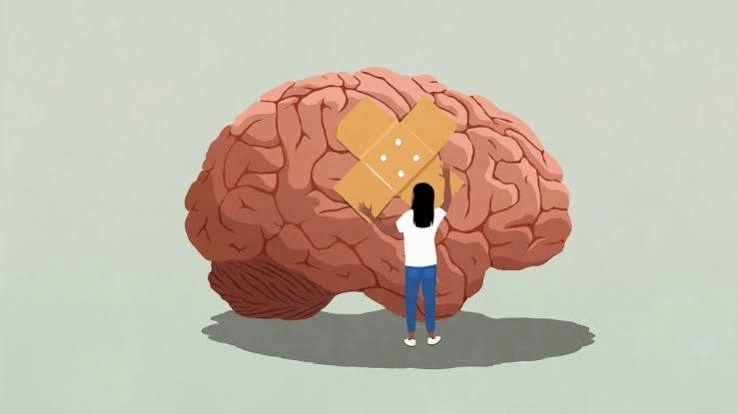
Processing Negative Memories and Psychological Trauma (Trauma Therapy) represents one of the most vital and delicate fields in clinical psychology and contemporary psychotherapy. It aims to free the mind and emotions from the emotional burdens associated with painful experiences or traumatic events that remain stuck in memory and negatively impact the present. Unprocessed negative memories perpetuate feelings of anxiety, fear, low self-esteem, and repetitive defensive thought patterns and behaviors that hinder quality of life and social relationships. These conditions require specialized psychological intervention grounded in safe, evidence-based methods to reprocess those memories and strip them of their painful emotional charge without erasing the life lessons gained from them.
Programs for processing negative memories aim to help the brain healthily integrate painful experiences into long-term memory, reduce acute emotional and physical responses when recalling them, and restore a sense of safety and control over the present.
Dr. Mona Hammad clarifies that painful negative memories do not disappear simply by ignoring or suppressing them; rather, they remain active in the subconscious and influence an individual's daily decisions and emotions, noting that proper psychological processing aims to transform the memory from an open wound causing continuous pain into simply a past event that has been peacefully overcome.
Releasing Painful Emotional Charges: Alleviating the intensity of negative emotions such as sadness, anger, guilt, or fear linked to past situations.
Breaking Rumination Cycles: Stopping the repetitive, compulsive recall of painful events that exhausts the nervous system.
Correcting Negative Self-Beliefs: Eliminating distorted thoughts resulting from traumatic experiences, such as feelings of helplessness or unworthiness.
Restoring Psychological and Physical Balance: Reducing psychosomatic symptoms associated with chronic stress, such as insomnia, fatigue, and anxiety disorders.
Modern psychotherapy has witnessed remarkable scientific breakthroughs, providing advanced, clinically proven techniques to safely reprocess painful memories and desensitize emotional triggers.
Dr. Mona Hammad points out that relying on specialized techniques—such as Eye Movement Desensitization and Reprocessing (EMDR) and Trauma-Focused Cognitive Behavioral Therapy—allows the brain to rapidly and effectively reorganize painful memories without needing to dwell in the details of pain for prolonged periods.
Eye Movement Desensitization and Reprocessing (EMDR): Stimulating both hemispheres of the brain to facilitate the processing of stuck memories and reduce their emotional intensity.
Cognitive Behavioral Therapy for Cognitive Restructuring (CBT): Dismantling negative interpretations linked to the past and replacing them with a more realistic, balanced perspective.
Prolonged Exposure Therapy: Confronting avoided memories or triggers within a safe therapeutic environment until the associated fear fades away.
Mindfulness and Emotional Regulation Techniques: Training the mind to remain anchored in the present moment and separate current reality from past fears.
Cases involving the processing of negative memories follow a structured, gradual therapeutic protocol that ensures the client's psychological safety and prevents emotional overwhelm during sessions.
Dr. Mona Hammad advises against attempting to dig up deep psychological traumas randomly without specialized supervision, emphasizing that building calming and psychological stabilization skills before beginning to process painful memories is the essential guarantee for safely succeeding in the therapeutic journey.
Comprehensive Psychological Assessment and Goal Setting: Studying psychological history, identifying impactful memories, and evaluating current stability levels.
Preparation Phase and Building Calming Skills: Equipping the client with breathing, relaxation, and emotional regulation techniques to ensure psychological safety.
Identifying Target Memories and Associated Beliefs: Organizing painful events and pinpointing the negative emotions and thoughts accompanying each memory.
Administering Processing and Reintegration Sessions: Utilizing appropriate therapeutic techniques to discharge emotional intensity and reframe meaning.
Periodic Follow-Up and Future Adaptation Evaluation: Confirming the resolution of the memory's negative impact and strengthening the individual's ability to face life situations with confidence.
Committing to self-care practices and adopting a healthy lifestyle play a pivotal role in supporting the brain's psychological resilience and cementing the outcomes of therapy sessions.
Dr. Mona Hammad stresses that practicing therapeutic journaling, maintaining a regular sleep routine, and surrounding oneself with positive social support represent core pillars for enhancing psychological recovery and preventing the return of negative thoughts.
Practicing Structured Expressive Journaling: Writing down feelings and thoughts to release mental pressure and organize one's perspective toward past experiences.
Committing to Deep Breathing and Mindfulness Exercises: Calming the nervous system and reducing immediate stress responses when exposed to any triggers.
Maintaining Sleep Quality and Regular Physical Activity: Supporting brain chemistry responsible for mood stability and psychological resilience.
Setting Healthy Boundaries in Social Relationships: Stepping away from toxic environments or relationships that reactivate old psychological wounds.
Focusing on Current Achievements and Goals: Channeling mental energy toward building the present and planning for the future rather than remaining stuck in the past.
Acknowledging Emotions Without Self-Blame: Accepting that emotional pain is a natural reaction to difficult experiences, and that seeking help is a courageous step toward healing.
Committing to Gradual Progress and Patience Throughout Recovery: Giving oneself adequate time for psychological rebuilding without rushing results.
Practicing Therapeutic Exercises Between Sessions: Consistent practice of emotional regulation skills accelerates and sustains improvement.
Maintain Ongoing Follow-Ups with Your Specialist:
Dr. Mona Hammad emphasizes in her concluding guidance that the past should never be a prison that defines the contours of the future, confirming that proper scientific processing of negative memories, adherence to the treatment plan, and adopting a supportive lifestyle are the surest paths to breaking free from past pain, restoring inner peace, and moving forward toward a more balanced and happy life.