

Published on: 2026-11-15 | Written by: Dr. Mohamed Othman, Consultant and Lecturer in Critical Care Medicine
What Is Home Healthcare for Critical Patients?
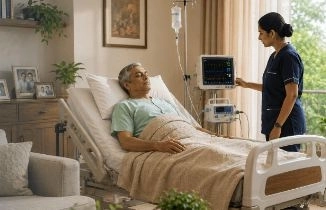
Home healthcare for critically ill patients is an important medical service that helps patients who require ongoing medical monitoring receive appropriate care in the comfort of their homes.
This service is particularly beneficial for patients with chronic illnesses, complex medical conditions, limited mobility, or difficulty traveling to hospitals and clinics.
Home healthcare is especially important for elderly patients and individuals recently discharged from the Intensive Care Unit (ICU), as they may require close medical monitoring, medication reviews, assessment of heart and respiratory functions, and follow-up to ensure their condition remains stable after hospitalization.
Home medical care allows patients to receive appropriate follow-up in a familiar and comfortable environment, reducing the difficulties associated with frequent transportation while helping families understand the patient's medical needs.
Dr. Mohamed Othman, Consultant and Lecturer in Critical Care Medicine, Internal Medicine, Cardiology, and Chest Diseases in Alexandria, provides home healthcare services for critically ill patients and elderly individuals, in addition to home visits for emergency and critical cases and specialized follow-up for patients after ICU discharge.
The Importance of Home Healthcare for Critically Ill Patients
Some medical conditions require close follow-up even after the patient has completed their hospital stay. Traveling to a clinic may be physically exhausting or difficult for patients with limited mobility or complicated medical conditions.
This is where home healthcare becomes particularly valuable, allowing patients to continue receiving medical follow-up and regular health assessments.
Some of the main benefits of home healthcare include:
Providing medical follow-up at home without frequent clinic visits.
Monitoring patients after hospital discharge.
Supporting elderly patients with limited mobility.
Following up on patients with heart diseases, chest diseases, and chronic conditions.
Monitoring symptoms and identifying changes that may require medical attention.
Reviewing prescribed medications and treatments.
Providing medical guidance to family members and caregivers.
Supporting recovery after discharge from the Intensive Care Unit.
Each patient has different medical needs, so the home healthcare plan should be determined according to a proper medical assessment and the patient's individual condition.
Who Needs Home Healthcare Services?
Many patients may benefit from home healthcare services, particularly when their medical condition is stable enough to receive care outside the hospital.
1. Patients After Discharge from the Intensive Care Unit
Post-ICU follow-up is one of the most important reasons patients require home medical care.
After experiencing a critical illness, patients may need a recovery period and close medical monitoring due to the effects of severe illness or prolonged hospitalization.
Some patients may experience:
General weakness and persistent fatigue.
Difficulty moving or performing daily activities.
Poor appetite and weight loss.
Sleep disturbances.
Breathing difficulties.
Cardiovascular problems.
The need for medication reviews and treatment adjustments.
Medical follow-up after ICU discharge helps assess recovery, identify complications that may develop after hospitalization, and determine whether additional medical intervention or rehabilitation is necessary.
2. Elderly Patients Requiring Continuous Medical Follow-Up
Elderly individuals often require special medical attention, particularly when they suffer from multiple chronic conditions.
Some elderly patients find it difficult to travel to clinics due to limited mobility, heart problems, or respiratory conditions.
Patients who may benefit from home healthcare include:
Elderly patients with high blood pressure.
Patients with heart failure.
Patients with chronic chest diseases.
Individuals suffering from general weakness.
Elderly patients requiring regular medication reviews.
Patients who need follow-up after hospital discharge.
Home medical visits help assess their health, monitor symptoms, and provide appropriate medical recommendations.
3. Home Healthcare for Heart Patients
Certain heart conditions require continuous monitoring to assess the patient's stability, monitor symptoms, and evaluate treatment response.
Some conditions that may benefit from home follow-up include:
Patients with heart failure.
Patients with high blood pressure.
Patients with cardiac arrhythmias.
Patients recently hospitalized due to cardiovascular problems.
Elderly individuals with chronic heart diseases.
Medical follow-up may include monitoring blood pressure and heart rate, assessing shortness of breath, swelling, and fatigue, and reviewing prescribed medications according to the patient's condition.
4. Home Healthcare for Chest and Respiratory Patients
Some respiratory conditions require close medical monitoring, especially among elderly patients and individuals with a history of respiratory emergencies or hospitalization.
These conditions include:
Chronic obstructive pulmonary disease (COPD).
Pneumonia patients following hospital treatment.
Patients with bronchial asthma.
Individuals experiencing recurrent shortness of breath.
Patients requiring oxygen level monitoring.
Patients recovering from respiratory failure after ICU discharge.
Medical follow-up helps assess breathing, identify changes in symptoms, and determine whether additional investigations or medical intervention are required.
5. Patients with Chronic Internal Medicine Conditions
Patients with chronic diseases may require regular medical monitoring to prevent deterioration, particularly elderly individuals or those suffering from multiple medical conditions.
These conditions may include diabetes, high blood pressure, kidney diseases, and other chronic illnesses, depending on the patient's medical needs and the required specialty.
Post-ICU Follow-Up and Its Importance at Home
Treatment does not end when a patient is discharged from the Intensive Care Unit. Some patients require ongoing medical monitoring and rehabilitation for a period that depends on the nature and severity of their illness and the duration of hospitalization.
This stage is known as Post-ICU Follow-Up.
Some patients may experience physical, psychological, or cognitive difficulties after recovering from critical illness, such as muscle weakness, fatigue, sleep disturbances, and difficulty concentrating.
The main goals of post-ICU follow-up include:
Assessing the patient's overall health after hospital discharge.
Monitoring heart and respiratory functions.
Reviewing medications and administration schedules.
Monitoring nutrition and general health.
Assessing mobility and the ability to perform daily activities.
Monitoring new or recurring symptoms.
Determining the need for physical therapy or medical rehabilitation.
Helping family members understand the patient's care requirements during recovery.
Dr. Mohamed Othman has specialized experience in post-ICU patient follow-up, focusing on assessing each patient's condition and providing appropriate medical monitoring.
What Services Are Included in Home Healthcare for Critical Patients?
Home healthcare services vary according to each patient's medical condition and individual needs. They may include:
First: Home Medical Examination and Assessment
The patient's medical condition is evaluated through a review of medical history, current symptoms, and medications, followed by identifying medical needs and establishing an appropriate follow-up plan.
Second: Monitoring Vital Signs
Medical follow-up may include measuring and assessing important vital signs, such as:
Blood pressure.
Heart rate.
Body temperature.
Respiratory rate.
Oxygen saturation when necessary.
These measurements help assess the patient's stability but do not replace a comprehensive medical examination.
Third: Medication and Treatment Review
Some patients, particularly elderly individuals and critically ill patients, take several medications simultaneously.
Therefore, reviewing medications, dosages, and administration schedules is important to help prevent medication errors and potential drug interactions.
Patients should never stop medications or change dosages without consulting their treating physician.
Fourth: Monitoring Nutrition and General Health
Good nutrition is an important factor in recovery, particularly after prolonged hospitalization.
Some patients may require nutritional assessment and monitoring of weight, appetite, and fluid intake according to their medical condition and the physician's recommendations.
Fifth: Respiratory Monitoring
Patients with heart and chest diseases may require respiratory assessment, symptom monitoring, oxygen saturation monitoring, and review of their medical treatment according to their condition.
Patients requiring oxygen therapy or respiratory support devices must be monitored according to a clear medical plan by qualified healthcare professionals.
Sixth: Guidance for Family Members and Caregivers
Home healthcare is not limited to the patient. It also includes educating family members about proper patient care, recognizing warning signs, and following the prescribed treatment plan.
Home Healthcare for Heart and Chest Patients
Heart and chest diseases are among the conditions that may require home medical follow-up, particularly when patients are elderly, have limited mobility, or have recently been hospitalized.
Home follow-up may include:
Monitoring blood pressure and heart rate.
Assessing symptoms of shortness of breath.
Monitoring swelling in the feet and fluid retention.
Following up on coughing and phlegm.
Assessing oxygen saturation when necessary.
Reviewing prescribed medications.
Evaluating treatment response.
Determining whether additional medical investigations are required.
Dr. Mohamed Othman's specialization in Critical Care Medicine, Internal Medicine, Cardiology, and Chest Diseases is particularly valuable when evaluating patients with multiple medical conditions requiring comprehensive follow-up.
When Should You Request a Home Medical Visit?
A home medical visit may be appropriate when a patient requires medical assessment but cannot easily travel to a clinic.
Examples include:
Elderly patients with limited mobility.
Patients recently discharged from the hospital.
Critically ill patients requiring regular follow-up.
Patients with chronic heart and chest diseases.
Patients requiring medical assessment at home.
Individuals who need treatment reviews and symptom monitoring.
It is important to emphasize that home visits are not a substitute for emergency medical care when immediate hospital intervention is required.
In cases of severe chest pain, acute shortness of breath, loss of consciousness, seizures, or sudden deterioration in alertness, emergency medical services must be contacted immediately. Do not wait for a home visit.
The Difference Between Home Healthcare and Emergency Medical Care
Families should understand the difference between conditions that can be monitored at home and those requiring immediate hospital care.
Conditions Suitable for Home Healthcare:
Monitoring stable patients after hospital discharge.
Reviewing medications and treatment plans.
Following up on elderly patients.
Assessing stable medical symptoms.
Monitoring certain chronic diseases.
Providing medical guidance to family members.
Conditions Requiring Emergency Medical Care:
Severe or sudden chest pain.
Severe or sudden difficulty breathing.
Loss of consciousness.
Sudden speech or movement difficulties.
Severe reduction in alertness.
Significant bleeding.
Rapid deterioration in the patient's medical condition.
The primary goal is to ensure that every patient receives the appropriate level of care in the right setting without delaying necessary medical intervention.
Why Do Critically Ill Patients Need Follow-Up with a Critical Care Specialist?
Critical medical conditions may affect multiple body systems simultaneously. A patient may suffer from heart, respiratory, kidney, and circulatory problems in addition to underlying chronic diseases.
These cases require comprehensive medical evaluation, taking into consideration medical history, changes in health status, current medications, and investigation results.
Specialized follow-up helps with:
Comprehensive assessment of the patient's medical condition.
Monitoring associated medical conditions.
Identifying early signs of deterioration.
Reviewing the treatment plan.
Determining whether additional medical specialties are required.
Monitoring patients after ICU discharge.