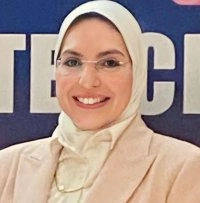
Published on: 2026-11-12 | Written by: Dr. Marwa Abou El-Soud, Oncology Consultant
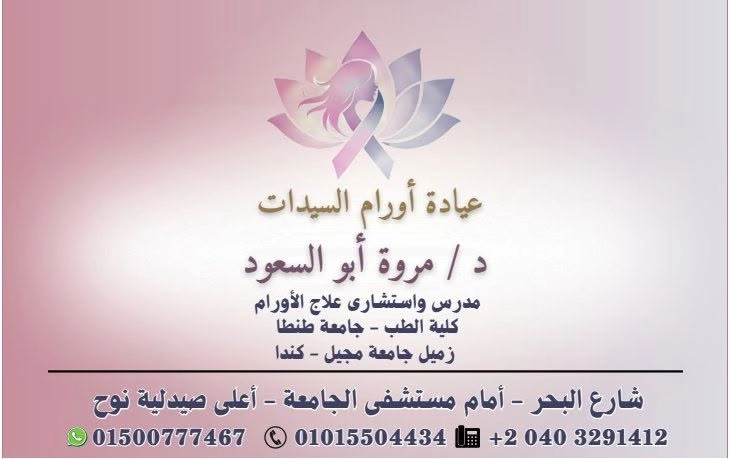
Oncology is one of the highly specialized medical fields that requires extensive expertise in diagnosis, determining the nature and stage of tumors, and selecting the most appropriate treatment plan for each patient according to the latest medical approaches. Women diagnosed with cancer require specialized medical care that includes early detection, identifying available treatment options, and continuous follow-up to ensure the best possible treatment response.
Dr. Marwa Abou El-Soud is considered one of the prominent specialists in oncology in Gharbia Governorate, particularly in Tanta, where she focuses on diagnosing and treating various types of women's cancers, relying on modern scientific guidelines to evaluate cases and determine appropriate treatment plans.
Oncology is the medical specialty concerned with diagnosing benign and malignant tumors, evaluating their nature and extent of spread, developing appropriate treatment plans, and monitoring patients throughout treatment and after its completion.
Oncology includes several important medical aspects, such as:
Diagnosing tumors and determining their type and stage.
Evaluating laboratory test results, medical examinations, imaging studies, and pathology reports.
Selecting the most appropriate treatment methods according to the tumor type and the patient's condition.
Monitoring the body's response to treatment.
Managing treatment-related side effects and complications.
Providing regular follow-up after completing the treatment plan.
Women's cancers include several types of tumors that may affect different organs of the female body. Early detection and specialized medical evaluation are important factors in determining treatment opportunities and reducing the risk of disease progression.
The most common types of women's cancers include:
1. Breast Cancer
Breast cancer is one of the most common types of cancer among women. It requires careful medical evaluation to determine the nature and stage of the tumor and select the appropriate treatment, whether surgical, systemic, or radiation therapy, depending on each case.
2. Ovarian Tumors
Ovarian tumors require specialized investigations and medical assessments to determine their nature, extent of spread, and the most appropriate treatment plan based on the diagnosis.
3. Uterine and Cervical Cancer
These include tumors affecting the uterine lining or cervix. Paying attention to unusual symptoms and undergoing the necessary medical examinations are important steps toward early detection and proper medical management.
4. Hereditary Cancers
The risk of developing certain types of cancer may be higher among women with a family history of cancer. Genetic counseling helps assess potential risk factors and determine the need for preventive screening and follow-up.
The choice of cancer treatment depends on the type and stage of cancer, as well as the patient's overall health. The treatment plan may involve one or a combination of several treatment methods, including:
Chemotherapy: Uses medications that target cancer cells and help limit their growth and spread.
Radiation Therapy: Uses radiation to target cancer cells, helping shrink tumors or destroy cancerous cells.
Targeted Therapy: Targets specific characteristics or changes within cancer cells to help stop their growth.
Immunotherapy: Helps the immune system recognize and attack cancer cells, depending on the cancer type and the patient's suitability for treatment.
The appropriate treatment approach is determined after carefully reviewing medical examinations and diagnostic reports. In some cases, combining more than one treatment method may be necessary to achieve the best possible outcome.
Early cancer detection plays an important role in identifying tumors at their initial stages, which may improve treatment success rates and provide more suitable treatment options.
Regular medical follow-up is particularly important for women with a family history of cancer or other risk factors that require periodic screening based on medical evaluation.
Genetic counseling also helps women understand their risk of developing certain types of cancer and determine whether preventive examinations or specialized follow-up are necessary.
Some cancer treatments may affect fertility and reproductive function in women, particularly those of childbearing age.
Therefore, fertility preservation counseling before starting treatment is an important aspect of care. It helps patients understand the available options and discuss suitable approaches according to the type of tumor, planned treatment, and overall health condition.
Comprehensive cancer care also includes psychological support and health education, helping patients understand their condition, treatment stages, and how to cope with the challenges associated with their treatment journey.
Dr. Marwa Abou El-Soud provides specialized services in the diagnosis and treatment of women's cancers through Women's Cancer Care Clinic in Tanta. Her services include early cancer detection, genetic counseling, various cancer treatment options, medical follow-up, psychological support, and patient health education.
Dr. Marwa Abou El-Soud has more than 20 years of academic and practical experience in oncology. She is a Consultant and Lecturer of Oncology at the Faculty of Medicine, Tanta University, a member of the European Society for Medical Oncology (ESMO), and a Fellow of McGill University in Canada.
The importance of specialized oncology care lies in providing accurate medical assessments for each patient, selecting appropriate treatment plans, and ensuring continuous follow-up while emphasizing the importance of early detection and prevention.