
Published on: 2026-11-12 | Written by: Dr. Maggie Fawzi, Senior Consultant Dermatologist
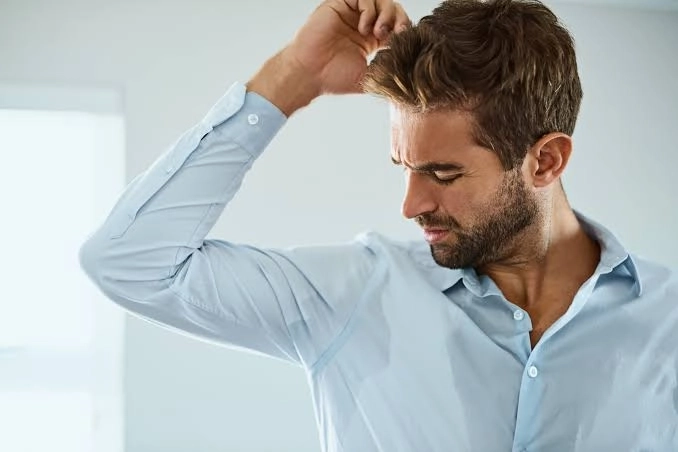
Treating excessive sweating (Hyperhidrosis Treatment) is one of the most precise and effective medical interventions in dermatology and therapeutic aesthetics. It aims to control overactive sweat glands that produce perspiration far beyond the body's natural thermoregulatory needs. This bothersome condition commonly appears in localized areas such as the underarms, palms of the hands, soles of the feet, and face, often causing severe social and professional embarrassment while increasing the risk of fungal and bacterial skin infections. Managing hyperhidrosis requires a thorough medical evaluation to distinguish between primary focal hyperhidrosis and secondary hyperhidrosis linked to underlying systemic causes, followed by applying the most suitable therapeutic protocol under the highest safety standards.
Modern hyperhidrosis treatment programs aim to calm overactive nerve signals stimulating the sweat glands, safely reduce sweat secretion in targeted areas, and restore physical comfort and self-confidence to the patient.
Dr. Magy Fawzy clarifies that excessive sweating is not merely a passing cosmetic issue, but a highly treatable medical condition, noting that accurate diagnosis and identifying the type of hyperhidrosis (primary versus secondary) represent the essential first step in selecting the therapeutic technique that grants long-term relief.
Regulating Sweat Gland Activity: Reducing excessive perspiration in the underarms, palms, and soles without disrupting the body's overall thermal balance.
Preventing Skin Infections: Minimizing persistent moisture that creates an ideal environment for fungi and bacteria responsible for skin infections and unpleasant odors.
Improving Quality of Life and Social Confidence: Eliminating the anxiety and embarrassment associated with shaking hands or visible sweat stains on clothing.
Protecting the Skin from Irritation and Chafing: Maintaining dryness and healthy superficial skin layers in skin folds and sensitive areas.
Dermatology has witnessed rapid technological breakthroughs offering fast, safe, non-surgical solutions to control hyperhidrosis, ranging from precise localized injections to advanced energy-based devices.
Dr. Magy Fawzy points out that localized medical Botox injections and Radiofrequency Microneedling (Microneedling RF) techniques have created a qualitative leap in treating excessive sweating by precisely blocking nerve signals feeding the sweat glands in a single short session.
Therapeutic Botox Injections for Hyperhidrosis (Botulinum Toxin): Blocking neurotransmitters that stimulate sweat glands in the underarms, hands, and feet for several months with remarkable results.
Radiofrequency Microneedling (RF Microneedling): Delivering precise thermal energy to shrink overactive sweat glands beneath the skin with sustainable efficacy.
Iontophoresis Technology: Utilizing a mild, safe electrical current passed through water to temporarily disable sweat gland activity in the hands and feet.
High-Strength Clinical Antiperspirants: Specialized medical formulations based on aluminum salts designed for mild-to-moderate cases under medical supervision.
Cases of excessive sweating follow a structured assessment and therapeutic protocol that begins with ruling out systemic causes and mapping sweat activity, concluding with the treatment session and periodic follow-up.
Dr. Magy Fawzy advises undergoing necessary medical evaluations to rule out any thyroid disorders or blood sugar imbalances before starting localized therapy, emphasizing that accurately mapping areas of sweat gland hyperactivity ensures optimal distribution of therapeutic doses.
Clinical Diagnosis and Medical History: Evaluating sweat distribution, timing, and ruling out secondary hormonal or medication-induced causes.
Minor's Starch-Iodine Test: Precisely identifying the most active sweat gland clusters on the skin's surface prior to injections or device application.
Local Anesthesia and Sterilization: Applying a topical numbing cream or cooling agent to ensure complete patient comfort during the procedure.
Administering the Treatment Session: Performing precise Botox micro-injections or applying the radiofrequency handpiece over the mapped area.
Periodic Follow-Up and Outcome Evaluation: Reviewing the patient after two weeks to confirm sweat reduction and assess the need for any minor touch-ups.
Adhering to post-session instructions and adopting healthy daily habits play an important role in enhancing treatment efficacy and keeping the skin dry and refreshed.
Dr. Magy Fawzy stresses that wearing loose-fitting cotton clothing, avoiding excessive spicy foods and caffeine, and maintaining gentle personal hygiene represent essential supportive factors for stabilizing outcomes and preventing skin irritation.
Wearing Natural, Loose-Fitting Cotton Clothing: Allowing the skin to breathe and reducing heat and moisture entrapment on the body's surface.
Avoiding Dietary Sweat Triggers: Limiting spicy foods, caffeine, and very hot beverages that stimulate the sympathetic nervous system.
Maintaining Daily Showers and Gentle Medical Cleansers: Removing surface bacteria and preserving the skin's natural pH balance.
Managing Stress and Emotional Tension: Practicing relaxation exercises to minimize sweat episodes triggered by anxiety and psychological pressure.
Avoiding Strenuous Exercise and Saunas Immediately Post-Session: Refraining from high heat exposure for 24 to 48 hours after treatment to ensure optimal stabilization.
Never Neglect a Comprehensive Medical Checkup: Ensure there are no underlying internal or hormonal causes behind sudden or nocturnal sweating.
Adhere to Scheduled Booster Sessions: Renew Botox sessions or prescribed maintenance treatments on time to preserve uninterrupted results.
Avoid Perfumed Deodorants Immediately After Sessions: Protect the skin from sensitivity or irritation during the first few hours post-procedure.
Maintain Ongoing Follow-Ups with Your Specialist:
Dr. Magy Fawzy emphasizes in her concluding guidance that overcoming excessive sweating has become simple and safe thanks to modern medical technologies, confirming that accurate diagnosis, selecting the most appropriate procedure for each patient, and adhering to preventive guidelines are the surest guarantees for restoring comfort, self-confidence, and enjoying an embarrassment-free social and professional life.