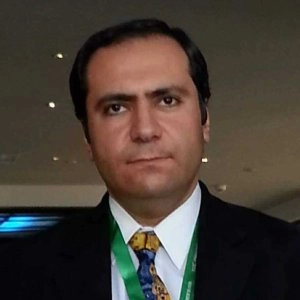
Published on: 2026-11-12 | Written by: Dr. Sami Hamadi, Consultant in the treatment

General Internal Medicine serves as the cornerstone of comprehensive healthcare. This broad medical specialty is dedicated to diagnosing, treating, and managing both chronic and acute conditions affecting internal organ systems (such as the gastrointestinal, respiratory, cardiovascular, renal, and endocrine systems). Given the overlapping symptoms and complex nature of internal conditions (such as hypertension, diabetes, liver disorders, and kidney disease), accurate clinical diagnosis and holistic medical care are paramount to preventing disease progression and enhancing the patient's overall quality of life.
1. What Is General Internal Medicine and What Are Its Therapeutic and Preventive Goals?
Modern internal medicine care aims to evaluate a patient's holistic health profile, regulate chronic disease metrics, and detect functional abnormalities in internal organs at an early stage.
Dr. Samy Hammady clarifies that the specialty of general internal medicine relies on a comprehensive view of the human body, noting that sound diagnosis lies in linking visible symptoms to the vital functions of internal organs to achieve root-cause and preventive treatment.
Health and Biological Dimensions of General Internal Medicine:
Balancing and Regulating Chronic Diseases: Precisely controlling blood glucose, blood pressure, and blood lipid levels to prevent long-term complications.
Managing Gastrointestinal and Hepatic Disorders: Treating gastric ulcers, irritable bowel syndrome (IBS), and viral or fatty liver inflammation.
Evaluating Renal and Urinary Tract Function: Monitoring kidney filtration efficiency and managing chronic infections or renal insufficiency.
Supporting and Strengthening Overall Immunity: Treating inflammatory and autoimmune conditions to protect vital tissues and organs from damage.
2. Key Modern Technologies and Methods Used in Diagnosing and Treating Internal Conditions
General internal medicine has witnessed remarkable technological advancements, characterized by ultra-precise diagnostic devices, advanced laboratory assays, and smart health monitoring systems.
Dr. Samy Hammady points out that introducing molecular diagnostics, advanced computed tomography (CT) scans, and high-precision biomarker assays has revolutionized the speed and accuracy with which complex internal conditions are detected.
Key Approved Technologies and Devices:
Advanced Laboratory Assay Systems: Measuring biological, hormonal, and immunological markers with extreme precision to assess organ function.
High-Resolution Diagnostic Imaging (Ultrasound & CT Scans): Non-invasively examining internal viscera, including the liver, kidneys, and pancreas.
Continuous Blood Pressure and Glucose Monitoring Devices: Tracking vital fluctuations over 24 hours to fine-tune pharmacological treatment plans.
Diagnostic Endoscopy: Inspecting the lining of the stomach and intestines to detect ulcers, bleeding, and early-stage inflammation.
3. Steps and Stages of the Evaluation and Treatment Plan in the Internal Medicine Clinic
Internal medicine cases follow a rigorous, structured clinical protocol starting with a comprehensive physical examination and concluding with periodic follow-up for recovery and stabilization.
Dr. Samy Hammady advises scheduling comprehensive annual checkups, emphasizing that evaluating family medical history alongside a thorough clinical examination forms the cornerstone of formulating a successful, personalized treatment plan for each patient.
Stages and Protocol of Treatment and Follow-Up:
Clinical Diagnosis and Medical History: Documenting symptoms, reviewing family history, and assessing the patient's daily lifestyle.
Laboratory and Radiological Diagnostics: Conducting complete blood panels, liver and kidney function tests, and necessary imaging studies.
Formulating a Pharmacological and Nutritional Plan: Prescribing appropriate medications, exact dosages, and necessary dietary adjustments.
Periodic Monitoring and Evaluation: Reviewing follow-up lab results and vital signs to assess the body's response to treatment.
Preventive Guidance and Lifestyle Modification: Providing ongoing advice to prevent disease relapse and maintain stable health.
4. Care Guidelines and Lifestyle Advice to Support General Health and Sustainable Recovery
A balanced, healthy lifestyle plays a fundamental role in supporting the immune system and reducing the risk of developing chronic internal diseases.
Dr. Samy Hammady stresses that minimizing psychological stress, maintaining balanced nutrition, and engaging in regular physical activity represent the core pillars for boosting immune efficiency and internal organ health.
Healthy Lifestyle and Preventive Care Recommendations:
Following a Healthy, Balanced Diet: Increasing intake of vegetables, fruits, and whole grains while reducing saturated fats and refined sugars.
Engaging in Regular Physical Exercise: Improving blood circulation, strengthening cardiac muscle, and maintaining an ideal body weight.
Abstaining from Smoking and Avoiding Pollutants: Protecting the lungs, blood vessels, and liver from toxins and harmful effects.
Drinking Adequate Amounts of Water: Assisting the kidneys and digestive tract in performing their vital functions at peak efficiency.
Committing to Early Screening and Regular Checkups: Consulting your physician promptly upon noticing any unusual symptoms to ensure rapid intervention.
5. Golden Rules to Ensure Stable Health and Prevent Internal Conditions
Strict Adherence to Chronic Medication Schedules: Taking prescribed treatments for blood pressure or diabetes at exact designated times.
Never Ignoring Early Symptoms: Consulting a physician immediately upon experiencing persistent fatigue or unusual abdominal or chest discomfort.
Maintaining Regular Preventive Checkups: Undergoing routine wellness blood panels and abdominal ultrasounds periodically.
Maintain Ongoing Follow-Ups with Your Specialist:
Dr. Samy Hammady emphasizes in his concluding guidance that prevention is always better than cure, confirming that early diagnosis, strict adherence to medical instructions, and continuous communication with your attending physician are the surest guarantees for maintaining stable health and enjoying a safe, happy life.