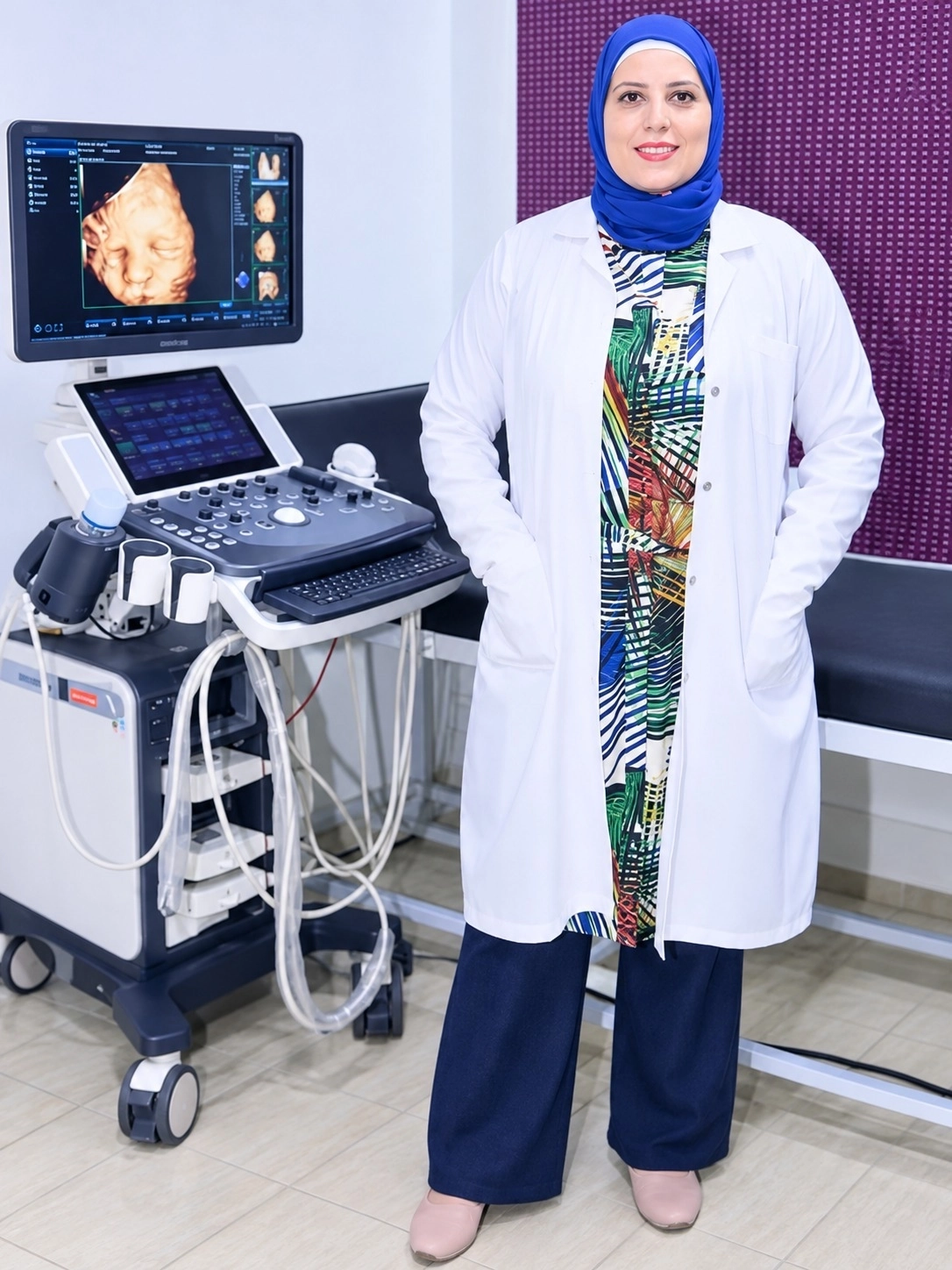

Published on: 2026-11-11 | Written by: Dr. Bushra Rabie – Obstetrics and Gynecology
Endometriosis is one of the gynecological conditions that can affect a woman's health and quality of life. It occurs when tissue similar to the lining of the uterus grows outside the uterine cavity, potentially affecting the ovaries, fallopian tubes, or surrounding tissues. This may lead to inflammation, adhesions, and chronic pelvic pain. In some women, the condition may also affect fertility and the chances of becoming pregnant. Therefore, early diagnosis and choosing the appropriate treatment are important steps in managing the condition.
The treatment of endometriosis depends on several factors, including the severity of symptoms, the location and extent of the affected tissue, its impact on surrounding organs, and the woman's future pregnancy plans. Treatment options may include medication, hormonal therapy, or surgical intervention when necessary.
Dr. Bushra Rabie provides specialized services in the diagnosis and treatment of endometriosis, with a focus on evaluating each case and determining the most appropriate treatment approach, particularly for cases requiring surgical intervention using gynecological laparoscopy.
Gynecological laparoscopic surgery is one of the treatment methods used for endometriosis. It allows doctors to examine the pelvic area, identify the locations of endometrial lesions and adhesions, and remove affected tissue when appropriate, depending on the patient's condition.
Laparoscopic procedures are performed through small abdominal incisions using a camera and specialized surgical instruments. They may help reduce incision size, postoperative pain, and recovery time compared to some traditional surgical procedures.
The aim of surgery is to remove endometriotic lesions and treat adhesions while preserving reproductive organs and fertility as much as possible, especially for women who wish to become pregnant in the future.
Symptoms of endometriosis vary from one woman to another depending on the location and extent of the affected tissue. Common symptoms that may indicate the condition include:
Severe menstrual cramps and pain during menstruation.
Chronic lower abdominal and pelvic pain.
Pain during sexual intercourse.
Pain during urination or bowel movements, particularly during menstruation.
Heavy menstrual bleeding or irregular bleeding.
Bloating and digestive disturbances.
Delayed pregnancy or fertility difficulties in some cases.
Some women may experience no obvious symptoms. Therefore, consulting an obstetrics and gynecology specialist is recommended when experiencing recurrent pain or unusual symptoms that require medical evaluation.
Not all cases of endometriosis require surgery. The decision to proceed with surgical intervention depends on the patient's condition and response to medication. Surgery may be recommended in certain cases, including:
Persistent severe pelvic pain despite medical treatment.
The presence of ovarian endometriomas (endometriosis-related ovarian cysts).
Adhesions affecting the reproductive organs.
Extensive endometriotic tissue affecting surrounding organs.
Fertility-related problems that require evaluation for possible surgical intervention.
Lack of response to other appropriate treatment options.
The appropriate surgical approach is determined after a medical examination and the necessary imaging and investigations, while discussing the potential benefits, risks, and possible effects of surgery on fertility.
Early diagnosis helps identify the nature and extent of the condition and determine the appropriate treatment plan before symptoms worsen or complications related to adhesions develop. Medical evaluation includes reviewing symptoms and medical history, in addition to transvaginal ultrasound or MRI when necessary. In some cases, diagnostic laparoscopy may also be considered.
The treatment plan also varies according to the woman's pregnancy plans, taking into consideration the potential effects of medication or surgical intervention on fertility and ovarian function.
Dr. Bushra Rabie provides specialized services in Obstetrics and Gynecology, with a particular focus on gynecological laparoscopic surgery. Her academic qualifications include a Master's Degree in Obstetrics and Gynecology, a British Fellowship in Obstetrics and Gynecology, and a Diploma in Fetal Medicine, in addition to her experience in laparoscopic procedures.
Her areas of interest include the diagnosis and treatment of endometriosis and managing cases that require laparoscopic surgical intervention, while considering each patient's individual condition and aiming to preserve fertility and reproductive organs whenever medically possible. She also focuses on developing an appropriate treatment plan following a thorough examination and medical assessment.