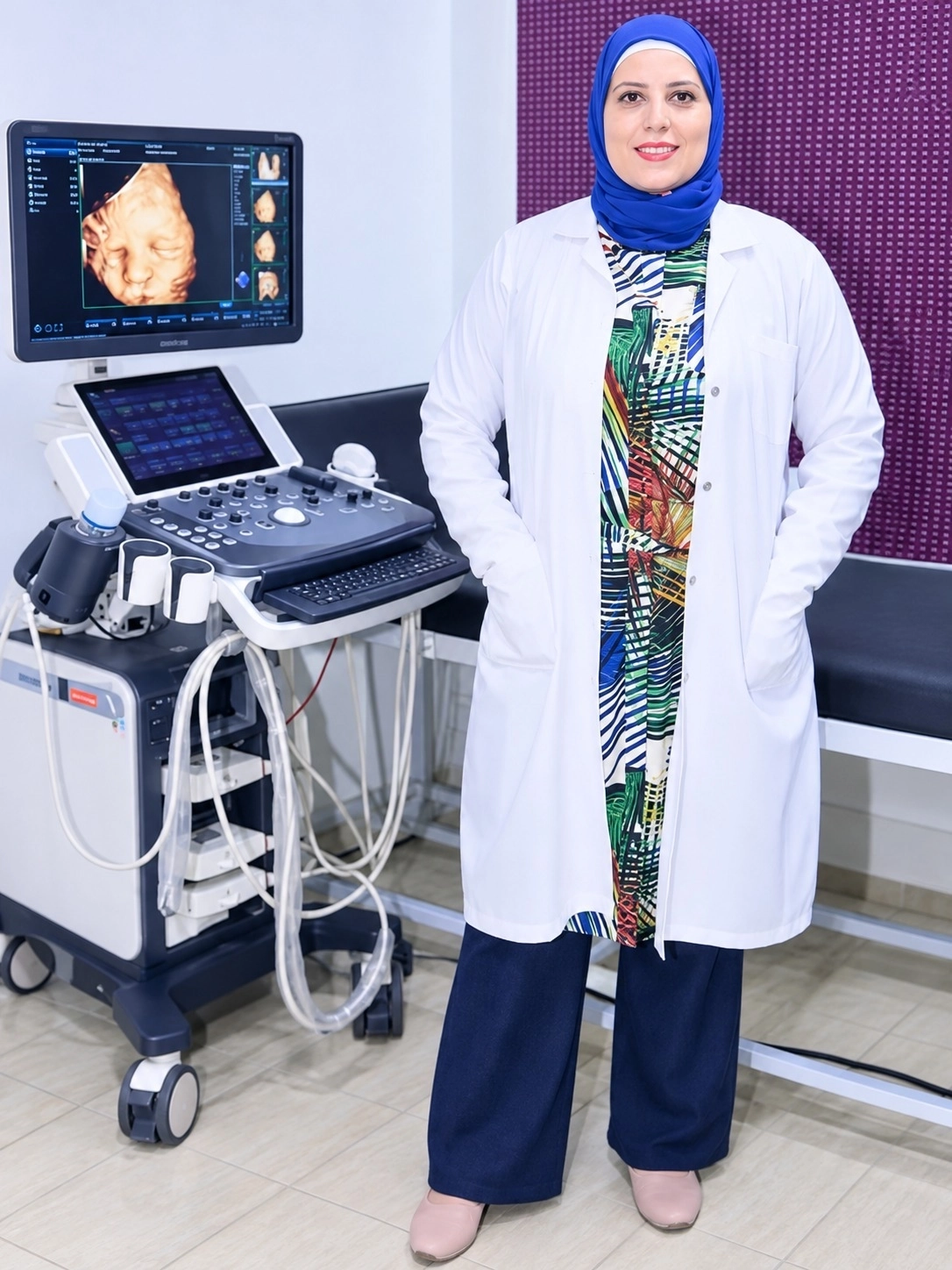

Published on: 2026-11-11 | Written by: Dr. Bushra Rabie – Obstetrics and Gynecology
Uterine fibroids are among the most common gynecological conditions that may affect women's health and quality of life. They can cause symptoms such as heavy menstrual bleeding, pelvic pain, and a feeling of pressure in the lower abdomen. In some cases, they may also affect a woman's chances of becoming pregnant. With advances in obstetrics and gynecological surgery, many uterine fibroids can now be removed while preserving the uterus, without the need for a complete hysterectomy, depending on the size, location, and number of fibroids, as well as the patient's overall health.
Uterine fibroid removal while preserving the uterus is an important surgical option for women who need fibroids removed but wish to retain their uterus, particularly those planning to become pregnant in the future. The procedure aims to remove the fibroids while preserving as much healthy uterine tissue as possible, according to the patient's condition and medical assessment.
Dr. Bushra Rabie provides specialized services in gynecological laparoscopic surgery and uterine fibroid removal, focusing on selecting the most appropriate surgical approach for each case and preserving the uterus whenever medically possible.
Gynecological laparoscopic surgery is used to treat many cases of uterine fibroids. It involves specialized surgical instruments inserted through small incisions or through hysteroscopy, depending on the location and characteristics of the fibroid.
Laparoscopic fibroid removal may help reduce incision size, minimize postoperative pain, and shorten recovery time compared to some traditional surgical procedures. However, outcomes vary depending on the patient's condition and the type of surgical intervention performed.
The need for surgical intervention varies from one woman to another. Not all uterine fibroids require removal, but surgery may be recommended in certain cases, including:
Heavy menstrual bleeding and recurrent bleeding caused by uterine fibroids.
Persistent pelvic pain or pressure.
Enlarging fibroids that affect nearby organs.
Fibroids that distort the uterine cavity.
Fibroids associated with certain fertility problems or recurrent miscarriages, after evaluating other possible causes.
Symptoms that negatively affect daily life and overall health.
Preserving the uterus is particularly important for many women, especially those who wish to have children in the future. Therefore, removing the fibroid alone without performing a complete hysterectomy may be an appropriate treatment option for selected cases.
Dr. Bushra Rabie carefully evaluates the size and location of fibroids and their impact on the uterus to determine whether they can be removed while preserving the uterus, and to select the most suitable surgical technique for each patient.
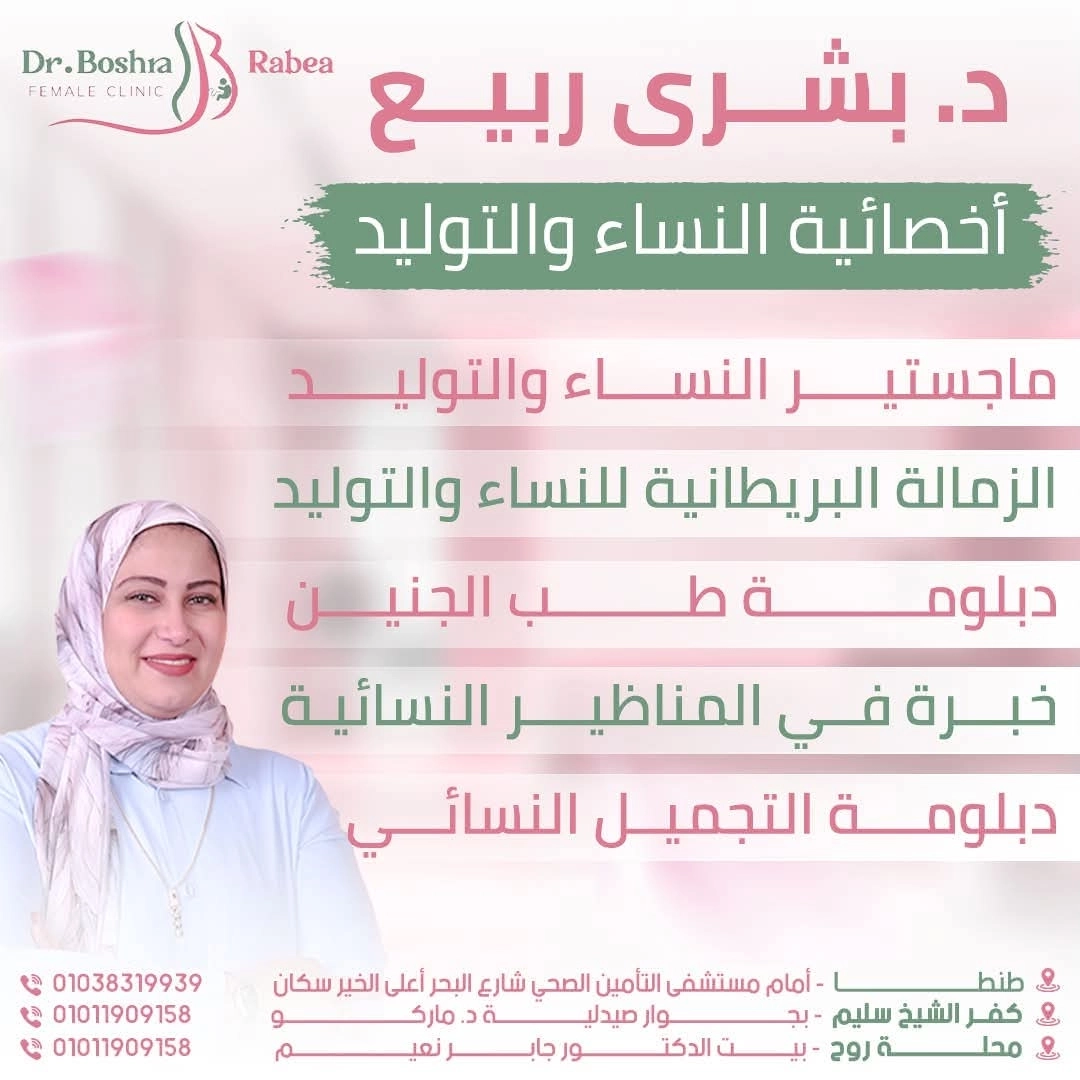
Dr. Bushra Rabie provides specialized obstetrics and gynecology services, with a particular focus on gynecological laparoscopic surgery. Her academic qualifications include a Master's Degree in Obstetrics and Gynecology, a British Fellowship in Obstetrics and Gynecology, and a Diploma in Fetal Medicine, in addition to her experience in laparoscopic procedures.
Her areas of interest include laparoscopic uterine fibroid removal and the treatment of gynecological conditions requiring surgical intervention, with an emphasis on preserving the uterus whenever medically appropriate and determining the most suitable treatment plan for each woman following a thorough examination and medical assessment.