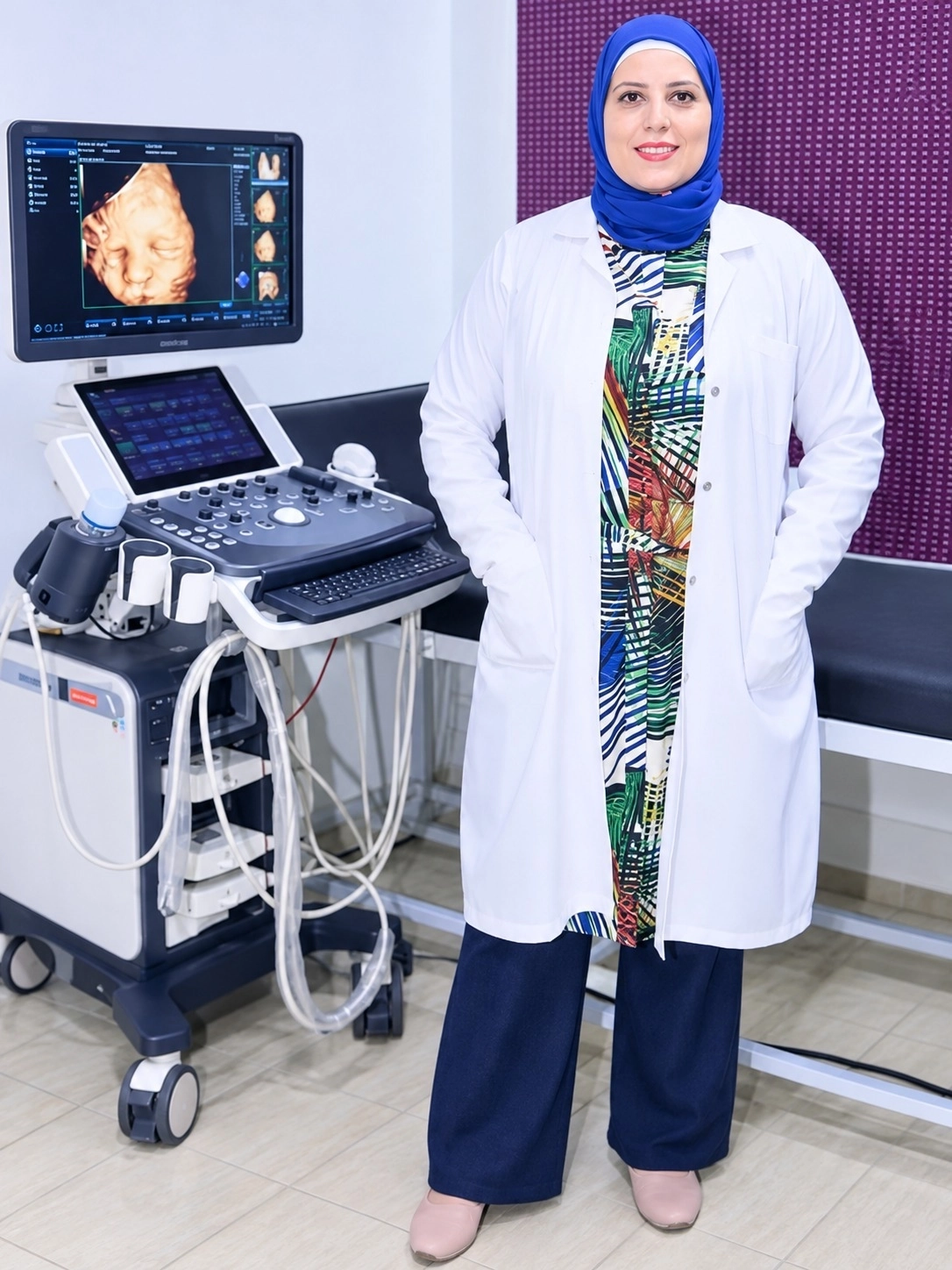

Published on: 2026-11-10 | Written by: Dr. Mohamed Mamdouh Thabet, Lecturer of Obstetrics and Gynecology

the importance of pregnancy follow-up and monitoring the health of both mother and baby with Dr. Mohamed Mamdouh Thabet, Lecturer and Consultant of Obstetrics and Gynecology at Kasr Al Ainy and Member of the Royal College of Obstetricians and Gynaecologists (RCOG), London. Discover the essential examinations and tests needed throughout pregnancy.
Pregnancy follow-up is one of the most important steps every pregnant woman should take from the moment she discovers she is pregnant until delivery. Regular prenatal visits are not simply routine appointments; they are essential for monitoring the mother's health, tracking the baby's growth, and identifying any potential complications throughout pregnancy.
Regular medical checkups help detect pregnancy-related health problems early, allowing the doctor to evaluate the condition and recommend the appropriate care. They also help monitor the baby's development and ensure that growth is progressing normally.
With Dr. Mohamed Mamdouh Thabet, Lecturer and Consultant of Obstetrics and Gynecology at Kasr Al Ainy and Member of the Royal College of Obstetricians and Gynaecologists (RCOG), London, pregnancy follow-up focuses on monitoring the health of both mother and baby throughout every stage of pregnancy.
Every pregnant woman needs regular medical checkups, even if she feels healthy and does not experience unusual symptoms. Some pregnancy-related complications may develop without noticeable symptoms during their early stages.
The benefits of regular pregnancy follow-up include:
The medical needs of both mother and baby change throughout pregnancy. Therefore, prenatal care is generally divided into three main stages.
The first trimester is one of the most important stages of pregnancy. During this period, the baby's organs begin to form and develop, while the mother's body undergoes significant hormonal and physical changes.
At this stage, the doctor focuses on confirming that the pregnancy is developing normally and is located inside the uterus.
Prenatal care may include:
These examinations help identify potential problems early and establish an appropriate pregnancy follow-up plan.
The second trimester extends from the fourth month through the end of the sixth month. It is an important period for monitoring the baby's growth and the development of different organs.
Medical follow-up may include:
These examinations help evaluate fetal development and identify certain congenital abnormalities or conditions that may require additional monitoring.
The third trimester begins in the seventh month and continues until delivery. During this stage, monitoring the health of both mother and baby becomes increasingly important as the delivery date approaches.
The doctor focuses on:
Regular checkups during this stage help prepare the mother for childbirth and reduce the risk of preventable complications.
Ultrasound is one of the most important tools used in pregnancy follow-up. It allows the doctor to examine the baby inside the uterus and evaluate growth and development at different stages.
Ultrasound can help with:
The doctor determines the appropriate type and timing of each ultrasound based on the gestational age and the health of both mother and baby.
Pregnant women may need several laboratory tests depending on the stage of pregnancy, medical history, and individual health condition.
Common tests may include:
The doctor determines which tests are necessary for each woman, as not all pregnant women require the same examinations.
Certain symptoms during pregnancy should never be ignored, as they may indicate a condition requiring urgent medical evaluation.
Important warning signs include:
If any of these symptoms occur, seek urgent medical evaluation rather than waiting for the next scheduled appointment.