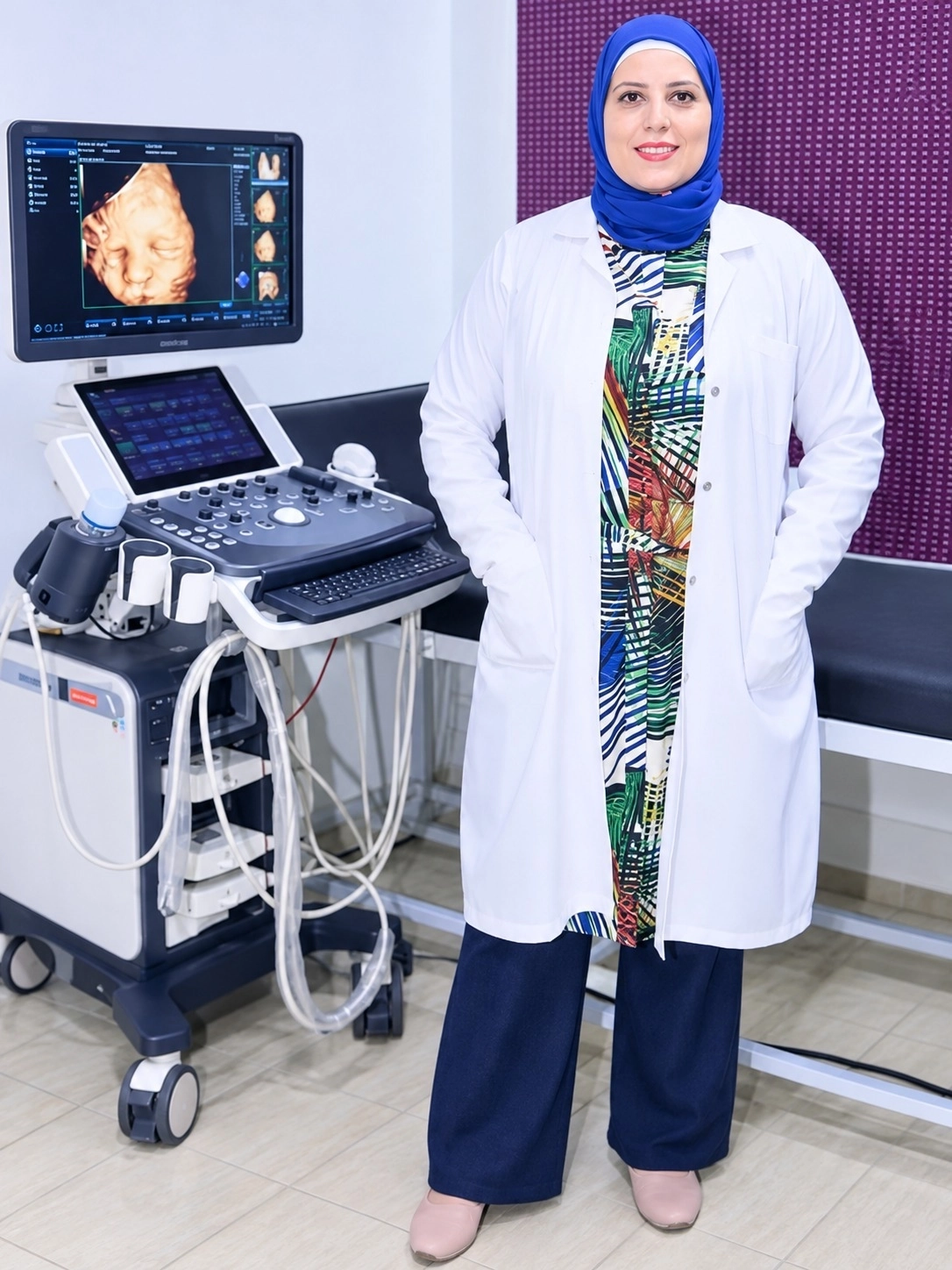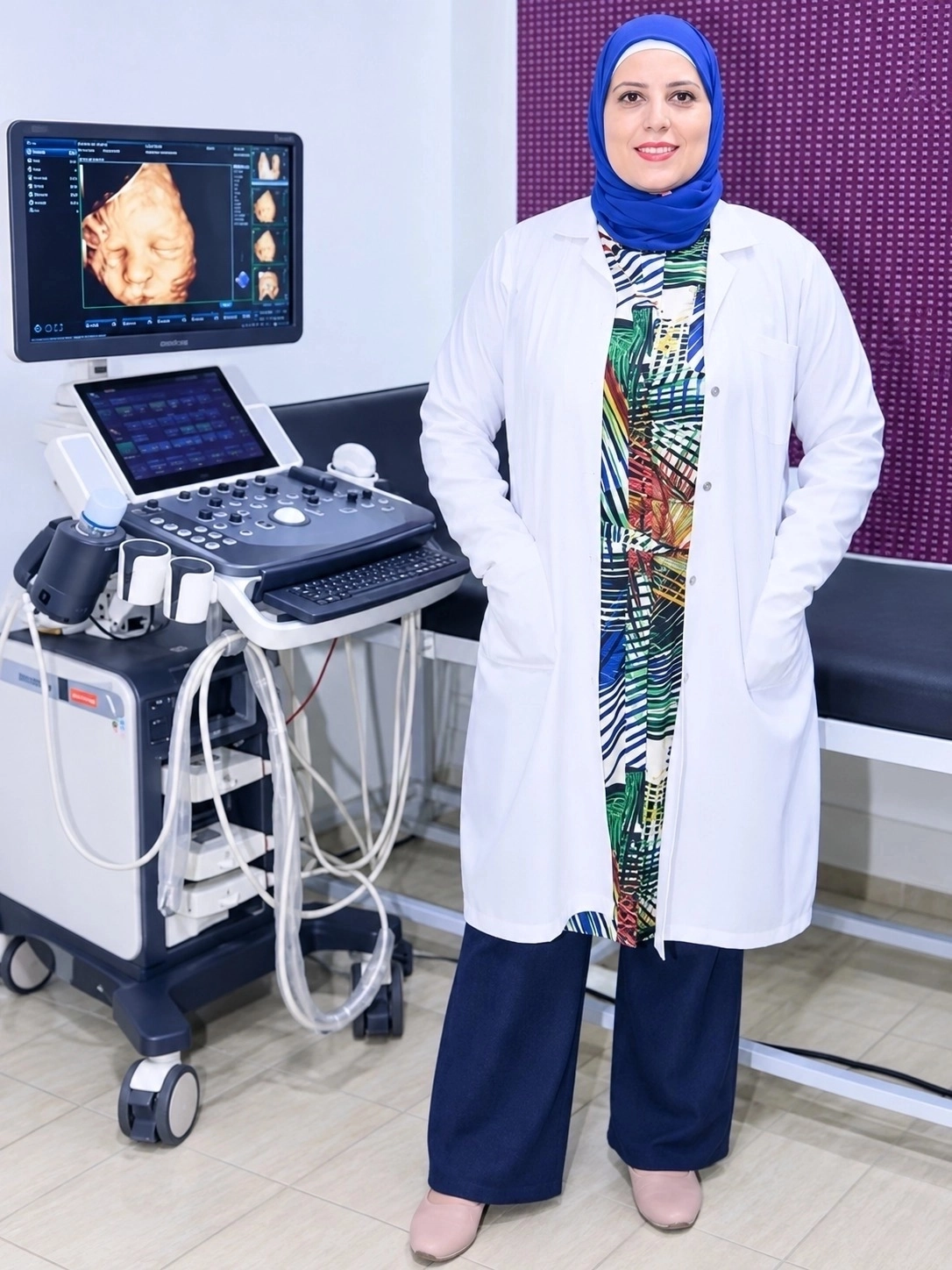

Published on: 2026-11-10 | Written by: Dr. Aya Nour Obstetrics and Gynecology Specialist
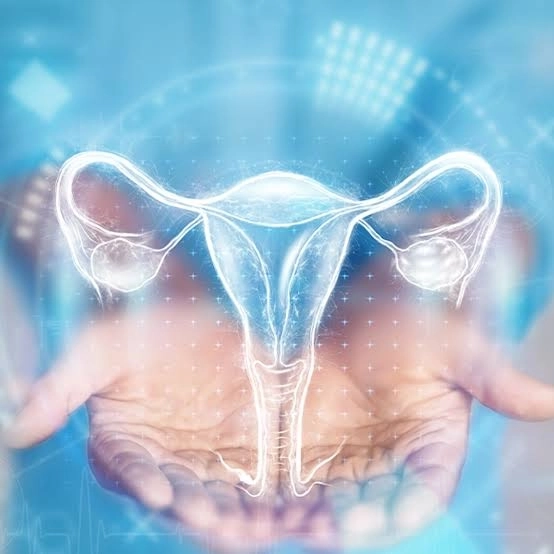
Women's health and gynecological disorders represent a foundational pillar of overall health as well as physical and psychological well-being. They encompass a broad spectrum of health conditions affecting the female reproductive system (ovaries, uterus, fallopian tubes, vagina, and breasts). These disorders range from hormonal imbalances, ovarian cysts, and uterine fibroids to bacterial and viral infections, as well as endometriosis. Managing these conditions requires deep insight and early, precise diagnosis to prevent future complications and ensure a healthy quality of life for women across all stages of life.
1. What Are Gynecological Disorders and What Are Their Therapeutic and Preventive Goals?
Modern gynecological care aims to diagnose and treat hormonal and anatomical disorders early, restore functional balance to the reproductive system, and prevent chronic complications.
Dr. Aya Nour clarifies that prioritizing women's health and undergoing regular checkups serve as the primary line of defense for detecting diseases in their early stages. She notes that awareness of early symptoms accelerates treatment plans and ensures excellent, safe outcomes.
Health and Biological Dimensions of Gynecological Care:
Regulating Hormonal Balance: Regulating the menstrual cycle and managing symptoms of endocrine disorders related to fertility.
Managing Benign Tumors and Masses: Medical or surgical management of bothersome uterine fibroids and ovarian cysts.
Treating Infections and Chronic Inflammations: Eliminating pathogens and protecting reproductive tissues from damage or blockage.
Preventing Fertility Complications: Safeguarding reproductive organs to ensure readiness for future pregnancy and childbearing.
2. Key Modern Technologies and Methods Used in Diagnosing and Treating Gynecological Disorders
Obstetrics and gynecology have witnessed remarkable technological leaps, characterized by the use of advanced endoscopy, 3D/4D ultrasound imaging, and modern laser therapies.
Dr. Aya Nour points out that introducing diagnostic and operative hysteroscopy and laparoscopy has truly revolutionized the treatment of gynecological disorders without open surgery, significantly reducing recovery times and patient discomfort.
Key Approved Technologies and Devices:
Advanced Hysteroscopy and Laparoscopy: Removing fibroids, detaching adhesions, and treating endometriosis with extreme precision.
High-Resolution 3D/4D Ultrasound: Evaluating the uterine cavity and ovaries to detect tumors or cysts with high accuracy.
Therapeutic and Aesthetic Vaginal Laser Procedures: Treating vaginal dryness, laxity, and mild stress urinary incontinence non-surgically.
Advanced Genetic and Hormonal Assays: Identifying root causes of menstrual irregularities and subfertility.
3. Steps and Stages of the Evaluation and Treatment Plan in the Gynecological Clinic
Gynecological cases undergo a rigorous, structured medical protocol starting with a comprehensive clinical evaluation and concluding with routine recovery checkups.
Dr. Aya Nour advises scheduling annual checkups and routine Pap smears regularly, emphasizing that an integrated health assessment ensures a customized, effective treatment plan tailored to each patient.
Stages and Protocol of Treatment and Follow-Up:
Clinical Diagnosis and Medical History: Thoroughly studying symptoms, menstrual cycle regularity, and family medical history.
Laboratory and Diagnostic Imaging: Performing hormone panels, complete blood counts, and pelvic or transvaginal ultrasounds.
Establishing the Treatment Plan: Choosing between medical hormone therapy, endoscopic interventions, or specialized surgical procedures.
Medical Intervention and Implementation: Carrying out necessary treatments in a sterile medical environment under the highest safety standards.
Periodic Recovery Follow-Up: Monitoring body response to treatment and evaluating progress regularly.
4. Care Guidelines and Lifestyle Advice to Support Women's Health and Sustainable Recovery
A balanced, healthy lifestyle plays a essential role in boosting immunity and reducing the likelihood of developing chronic gynecological conditions.
Dr. Aya Nour stresses that maintaining an ideal weight, avoiding constant stress, and prioritizing proper nutrition represent the fundamental support system for hormonal stability and reproductive health.
Healthy Lifestyle and Preventive Care Recommendations:
Following a Nutrient-Rich Diet: Focusing on vegetables, fruits, and whole grains to support general wellness.
Maintaining Proper Personal Hygiene: Using balanced, mild, natural washes to preserve optimal vaginal microflora balance.
Engaging in Regular Physical Exercise: Improving blood circulation and alleviating menstrual cramps and discomfort.
Avoiding Smoking and Emotional Stress: Protecting the endocrine system from disruption caused by stress and toxins.
Committing to Early Screening and Regular Checkups: Visiting your physician immediately upon noticing abnormal symptoms such as sudden pain or unusual bleeding.
5. Golden Rules to Ensure Stable Health and Prevent Gynecological Disorders
Never Ignore Unusual Symptoms: Consult your physician immediately if you experience severe pain or changes in menstrual timing or flow.
Strictly Adhere to Prescribed Medications and Instructions: Take medications and antibiotics as scheduled without interruption.
Maintain Annual Preventive Checkups: Undergo routine ultrasounds and general health checkups regularly.
Maintain Ongoing Follow-Ups with Your Specialist:
Dr. Aya Nour emphasizes in her concluding guidance that a woman's awareness of her reproductive health and early detection of issues are the true keys to a healthy, happy life. She confirms that adhering to medical guidance and maintaining continuous communication with your attending physician are the ultimate guarantees for overcoming health challenges and enjoying a safe, stable life.