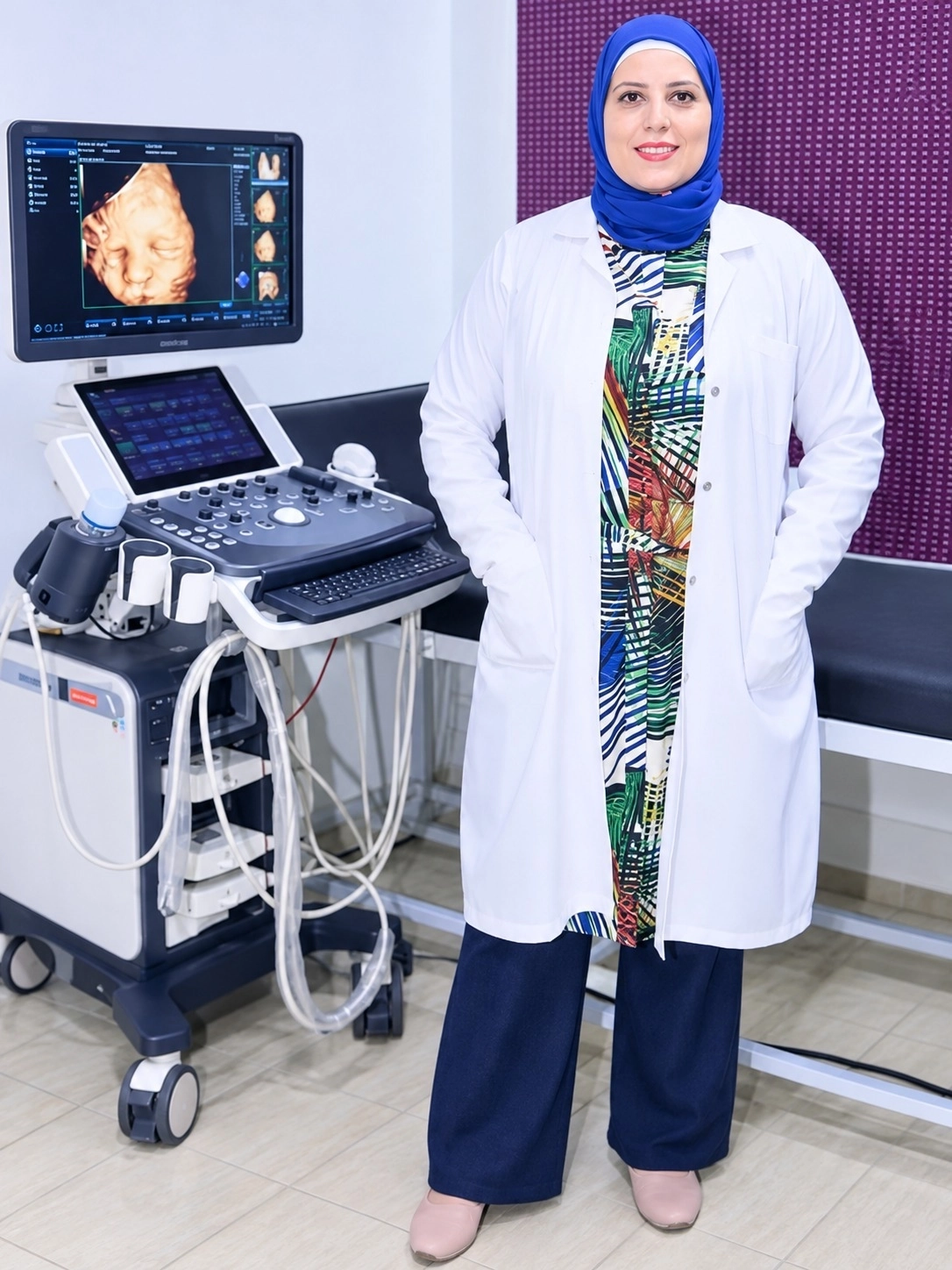

Published on: 2026-11-10 | Written by: Dr. Aya Nour Obstetrics and Gynecology Specialist

Infertility treatment and reproductive medicine represent one of the most vital and precise contemporary medical specialties that offer hope to many couples seeking to fulfill their dream of parenthood. Medically, delayed conception is defined as the inability to achieve pregnancy despite regular, unprotected intercourse for one full year (or 6 months if the female partner is over the age of 35). The underlying factors behind this condition are diverse, encompassing female-factor causes (such as ovulatory disorders, fallopian tube blockages, and polycystic ovary syndrome), male-factor causes (such as poor sperm quality or motility), as well as cases classified under unexplained infertility. These cases demand a precise diagnostic evaluation followed by an integrated treatment plan specifically tailored to each couple's health status.
Modern infertility management programs aim to correct hormonal imbalances, repair anatomical barriers in the reproductive system, and stimulate natural fertility rates or utilize assisted reproductive technologies (ART) to ensure successful pregnancy outcomes.
Dr. Aya Nour clarifies that the success of infertility treatment protocols primarily relies on early, combined diagnostic evaluation of both partners, noting that identifying the root cause accurately saves significant time and maximizes safe pregnancy rates.
Stimulating and Regulating Ovulatory Efficiency: Correcting hormonal variations to ensure the production of mature, high-quality oocytes.
Treating Anatomical Blockages and Adhesions: Clearing fallopian tubes and sanitizing the uterine cavity to facilitate gamete interaction.
Improving Male Fertility and Semen Parameters: Regulating hormones and managing inflammation to boost sperm count and motility.
Preparing the Endometrium for Implantation: Supporting blood perfusion and endometrial thickness to ensure embryo implantation and stability.
Reproductive medicine and IVF technology have witnessed an immense technological revolution, offering innovative therapeutic solutions for even the most complex cases of delayed conception using state-of-the-art laboratory equipment.
Dr. Aya Nour points out that introducing advanced techniques—such as AI-assisted Intracytoplasmic Sperm Injection (ICSI), Preimplantation Genetic Testing (PGT), and time-lapse smart incubators—has elevated pregnancy success rates to unprecedented levels.
Intracytoplasmic Sperm Injection and In Vitro Fertilization (ICSI & IVF): Injecting a single sperm directly into a mature egg within a highly sterile laboratory environment.
Preimplantation Genetic Testing (PGT-A): Screening embryonic chromosomes for genetic health prior to uterine transfer to prevent inherited disorders.
Intrauterine Insemination (IUI): Processing and concentrating semen samples for direct intrauterine injection timed precisely with ovulation.
Diagnostic Hysteroscopy and Laparoscopy: Removing fibroids, uterine septa, and treating endometriosis with minimal surgical intervention.
Cases of delayed conception undergo a rigorous, structured medical protocol beginning with comprehensive screenings and concluding with precise monitoring of fertilization and pregnancy stages.
Dr. Aya Nour advises conducting baseline hormonal panels, ovarian reserve ultrasonography (AMH), and semen analysis promptly once the defined timeframe passes without pregnancy, emphasizing that an effective treatment plan is built on accurate, customized findings for each case.
Clinical Diagnosis and Initial Screening: Taking a detailed medical history and evaluating menstrual cycle regularity.
Laboratory and Imaging Diagnostics: Conducting hormone assays, hysterosalpingography (HSG), and pelvic/ovarian evaluation.
Formulating the Appropriate Treatment Path: Selecting between medical hormone therapy, minimally invasive endoscopic procedures, or assisted reproductive technology (ART).
Ovarian Stimulation and Egg Retrieval: Precisely tracking follicular development and retrieving eggs at the optimal time for fertilization.
Early Pregnancy Support and Monitoring: Providing necessary hormonal support and tracking quantitative hCG levels and embryonic growth via ultrasound.
A balanced, healthy lifestyle plays a fundamental role in enhancing body responsiveness to treatments and boosting gamete quality.
Dr. Aya Nour stresses that avoiding emotional stress, prioritizing antioxidant-rich nutrition, and maintaining an ideal weight represent the core pillars supporting fertility and protocol success.
Adopting an Antioxidant-Rich Diet: Focusing on fresh vegetables, fruits, nuts, and healthy fish.
Maintaining a Healthy and Balanced Weight: Combating obesity or severe underweight status to regulate ovarian response and hormonal balance.
Absolute Abstention from Active and Passive Smoking: Protecting reproductive cells from oxidative damage and functional decline.
Managing Psychological Stress and Anxiety: Practicing relaxation and deep breathing exercises to lower stress hormones that affect ovulation.
Adhering to Prescribed Nutritional Supplements: Taking folic acid and fertility-enhancing vitamins under direct medical supervision.
Strict Adherence to Medication Dosing Schedules: Taking fertility stimulants and trigger injections at exact hourly times.
Cultivating Patience and Avoiding Constant Stress: Allowing the body and hormonal cycle adequate time to respond and adapt.
Attending Scheduled Ultrasound and Follow-Up Appointments: Never skipping follicular tracking sessions or required periodic checks.
Maintain Ongoing Follow-Ups with Your Specialist:
Dr. Aya Nour emphasizes in her concluding guidance that immense medical progress in reproductive sciences has transformed the dream of parenthood into an achievable reality for many, confirming that early diagnosis, strict adherence to medical guidance, and continuous communication with your attending physician are the surest paths to achieving hope and building a happy, stable family.