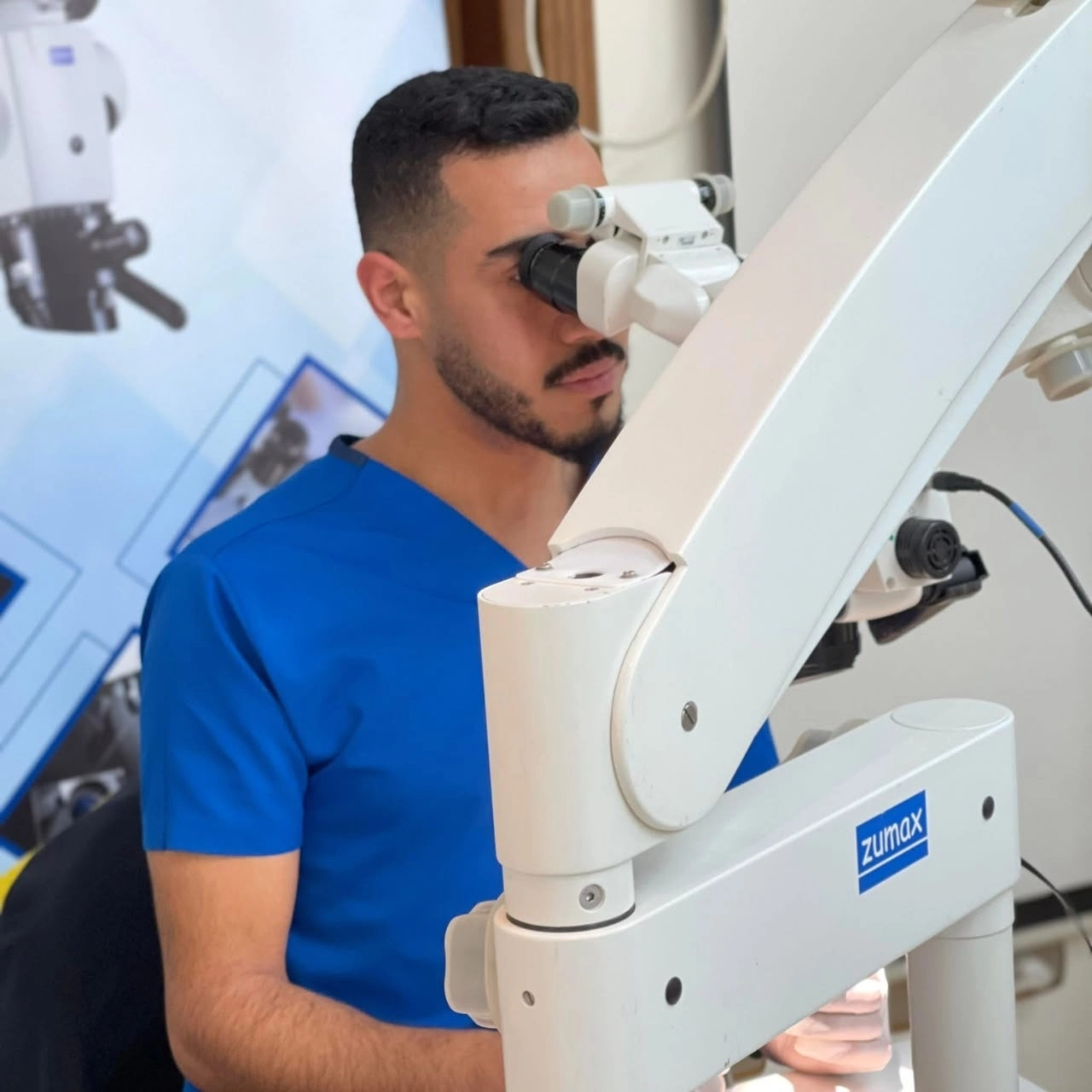

Published on: 2026-11-08 | Written by: Dr. Islam Abu Khalil – Dental Treatment, Aesthetics
Discover everything you need to know about dental implants in Alexandria, including their benefits, procedure stages, and essential aftercare tips with Dr. Islam Abu Khalil, specializing in dental treatment, cosmetic dentistry, and dental implants in Sidi Gaber, Alexandria.
Dental implants are considered one of the most advanced modern solutions for replacing missing teeth. They help restore dental function, improve the appearance of your smile, and support overall oral health.
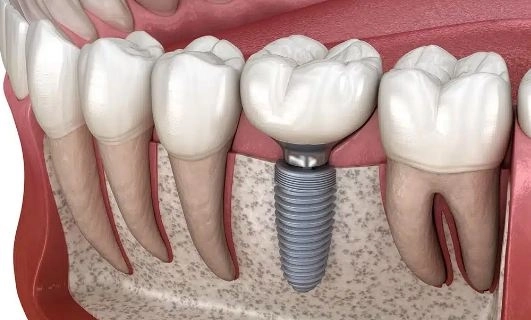
Dental implant treatment involves placing a medical-grade implant into the jawbone to act as an artificial tooth root. A replacement tooth is then attached to the implant to restore the appearance and function of the missing natural tooth.
Dental implants provide a fixed solution for missing teeth. They can improve chewing ability, support speech, and create a natural-looking, harmonious smile.
If you are looking for a dental implant dentist in Alexandria, Dr. Islam Abu Khalil specializes in dental treatment, cosmetic dentistry, and dental implants at his clinic in Sidi Gaber.
Missing teeth do not only affect the appearance of your smile; they can also affect chewing and speaking abilities and may lead to changes in the jawbone and surrounding teeth over time.
Dental implants help replace missing teeth and restore many of their natural functions.
Some of the main benefits of dental implants include:
Dental implants may be suitable for many people who have lost one or more teeth. However, eligibility depends on a dental examination and an assessment of the patient's oral health and jawbone condition.
People who may benefit from dental implants include:
The dentist must evaluate jawbone density, gum health, and the patient's general medical condition before recommending dental implant treatment.
Several factors contribute to the success and long-term stability of dental implants, including:
Smoking can negatively affect tissue healing and implant success. Therefore, patients should discuss smoking habits and other relevant health factors with their dentist before treatment.
Dental implant treatment involves several stages, which may vary depending on each patient's condition.
The process begins with a comprehensive examination of the mouth, teeth, and gums, along with an evaluation of the missing tooth area and jawbone condition.
The dentist may request a panoramic X-ray or a three-dimensional CBCT scan to assess bone dimensions and identify the location of important anatomical structures, such as nerves and sinuses.
If there are gum infections or problems with neighboring teeth, these conditions may need to be treated before implant placement.
In cases where the jawbone is insufficient, the patient may require bone grafting or a sinus lift, depending on the dentist's assessment.
The implant, usually made of titanium or another suitable medical-grade material, is placed into the jawbone to function as an artificial tooth root.
The procedure is generally performed under local anesthesia, depending on the treatment plan.
After implant placement, the implant needs time to integrate with the surrounding jawbone. This process is known as osseointegration.
The healing period varies from one patient to another, depending on bone quality, general health, and the location of the implant.
Once the implant has successfully integrated with the jawbone, the final dental crown is attached.
The crown is designed to match the color, shape, and size of the surrounding natural teeth, creating a balanced and natural-looking smile.
There are several dental implant techniques and treatment options. The appropriate method depends on the patient's jawbone condition and the number of missing teeth.
This method involves placing the implant into the jawbone and allowing sufficient time for osseointegration before attaching the final dental crown.
In selected cases, an implant can be placed immediately after tooth extraction. A temporary crown may also be attached on the same day if the bone and gum conditions and implant stability allow it.
Immediate dental implants are not suitable for every patient, and careful clinical evaluation is necessary before choosing this approach.
Some patients may benefit from computer-guided implant techniques, which help determine the precise position and angle of the implant.
In suitable cases, these techniques may reduce the need for extensive surgical incisions.
Dental implants and removable dentures differ in how they are supported, their comfort, and their daily use.
Dental Implants: