Published on: 2026-11-05 | Written by: Dr. Merit Elia Beshay Endocrinology
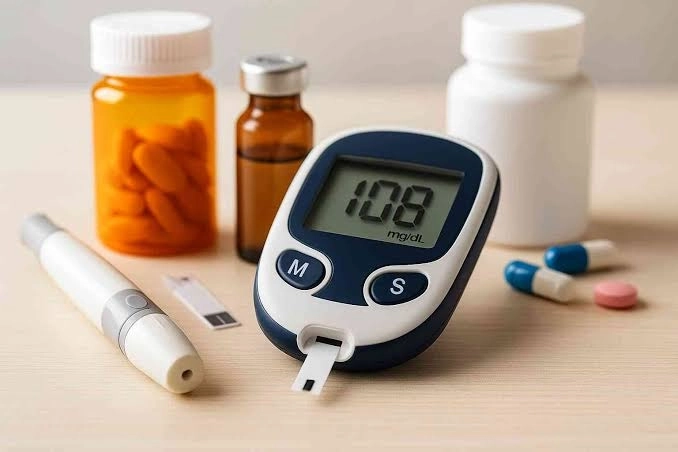
Diabetes Mellitus is one of the most widespread chronic conditions impacting the general health and quality of life for patients. It arises from a defect in the pancreas's ability to secrete adequate amounts of insulin, or from impaired cellular responsiveness to secreted insulin (insulin resistance). These disruptions lead to persistent elevations in blood glucose levels, exposing blood vessels, nerves, and vital organs to progressive damage. Managing diabetes requires an integrated treatment plan combining precise diagnosis, advanced pharmacological therapies, and behavioral modifications to control blood sugar levels and prevent long-term complications.
Modern diabetes management programs aim to keep blood glucose levels within or close to normal physiological ranges, restore metabolic balance, and prevent the deterioration of vascular and neurological functions.
Dr. Merit Elia Bishai clarifies that treating diabetes is not merely about lowering daily blood sugar readings; rather, it primarily targets protecting delicate organs—such as the eyes, kidneys, and peripheral nerves—from the cumulative effects of elevated glucose.
Controlling Glycated Hemoglobin (HbA1c): Reaching target levels to minimize long-term vascular risks.
Protecting Blood Vessels and Arteries: Preventing atherosclerosis and reducing the likelihood of heart attacks and strokes.
Improving Cellular Insulin Sensitivity: Reducing insulin resistance through targeted pharmacological and exercise mechanisms.
Preventing Renal Failure and Retinopathy: Regulating renal filtration and blood supply to the retina.
The field of diabetes and endocrinology has witnessed remarkable technological leaps, including continuous glucose monitoring systems, smart insulin pumps, and modern pharmacological agents targeting the intestines and kidneys.
Dr. Merit Elia Bishai points out that the introduction of Continuous Glucose Monitoring (CGM) devices and innovative modern medications—such as GLP-1 receptor agonists and SGLT2 inhibitors—has brought about a true revolution in regulating blood sugar, reducing weight, and protecting both the heart and kidneys simultaneously.
Continuous Glucose Monitoring (CGM) Devices: Microscopic skin-worn sensors measuring blood glucose around the clock without repeated fingersticks.
Smart Insulin Pumps: Delivering insulin with extreme precision according to the body's automated needs.
Smart Insulin Pens and Modern Medications: Weekly therapies and advanced injectables that prevent severe hypoglycemia while aiding weight management.
Periodic Digital Screening for Nerves and Retina: Peripheral nerve evaluation devices and ocular optical coherence tomography (OCT) for early detection of neuropathy and retinopathy.
Diabetes cases undergo a structured evaluation protocol tailored to the patient's health status, age, and type of diabetes (Type 1, Type 2, or Gestational Diabetes).
Dr. Merit Elia Bishai advises undergoing comprehensive screenings for HbA1c, kidney function, and blood lipid panels regularly every 3 to 6 months, emphasizing that periodically evaluating and adjusting the treatment plan ensures ongoing condition stability.
Clinical Diagnosis and Initial Assessment: Measuring random, fasting, and HbA1c glucose levels and evaluating symptoms.
Comprehensive Laboratory Tests: Evaluating liver and kidney functions, lipid panels, and microalbuminuria.
Determining the Tailored Treatment Path: Formulating a plan combining oral tablets, smart injectables, or insulin based on the specific condition type.
Health Education and Patient Training: Educating the patient on handling emergency hypoglycemic or hyperglycemic episodes.
Periodic Re-evaluation: Reviewing daily readings and digital reports to adjust medication dosages when necessary.
Adhering to a balanced healthy lifestyle forms the primary pillar for ensuring the success of any diabetes treatment protocol.
Dr. Merit Elia Bishai stresses that combining calculated nutrition, regular exercise, and adherence to medication schedules represents the golden triangle for total diabetes control and safe long-term management.
Following a Low Glycemic Index Diet: Focusing on vegetables, fiber, and healthy proteins, while avoiding refined sugars and carbonated drinks.
Engaging in Regular Physical Activity: Brisk walking for 30 minutes daily to improve cellular insulin sensitivity.
Meticulous Foot Care: Inspecting and moisturizing feet daily to protect against wounds and neuropathy (diabetic foot).
Managing Psychological Stress: Reducing stress hormone levels to maintain stable blood sugar.
Absolute Abstention from Smoking: Safeguarding arteries and blood vessels from dual compound damage.
Strict Adherence to Medication Schedules: Taking tablets or insulin injections according to a fixed schedule without missing doses.
Carrying a Fast-Acting Sugar Source: Always keeping glucose tablets or juice on hand to treat sudden hypoglycemia immediately.
Never Adjusting Dosages Independently: Consulting the treating specialist before making any changes to insulin or medication doses.
Maintain Ongoing Follow-Ups with Your Specialist:
Dr. Merit Elia Bishai emphasizes in her concluding guidance that diabetes has become a fully manageable condition today, confirming that early diagnosis, adherence to the treatment plan, and continuous communication with your physician are the surest path to protecting health and enjoying a safe, stable life.