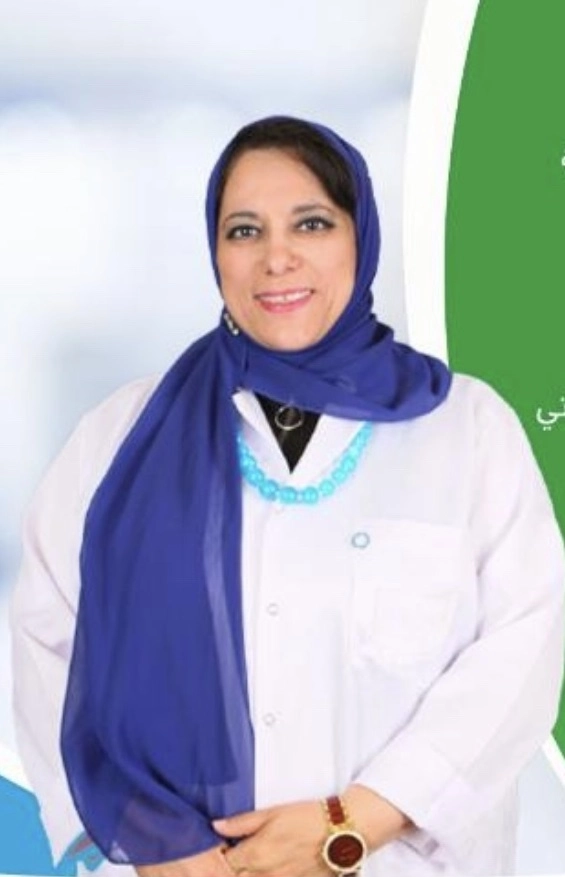
Published on: 2026-11-05 | Written by: Dr. Merit Elia Beshay Endocrinology
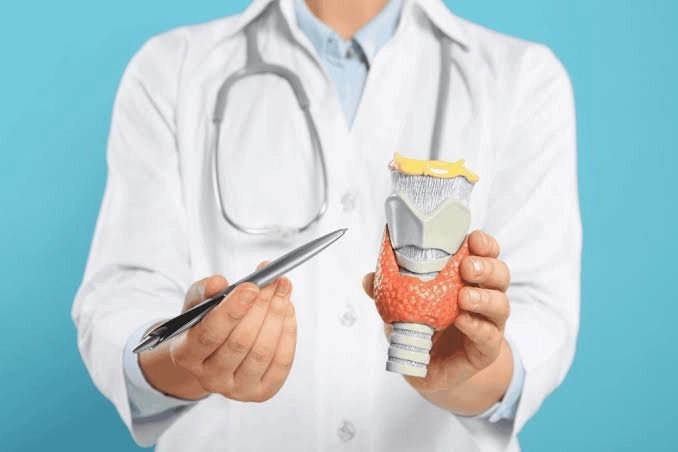
Endocrine system disorders are among the most interconnected medical conditions affecting the health and balance of all bodily systems. The endocrine system consists of a complex network of glands (such as the pituitary, thyroid, parathyroid, adrenal, pancreas, and gonads) that secrete hormones directly into the bloodstream to regulate vital processes, including metabolism, growth, sexual development, and the regulation of blood sugar and pressure. These disorders result from an increase or deficiency in hormone secretion, or due to the emergence of tumors (benign or malignant) that affect glandular function, requiring accurate diagnostic evaluation and specialized follow-up to restore hormonal balance and prevent long-term complications.
Medical care and evaluation plans for endocrine disorders aim to regulate blood hormone levels within normal physiological ranges, restore metabolic balance, and protect vital organs from the cumulative effects of hormonal dysfunction.
Dr. Merit Elia Bishai clarifies that managing endocrine diseases requires a comprehensive medical approach relying on microscopic and functional analysis of glandular secretions. She notes that early treatment is not limited to addressing visible symptoms such as chronic fatigue or weight fluctuations, but extends to protecting the efficiency of vital organs like the heart, liver, and kidneys.
Restoring Overall Hormonal Balance: Replacing hormonal deficiencies (such as thyroxine or insulin) or suppressing excessive secretion.
Regulating Metabolism and Energy Levels: Improving metabolic rates, managing weight, and maintaining blood glucose levels.
Protecting Bone and Tissue Health: Controlling parathyroid hormones and cortisol to prevent osteoporosis and muscle weakness.
Supporting Reproductive and Mental Health: Improving sex hormone balance to reduce menstrual irregularities, fertility issues, and chronic mood anxiety.
Endocrinology has witnessed remarkable technological leaps characterized by the use of high-precision hormonal assays, 3D digital imaging, and smart targeted medical therapies.
Dr. Merit Elia Bishai points out that utilizing modern diagnostic tools—such as radioimmunoassay testing and advanced nuclear scans for the thyroid and pituitary glands—enables specialists to detect minute foci and tumors early and determine the safest therapeutic protocol for the patient.
High-Precision Immunoassay Testing: Measuring the most delicate levels of free and bound hormones in the blood at various times of the day.
Magnetic Resonance Imaging and CT Scans (MRI & CT): High-precision evaluation of the pancreas, pituitary, and adrenal glands to detect enlargement or tumors.
Ultrasound and Fine-Needle Aspiration (FNA Ultrasound): Evaluating thyroid nodules and obtaining microscopic biopsies non-surgically.
Smart Pumping Systems and Hormone Replacement Therapy: Utilizing modern insulin pumps and targeted pharmaceuticals to regulate gland functions with extreme precision.
Endocrine disorder cases undergo a structured diagnostic and therapeutic protocol to identify the underlying causes of hormonal dysfunction and formulate the most appropriate treatment.
Dr. Merit Elia Bishai advises undergoing comprehensive periodic screenings when experiencing sudden, unexplained weight changes, rapid heart rate, or severe fluctuations in mood and energy levels, emphasizing that early diagnosis prevents serious complications like diabetic crises or acute hyperthyroidism.
Clinical Diagnosis and Initial Screening: Taking a detailed medical history, evaluating vital signs, and assessing the size and growth of visible glands.
Laboratory and Radiological Testing: Measuring baseline and stimulating hormones (such as TSH, ACTH, FSH) and performing necessary imaging studies.
Determining the Tailored Treatment Path: Choosing direct pharmacological therapy, radioactive iodine therapy, or surgical referral when masses or tumors are present.
Dose Titration and Response Monitoring: Adjusting hormone replacement therapy dosages based on periodic test results.
Continuous Evaluation and Relapse Prevention: Monitoring metabolic indicators and vital functions regularly to ensure sustained hormonal stability.
Daily lifestyle modifications form the primary foundation to ensure the success of hormonal treatment and the recovery of vital organs' efficiency.
Dr. Merit Elia Bishai stresses that adhering to a balanced diet, getting adequate sleep, avoiding psychological stress, and taking medications strictly on schedule represent the fundamental pillars for successfully controlling endocrine diseases.
Adopting a Comprehensive Balanced Diet: Focusing on foods rich in healthy proteins, fiber, and essential minerals like calcium and iodine, while avoiding refined sugars and saturated fats.
Engaging in Regular Physical Activity: Practicing moderate exercise to assist in regulating insulin levels and metabolic rates.
Managing Psychological Stress: Reducing the secretion of cortisol and adrenaline through relaxation and deep breathing exercises.
Absolute Abstention from Smoking: Protecting glandular cells and blood vessels from the direct harmful effects of toxic substances.
Regulating Sleep and Rest Hours: Obtaining 7 to 8 hours of quality nightly sleep to support natural hormone secretion during rest.
Strict Adherence to Hormone Medication Schedules: Taking medications (such as thyroid drugs) on an empty stomach or according to strict medical instructions.
Never Adjusting or Stopping Dosages Independently: Consulting the treating specialist prior to making any changes to hormone medication amounts or timing.
Conducting Periodic Screenings on Schedule: Regularly monitoring blood hormone levels to ensure precise medication dosing.
Maintain Ongoing Follow-Ups with Your Specialist:
Dr. Merit Elia Bishai emphasizes in her concluding guidance that endocrine disorders are fully controllable today thanks to modern diagnostic and therapeutic technologies, confirming that early diagnosis and continuous periodic follow-up are the ultimate safeguards for preserving general health and restoring vitality and quality of life.