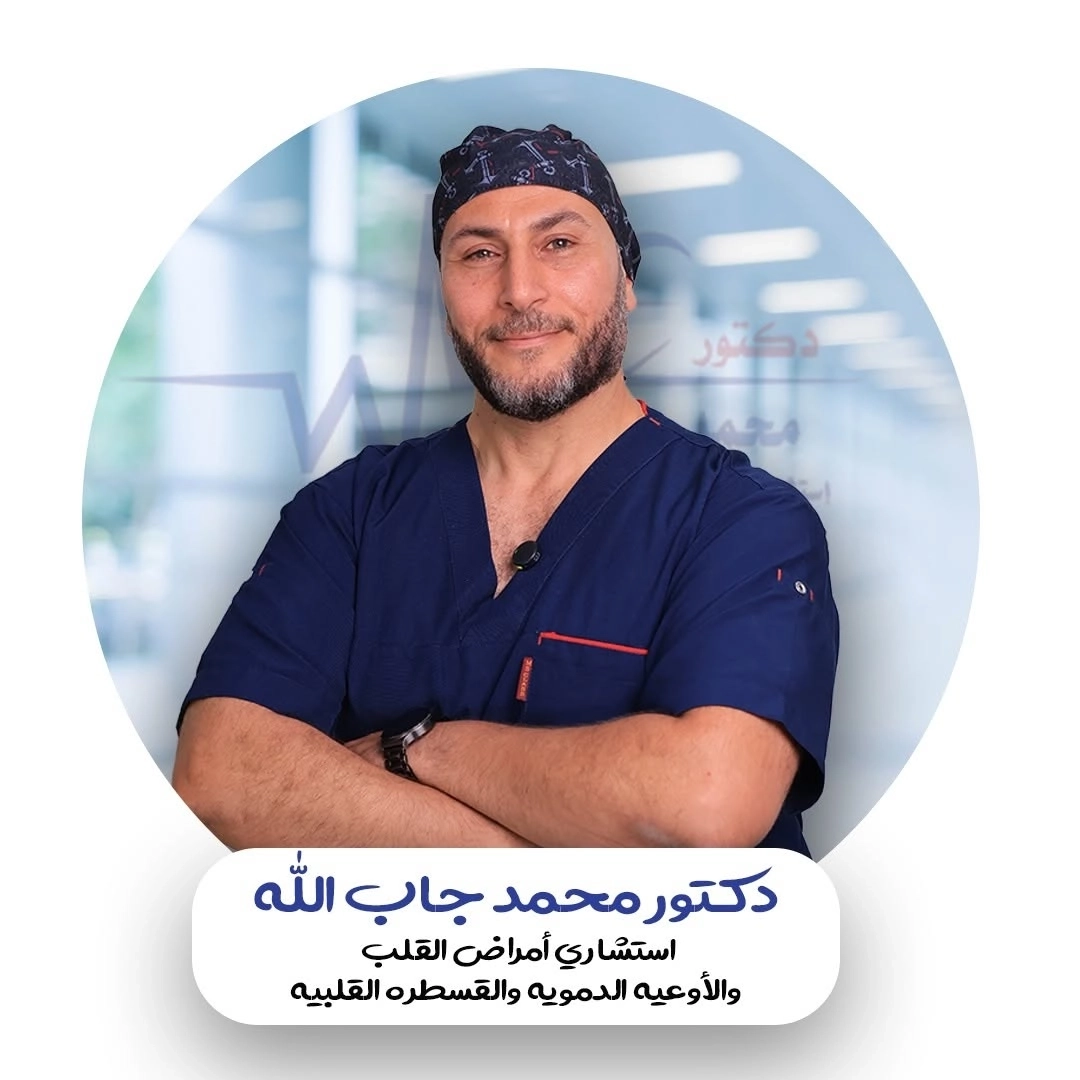

Published on: 2026-11-04 | Written by: Dr. Imad Fahmy Farag, Consultant Cardiologist

Preventing disease and maintaining cardiovascular health (Cardiovascular Health & Prevention) is the cornerstone of contemporary cardiology. The heart serves as the primary engine of the circulatory system, responsible for pumping oxygen and essential nutrients to all vital cells and organs throughout the body. Cardiovascular health is directly influenced by various biological and behavioral factors, such as dietary patterns, physical activity levels, emotional stress, and blood levels of pressure, glucose, and cholesterol. Prolonged negative lifestyle changes lead to the accumulation of fatty plaques within the coronary arteries and vascular stiffening, which significantly increases the risk of heart attacks and angina, making adherence to preventive guidelines an absolute necessity for preserving long-term cardiac vitality.
Educational and actionable cardiac care plans aim to minimize vascular risk factors, enhance the heart muscle's systolic and diastolic efficiency, and ensure smooth, unobstructed arterial blood flow.
Dr. Emad Fahmy Farag clarifies that preserving heart health does not require complex procedures as much as it demands a sustainable, daily commitment to a healthy lifestyle. He notes that early prevention begins with controlling vital indicators, such as blood pressure and triglyceride levels, long before any clinical symptoms appear.
Enhancing Coronary Artery Elasticity: Preventing the accumulation of harmful low-density lipoprotein (LDL) cholesterol and fatty deposits on blood vessel walls.
Supporting Heart Muscle Efficiency: Improving the heart's pumping capacity while alleviating the workload placed on cardiac chambers.
Preventing Arrhythmias and Blood Clots: Reducing the incidence of strokes and myocardial infarctions through optimized blood perfusion.
Maintaining Autonomic Nervous System Balance: Mitigating the adverse effects of elevated stress hormones (adrenaline and cortisol) on heart rate.
Preventive cardiology has witnessed remarkable technological advancements that allow for the early detection of cardiac risks prior to the onset of heart attacks or myocardial deterioration, thanks to high-precision digital diagnostics.
Dr. Emad Fahmy Farag points out that modern early screening tools—such as Coronary Artery Calcium (CAC) CT scoring and advanced multi-dimensional Echocardiography (ECHO)—enable specialists to design tailored preventive programs that safeguard patients against sudden cardiac events with the highest safety standards.
Echocardiography (ECHO): Evaluating valve movement, cardiac chamber size, and ejection fraction (EF) pumping efficiency.
Coronary CT Angiography: High-precision, non-invasive imaging of the coronary arteries to detect early calcifications and blockages.
Stress ECG (Treadmill Test): Measuring the heart's response and tolerance to physical exertion while detecting hidden coronary insufficiency.
Advanced Lipid Panel: Measuring micro-lipid particles and high-risk apolipoproteins.
Preserving heart health follows a structured evaluation and follow-up protocol that begins with a comprehensive clinical assessment and concludes with a personalized prevention and medication strategy.
Dr. Emad Fahmy Farag advises undergoing a comprehensive annual cardiac checkup for individuals over the age of forty, or earlier for those with a family history of coronary artery disease or risk factors such as diabetes.
Comprehensive Clinical and Digital Diagnosis: Measuring blood pressure, calculating Body Mass Index (BMI), and auscultating heart sounds and valves.
Periodic Laboratory Screenings: Evaluating glycated hemoglobin (HbA1c), total cholesterol, and low-density lipoproteins (LDL).
Electrocardiographic Evaluation: Performing a baseline ECG to detect tissue changes or electrical conduction abnormalities.
Determining Future Cardiovascular Risk: Calculating the risk percentage for vascular events using validated medical risk charts.
Formulating a Customized Preventive Strategy: Adjusting medication dosages and providing tailored dietary and exercise recommendations.
Daily lifestyle habits serve as the first line of defense in protecting the heart and blood vessels from damage and chronic strain.
Dr. Emad Fahmy Farag stresses that combining high-value balanced nutrition, regular physical activity, and complete smoking cessation forms the golden triad that protects heart tissue and ensures lasting vascular vitality.
Adopting a Heart-Healthy Diet: Emphasizing vegetables, fruits, nuts, and fish rich in Omega-3 fatty acids, while strictly limiting saturated fats and sodium.
Engaging in Regular Aerobic Exercise: Practicing brisk walking, swimming, or cycling for 150 minutes per week to strengthen the myocardium.
Absolute Abstention from Smoking: Completely quitting tobacco and e-cigarettes to protect the coronary arterial lining from damage and stiffening.
Managing Psychological Stress: Practicing relaxation techniques and deep breathing exercises to maintain healthy blood pressure levels.
Ensuring Adequate Restorative Sleep: Obtaining 7 to 8 hours of nightly sleep to allow bodily recovery and stabilize vital functions.
Strict Management of Chronic Conditions: Maintaining continuous control over blood glucose and blood pressure levels within normal target ranges.
Avoiding Excess Weight Gain: Maintaining a healthy weight and combating central obesity (abdominal fat) to reduce the workload on the heart.
Adhering to Prescribed Preventive Medications: Never discontinuing or altering dosages of blood pressure or cholesterol-lowering medications without medical consultation.
Continuous Follow-Up with Your Specialist:
Dr. Emad Fahmy Farag emphasizes in his concluding guidance that cardiac health is a direct investment in quality of life and longevity, confirming that early diagnosis, adherence to preventive instructions, and continuous communication with your attending physician form the true and reliable shield for protecting the heart and enjoying a healthy, safe, and stable life.