
Published on: 2026-11-03 | Written by: Heart and Chest Center
Coronary heart attacks and thrombosis are among the most dangerous and life-threatening medical emergencies. They result from an acute and sudden blockage in one of the coronary arteries supplying the heart muscle due to the rupture of an atherosclerotic plaque and platelet aggregation, which cuts off blood supply and oxygen, leading to damage to heart muscle cells (myocardial infarction). These critical conditions require extremely rapid pre-hospital and therapeutic medical intervention to open the blocked artery, restore blood perfusion, and minimize the volume of damaged tissue to the lowest possible level.
Emergency plans and advanced medical treatment for heart attacks aim to immediately dissolve or remove the blood clot causing the blockage, reopen the affected coronary artery, and protect the heart muscle from rupture or electrical arrest.
The Heart and Chest Center clarifies that managing heart attacks follows a strict time protocol known as "time is muscle," noting that rapid intervention within the first hours of symptom onset radically increases survival and complete recovery rates.
Immediate Restoration of Blood Perfusion: Opening the blocked coronary artery to restore blood and oxygen flow to heart cells.
Dissolving and Disintegrating Blood Clots: Utilizing medications, thrombolytics, or mechanical procedures to control the clot.
Limiting the Size of Myocardial Infarction: Preventing the extension of tissue damage and protecting the efficiency of the heart pump from failure.
Preventing Serious Electrical Complications: Preventing fatal heart rhythm disorders (such as ventricular fibrillation).
Emergency medicine and cardiology have witnessed astonishing technological leaps characterized by the expansion of primary percutaneous coronary intervention (Primary PCI), mechanical clot aspiration devices, and smart drug-eluting stents.
The Heart and Chest Center points out that advanced cardiac catheterization units have enabled physicians to access via the radial artery of the hand, aspirate the clot, and open the artery within mere minutes with the highest safety standards and without the need for open surgery.
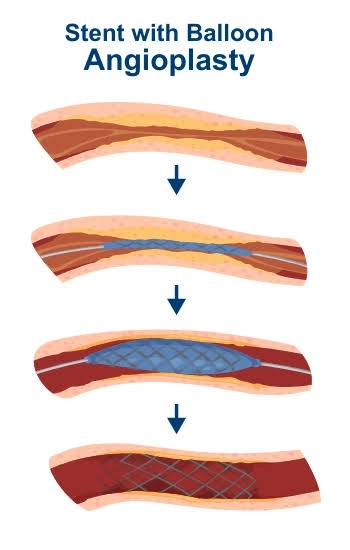
Primary Percutaneous Coronary Intervention (Primary PCI): Immediate intervention to dilate the artery with a balloon and deploy a drug-eluting stent to save the heart muscle.
Micro-Aspiration Catheters: Extracting large blood clots from within the coronary artery prior to stent placement.
Antiplatelet Medications and Thrombolytics: Administering potent drug compounds immediately upon the patient's arrival to prevent worsening thrombosis.
Intravascular Imaging (IVUS / OCT): Assessing the precision of arterial expansion and stent positioning to ensure re-blockage does not occur.
Heart attack cases undergo a sequential emergency and therapeutic protocol starting from reception in the emergency department until stabilization in the coronary care unit (CCU).
The Heart and Chest Center advises seeking emergency departments immediately upon experiencing a burning chest pain radiating to the shoulder or jaw accompanied by cold sweating, emphasizing that diagnosis via electrocardiogram and enzymatic tests immediately determines the catheterization intervention path.
Immediate Emergency Diagnosis: Performing an electrocardiogram (ECG) and cardiac enzyme tests (Troponin) within minutes of arrival.
Preparing the Emergency Catheterization Room: Transferring the patient directly to the catheterization unit under the supervision of an integrated medical team.
Opening the Artery and Stenting: Passing the catheter through the artery, dilating the clot site, and securing the drug-eluting stent.
Strict Monitoring in the Coronary Care Unit (CCU): Monitoring vital signs, cardiac electricity, and heart rhythm regularity for several days.
Patient Rehabilitation and Recovery Program: Initiating cardiac physical therapy and nutritional guidance programs prior to hospital discharge.
The convalescence and recovery period following a heart attack is a pivotal phase to stabilize arterial integrity and prevent any subsequent clots.
The Heart and Chest Center stresses that strict adherence to blood-thinning medications with extreme precision, complete smoking cessation, and controlling blood pressure and cholesterol represent the golden rules for a safe life after a heart attack.
Strict Adherence to Blood-Thinning Medications: Taking antiplatelets and anticoagulants on schedule without any compromise.
Absolute Abstention from Smoking and Tobacco Products: Protecting coronary arteries from repeated expansion and blockage.
Following a Heart-Healthy Diet: Sharply reducing saturated fats and sugars while relying on vegetables and fiber.
Regular Gradual Exercise: Initiating light walking according to medical guidance and avoiding sudden strenuous exertion.
Comprehensive Periodic Follow-Up: Conducting examinations, lipid panels, and blood sugar tests regularly to monitor heart muscle efficiency.
Rapid Response to Emergency Symptoms: Not ignoring emergency chest pain and requesting immediate ambulance assistance upon feeling pressure or tightness in the chest.
Strict Control of Risk Factors: Treating high blood pressure, diabetes, and excess weight carefully and accurately.
Never Stopping Individual Medications: Consulting the physician before any adjustment to medication dosages, especially blood thinners.
Maintain Ongoing Follow-Ups with Your Specialist:
The Heart and Chest Center emphasizes in its concluding guidance that treating heart attacks and coronary artery disease has achieved astonishing successes thanks to modern technologies, confirming that awareness of symptoms and speed in seeking medical intervention are the first and last lines of defense to save lives and ensure sustainable heart health.