Published on: 2026-11-03 | Written by: Dr. Walid Othman, Professor and Consultant of Cardiology
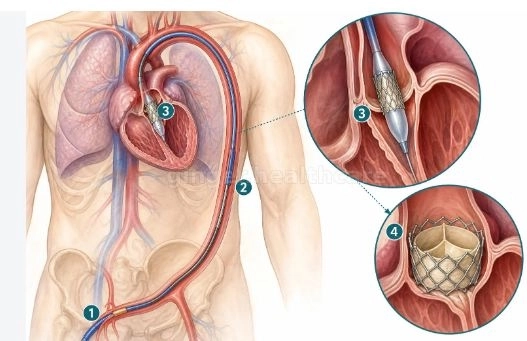
Interventional procedures for replacing or widening heart valves are among the important advancements in modern cardiology. Catheter-based cardiac techniques have made it possible to treat many heart valve diseases without the need for open-heart surgery in suitable cases. These procedures rely on specialized catheters and precise medical devices inserted through blood vessels to reach the heart valves, with the aim of repairing, widening, or replacing the affected valve with a new one, depending on the nature of the medical condition.
These techniques help treat certain cases of valve stenosis or regurgitation, particularly in patients who face high risks from traditional surgery or whose conditions require a precise intervention. The type of procedure is determined based on the affected valve, the extent to which heart function is impaired, the patient's general health, and the results of medical examinations.
What Are Interventional Procedures for Treating Heart Valves?
Interventional procedures are medical treatments that rely on catheters and specialized medical devices to reach the heart valves through blood vessels, without the need for opening the chest in many cases.
These procedures include several techniques, the most important of which are:
Balloon Valvuloplasty: A medical balloon is guided into the narrowed valve and inflated to help open it and improve blood flow.
Transcatheter Heart Valve Replacement: A new artificial valve is implanted inside the affected valve without surgically removing the original valve in certain cases.
Transcatheter Heart Valve Repair: Special devices and techniques are used to improve valve function and reduce regurgitation.
Closure of Certain Leaks Around Artificial Valves: Specialized closure devices are used depending on the nature and location of the leak.
These procedures are characterized by the fact that they do not require a large surgical incision and may help reduce recovery time compared with open-heart surgery in suitable patients.
Which Heart Valve Diseases Can Be Treated with Interventional Procedures?
Heart valves control the direction of blood flow between the heart chambers and blood vessels. When these valves develop narrowing or regurgitation, the heart's efficiency and ability to pump blood normally may be affected.
The most common heart valve diseases that may be treated using interventional catheterization include:
1. Aortic Valve Stenosis
Aortic valve stenosis occurs when the valve opening becomes narrower than normal, making it more difficult for the heart to pump blood into the aorta.
This condition may cause symptoms such as:
Shortness of breath, especially during physical activity.
Chest pain or pressure.
Dizziness or fainting.
Persistent fatigue and tiredness.
Reduced ability to perform daily activities.
One of the techniques used to treat certain cases is transcatheter aortic valve replacement, known as TAVI or TAVR. During this procedure, a new artificial valve is inserted through a catheter, usually through the femoral artery, and guided to the location of the affected aortic valve.
2. Mitral Valve Stenosis
Mitral valve stenosis occurs when the valve cannot open normally, obstructing blood flow from the left atrium to the left ventricle.
This may lead to increased pressure inside the left atrium and pulmonary blood vessels, resulting in symptoms such as:
Shortness of breath.
Heart palpitations.
Fatigue during physical activity.
Difficulty breathing when lying down in some cases.
Swelling in the legs in advanced cases.
One of the main treatment methods is balloon mitral valvuloplasty using catheterization, particularly in cases of rheumatic mitral stenosis when the valve anatomy is suitable for this procedure.
3. Mitral Valve Regurgitation
Mitral valve regurgitation occurs when the valve does not close properly, allowing some blood to flow backward into the left atrium during contraction of the left ventricle.
Severe regurgitation may increase the workload on the heart and cause symptoms such as shortness of breath, fatigue, and palpitations.
One of the interventional techniques used in certain cases is transcatheter mitral valve repair using special clips, such as the TEER technique. This procedure helps bring the valve leaflets closer together and reduce the amount of blood flowing backward.
4. Tricuspid Valve Regurgitation
Tricuspid valve regurgitation allows blood to flow backward from the right ventricle into the right atrium. In advanced cases, it may lead to venous congestion and swelling in the legs and abdomen.
Modern techniques are available to repair the valve or reduce regurgitation using catheter-based procedures. The appropriate technique is selected according to the severity of the condition and the suitability of the valve's anatomy for intervention.
How Are Heart Valve Replacement or Widening Procedures Performed Using Catheterization?
Interventional procedures for treating heart valves involve several stages, and the method varies depending on the affected valve and the existing medical problem.
1. Examination and Evaluation Before the Procedure
The patient's condition is evaluated through a medical examination and a series of tests, including:
Echocardiography.
Electrocardiogram (ECG).
Cardiac CT scan when needed.
Required laboratory tests.
Diagnostic cardiac catheterization in certain cases.
2. Determining the Appropriate Type of Intervention
After evaluating the test results, the medical team determines whether the condition requires valve widening, repair, or replacement with a new artificial valve using catheterization.
3. Inserting the Catheter into the Heart
The catheter is inserted through one of the blood vessels, usually in the groin area, and then guided toward the affected valve using X-ray imaging and specialized imaging techniques.
4. Performing the Therapeutic Procedure
The valve is widened using a balloon, a new valve is implanted, or the valve is repaired using specialized devices, depending on the nature of the disease.
5. Confirming Valve Function
After the procedure, the valve is examined using imaging techniques to ensure improved blood flow and proper valve function. The patient is then monitored according to the treatment plan.
What Are the Advantages of Interventional Procedures for Treating Heart Valves?
Modern catheter-based techniques offer several advantages for patients who meet the requirements for these procedures, including:
Avoiding open-heart surgery in many cases.
No need to open the breastbone in procedures performed through blood vessels.
Reduced surgical intervention and tissue damage.
Shorter hospital stays in many cases.
Relatively faster recovery compared with certain traditional operations.
Improved heart valve function.
Helping relieve symptoms of shortness of breath and fatigue associated with heart valve diseases.
Providing treatment options for certain patients who face increased risks from traditional surgery.
The results and benefits vary from one patient to another depending on their medical condition, the type of valve, and the procedure performed.
Who Are Suitable Candidates for Heart Valve Replacement or Widening Through Catheterization?
Interventional procedures are not suitable for all patients with heart valve diseases. Careful evaluation is required to determine whether a patient is an appropriate candidate.
These procedures may be suitable for certain groups, including:
Patients with severe aortic valve stenosis.
Patients with rheumatic mitral valve stenosis whose valve anatomy is suitable for balloon valvuloplasty.
Patients with severe mitral valve regurgitation who meet the requirements for transcatheter repair.
Patients with severe tricuspid valve regurgitation who are suitable candidates for modern interventional techniques.
Elderly patients with heart valve diseases who face increased surgical risks.
Patients who have previously undergone heart valve replacement surgery and have developed a problem with their artificial valve, in selected cases.
The decision is made by a specialized heart valve team that includes interventional cardiologists, cardiac surgeons, and medical imaging specialists.
Are Interventional Heart Valve Procedures Safe?
These procedures are considered advanced techniques that can provide good treatment outcomes when the right patient is selected and the procedure is performed at a specialized center by an experienced medical team.
However, like any medical procedure, they may involve certain risks, including:
Bleeding or bruising at the catheter entry site.
Heart rhythm disturbances.
Blood vessel complications.
Blood clots or stroke in certain cases.
Leakage around the artificial valve.
The need for a pacemaker after certain procedures.
The possibility of requiring an additional intervention if the desired result is not achieved.
The likelihood of these complications varies depending on the type of intervention, the patient's age, and their general health.
How Long Is the Recovery Period After Heart Valve Replacement or Widening Through Catheterization?
The recovery period varies depending on the type of procedure and the patient's medical condition. However, recovery is generally shorter than after open-heart surgery in cases treated through catheterization.
Patients may gradually return to their daily activities after a relatively short period, according to their doctor's instructions.
The recovery phase includes:
Taking prescribed medications as directed.
Monitoring blood pressure and heart rate.
Taking care of the catheter entry site.
Avoiding strenuous physical activity during the period specified by the doctor.
Undergoing regular echocardiography to monitor valve function.
Attending scheduled medical follow-up appointments.
The Importance of Early Diagnosis of Heart Valve Diseases
Detecting heart valve diseases at an early stage helps determine the appropriate treatment before complications develop that may affect the heart muscle or its function.
The most important symptoms that require a heart examination include:
Shortness of breath during activity or at rest.
Palpitations or irregular heartbeat.
Chest pain or pressure.
Dizziness or fainting.
Swelling in the feet and legs.
Fatigue and exhaustion after minimal physical effort.
Reduced ability to perform daily activities.
Some heart valve diseases may progress without obvious symptoms in the early stages. Therefore, regular medical follow-up and echocardiography help detect changes in valve function at an early stage.
Conclusion
Interventional procedures for replacing or widening heart valves have become important treatment options in modern cardiology. They provide advanced solutions for treating certain cases of valve stenosis and regurgitation without the need for open-heart surgery.
These techniques include balloon valvuloplasty, transcatheter aortic valve replacement, and mitral and tricuspid valve repair using specialized devices.
The success of these procedures depends on accurate diagnosis, selecting the appropriate technique, evaluating the patient's condition through a specialized medical team, and maintaining regular follow-up to preserve heart function and improve the patient's quality of life.
Medical Note : Catheter-based procedures are not a suitable alternative to open-heart surgery in all cases. The appropriate treatment method must be determined according to medical evaluation and the specific anatomy of the affected valve.