

Published on: 2026-11-03 | Written by: Arab Kidney Center for Kidney Transplantation
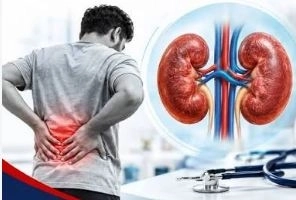
Chronic urinary tract and kidney diseases are medical conditions that require regular follow-up, as they may affect kidney function, the urinary system, and the patient's quality of life. These diseases include several conditions that may persist for long periods, such as chronic kidney disease, recurrent urinary tract infections, kidney stones, urinary disorders, and certain bladder and ureter conditions.
Early diagnosis is essential for detecting health problems before they progress, determining the extent of kidney function impairment, and selecting the appropriate treatment plan for each patient. Following medical treatment and attending regular checkups also help control symptoms, reduce complications, and preserve kidney function for as long as possible.
Treatment of chronic urinary tract and kidney diseases depends on identifying the underlying cause, evaluating the patient's overall health, using appropriate medications and treatments, and making lifestyle and dietary adjustments according to medical recommendations.
What Are Chronic Urinary Tract and Kidney Diseases?
Chronic kidney diseases are a group of conditions that affect the kidneys' ability to perform their normal functions over an extended period, particularly their ability to filter waste products and excess fluids from the blood and regulate the body's salts and minerals.
Chronic urinary tract diseases include conditions affecting the kidneys, ureters, bladder, and urethra. These conditions may cause persistent urinary problems, recurrent infections, or urinary tract obstruction.
These conditions require accurate diagnosis to identify the affected organ and the underlying cause, as some urinary tract diseases may directly affect kidney function if they are not treated appropriately.
The Most Common Chronic Urinary Tract and Kidney Diseases
Several diseases affect the urinary system and kidneys and require ongoing medical follow-up. The most common include:
1. Chronic Kidney Disease
Chronic kidney disease occurs when the kidneys gradually lose their ability to filter waste products and excess fluids from the blood.
Some of the main causes include:
Diabetes and persistently elevated blood sugar levels.
High blood pressure over an extended period.
Chronic kidney infections.
Certain autoimmune diseases affecting kidney tissues.
Long-term urinary tract obstruction.
Certain hereditary diseases affecting kidney function.
Treatment depends on the stage and underlying cause of the disease. It aims to slow the deterioration of kidney function and control complications. In advanced stages, patients may require dialysis or kidney transplantation, depending on their medical evaluation.
2. Recurrent Kidney and Urinary Tract Infections
Urinary tract infections occur when bacteria enter the urinary system and multiply. These infections may affect the bladder or urethra and can spread to the kidneys.
Common symptoms include:
Burning sensation during urination.
Frequent urination.
Lower abdominal pain.
Changes in urine color or odor.
Pain in the sides or back when the kidneys are affected.
Fever and chills in some cases.
Recurrent infections require identifying the underlying cause, such as kidney stones, urinary obstruction, or problems with bladder emptying. Urine analysis and culture may be performed when necessary to identify the bacteria and determine the appropriate antibiotic.
3. Kidney and Ureteral Stones
Kidney stones develop when certain minerals and salts in the urine accumulate and form hard deposits that vary in size and location.
Some stones may remain asymptomatic, while others cause severe pain as they move through the ureter or obstruct urine flow.
Common symptoms include:
Severe pain in one side or the lower back.
Pain extending to the lower abdomen or pelvic area.
Blood in the urine.
Nausea and vomiting.
Frequent urination or a burning sensation during urination.
Treatment options depend on the size, location, and composition of the stone and may include medication, shock wave lithotripsy, endoscopic procedures, or surgery in certain cases.
4. Glomerulonephritis
Glomerulonephritis is an inflammatory condition affecting the tiny filtering units inside the kidneys, known as glomeruli. It may result from immune disorders, infections, or certain systemic diseases.
Symptoms may include:
Blood in the urine.
Increased protein levels in the urine.
Swelling of the face and feet.
High blood pressure.
Reduced kidney function.
Treatment depends on the cause and severity of the inflammation. It may include medications to control blood pressure and reduce protein in the urine, or immunosuppressive treatments in certain cases, according to the diagnosis.
5. Polycystic Kidney Disease
Polycystic kidney disease is an inherited condition that causes fluid-filled cysts to develop inside the kidneys. These cysts may increase in size and
number over time, potentially affecting kidney function.
Patients may experience high blood pressure, pain in the sides, or blood in the urine, while some individuals may have no noticeable symptoms during the early stages.
Management depends on monitoring kidney function and blood pressure, evaluating cyst progression, and selecting appropriate treatment according to the severity of the disease.
6. Benign Prostatic Hyperplasia and Urinary Problems
Benign prostatic hyperplasia is a common condition in men as they age. It occurs when the prostate gland becomes enlarged, putting pressure on the urethra and affecting the normal flow of urine.
Common symptoms include:
Weak urine stream.
Difficulty starting urination.
Frequent urination, especially at night.
Feeling that the bladder has not emptied completely.
Interrupted urine flow.
Sudden and frequent urges to urinate.
Treatment may include regular monitoring or medications that improve urine flow. Some cases may require surgical or endoscopic procedures, particularly when severe obstruction or complications occur.
7. Neurogenic Bladder and Urinary Control Disorders
Neurogenic bladder is a condition caused by abnormalities in the nerve signals responsible for controlling urine storage and bladder emptying.
It may lead to difficulty urinating, incomplete bladder emptying, or loss of bladder control.
Treatment depends on the underlying cause and the type of bladder dysfunction. It may include medications, intermittent catheterization, or bladder training programs, along with kidney function monitoring to prevent complications caused by urinary retention.
What Are the Symptoms of Chronic Kidney and Urinary Tract Diseases?
Symptoms vary depending on the type and stage of the disease. Some chronic kidney conditions may not cause noticeable symptoms during their early stages, so symptoms alone should not be relied upon to detect the problem.
Signs that require medical evaluation include:
Changes in urine color or blood in the urine.
Unusually frequent urination.
Burning or pain during urination.
Swelling of the feet or face due to fluid retention.
Persistent pain in the sides or lower back.
Repeated episodes of high blood pressure.
Fatigue and general weakness.
Changes in the usual amount of urine.
Frequent nighttime urination.
Nausea and loss of appetite during certain stages of kidney disease.
Urgent medical evaluation is necessary if fever and chills occur with side pain, if the patient becomes unable to urinate, or if severe pain or visible blood in the urine develops.
How Are Chronic Kidney and Urinary Tract Diseases Diagnosed?
Diagnosis depends on a medical examination and reviewing the patient's medical history, in addition to laboratory tests and imaging studies that help assess kidney function and the urinary system.
The most important diagnostic methods include:
1. Complete Urine Analysis
This test helps detect blood, protein, inflammatory cells, and signs of infection in the urine.
2. Urine Culture
This test is used when a bacterial infection is suspected to identify the bacteria and determine the appropriate antibiotic.
3. Kidney Function Tests
These include measuring creatinine, urea, and certain electrolytes, along with calculating the estimated glomerular filtration rate (eGFR) to assess kidney function.
4. Urine Albumin-to-Creatinine Ratio
This test helps detect protein leakage into the urine, which is an important indicator of kidney damage and disease progression.
5. Ultrasound of the Kidneys and Urinary Tract
Ultrasound helps evaluate kidney size and structure and detect stones, cysts, certain types of obstruction, and urinary retention.
6. CT Scans
CT scans may be used to evaluate kidney and ureteral stones and certain anatomical problems that require more detailed examination.
7. Kidney Biopsy
In certain cases, the doctor may need to take a small tissue sample from the kidney to identify the type and cause of the disease and select the appropriate treatment.
Regular monitoring of the estimated glomerular filtration rate and urine albumin levels helps evaluate disease progression and response to treatment.
Advanced Treatment Methods for Chronic Kidney and Urinary Tract Diseases
Treatment methods vary depending on the nature of the disease and the extent to which it affects kidney function and the urinary system. Treatment aims to control the underlying cause, reduce symptoms, and prevent complications.
First: Medication-Based Treatment
Medications are used to treat many kidney and urinary tract conditions and may include:
Medications to control high blood pressure.
Medications that reduce protein in the urine and protect kidney function.
Medications to regulate blood sugar levels in diabetic patients.
Antibiotics to treat bacterial infections according to culture results and medical evaluation.
Medications for benign prostatic hyperplasia to improve urine flow.
Medications to manage certain bladder disorders.
Medications to treat certain autoimmune diseases affecting the kidneys.
The type of medication and dosage must be determined according to kidney function and the patient's overall health, as some medications require dose adjustments in patients with kidney impairment.
Second: Treatment of Kidney and Urinary Tract Stones
Several methods are available for treating kidney and ureteral stones. The choice depends on the size and location of the stone, its composition, and whether it causes urinary obstruction.
The main treatment options include:
Medication to help certain stones pass naturally.
Shock wave lithotripsy.
Ureteroscopy with laser stone fragmentation.
Percutaneous nephrolithotomy for large or complex stones.
Surgical intervention in certain cases when other methods are unsuitable.
Third: Treatment of Chronic Kidney Disease
Treatment of chronic kidney disease aims to preserve remaining kidney function, slow disease progression, and manage associated health problems.
Treatment may include:
Controlling blood pressure and blood sugar levels.
Using appropriate kidney-protective medications.
Treating anemia and electrolyte and mineral disorders.
Monitoring protein levels in the urine.
Adjusting diet and fluid intake according to the patient's condition.
Avoiding medications that may negatively affect kidney function.
In advanced stages, patients may require kidney replacement therapy, such as hemodialysis, peritoneal dialysis, or kidney transplantation, depending on their medical evaluation.
Fourth: Treatment of Urinary Tract Obstruction
Urinary tract obstruction may result from stones, prostate enlargement, urethral strictures, or certain anatomical abnormalities.
Treatment depends on removing the underlying cause and may include urinary catheterization, ureteral stent placement, endoscopic procedures, or surgery, depending on the condition.
Treating the obstruction is important to prevent prolonged pressure on the kidneys and preserve their function.
Fifth: Treatment of Recurrent Kidney and Urinary Tract Infections
Treatment of recurrent infections depends on identifying the source of infection, performing a urine culture when necessary, and selecting the appropriate antibiotic.
It is also important to investigate the causes of recurrent infections, such as stones, urinary tract obstruction, or incomplete bladder emptying, as treating the underlying cause helps reduce the likelihood of recurrence.
What Is the Role of Nutrition in Treating Chronic Kidney Disease?
Nutrition plays an important role in preserving kidney health and reducing complications, especially in patients with chronic kidney disease.
Dietary recommendations vary depending on the stage of the disease, laboratory results, and the presence of other conditions such as diabetes and high blood pressure.
Important dietary guidelines include:
Reducing salt intake and foods high in sodium.
Adjusting protein intake according to the disease stage and nutritional condition.
Monitoring potassium and phosphorus levels according to laboratory results.
Determining the appropriate fluid intake based on kidney function and the presence of swelling or fluid retention.
Maintaining a balanced diet and avoiding unplanned dietary restrictions.
Consulting a doctor or clinical nutrition specialist before making major dietary changes.
There is no single diet suitable for all kidney patients. Therefore, dietary plans should be tailored to each patient's individual needs.
How Can Kidney Function Deterioration Be Prevented?
Several steps can help reduce risk factors and maintain kidney health, including:
Monitoring blood pressure regularly.
Controlling blood sugar levels in diabetic patients.
Performing kidney function tests when risk factors are present.
Treating urinary tract infections and not ignoring recurrent episodes.
Avoiding the uncontrolled use of painkillers, especially nonsteroidal anti-inflammatory drugs.
Maintaining a healthy diet and reducing salt intake.
Maintaining a healthy weight and participating in appropriate physical activity.
Following prescribed medications and attending regular checkups.
Avoiding herbs and supplements without medical consultation.
Treating kidney stones and urinary obstruction according to medical evaluation.
When Does a Kidney Patient Need Dialysis?
Patients with kidney failure may require dialysis when the kidneys can no longer remove waste products and excess fluids adequately, or when serious complications develop that cannot be controlled with medication.
The main types of dialysis include:
Hemodialysis: Blood is removed from the body, passed through a specialized machine to remove waste products and excess fluids, and then returned to the body.
Peritoneal Dialysis: This method uses the peritoneal membrane inside the abdomen as a filter to remove waste products from the blood through a special dialysis solution.
The timing of dialysis initiation is determined according to symptoms, complications, laboratory results, and the patient's overall condition, rather than relying on a single laboratory value.
Why Do Chronic Kidney and Urinary Tract Diseases Require Regular Medical Follow-Up?
These diseases require ongoing monitoring because some conditions may progress gradually without noticeable symptoms during the early stages. Kidney function may also be affected by several factors, including blood pressure, diabetes, medications, and urinary obstruction.
Regular medical follow-up helps with:
Periodically assessing kidney function.
Detecting any decline in the estimated glomerular filtration rate.
Monitoring protein or albumin levels in the urine.
Controlling blood pressure and blood sugar levels.
Adjusting treatment according to disease progression.
Detecting complications and managing them early.
Maintaining the patient's quality of life and reducing the risk of advanced disease.
Dr. Mohamed Salah El-Din Zamy and the Treatment of Chronic Kidney and Urinary Tract Diseases
Chronic kidney and urinary tract diseases require careful medical evaluation to identify the underlying cause and determine the extent of their impact on the urinary system and kidney function. Treatment plans differ from one patient to another depending on the nature and stage of the disease and the patient's overall health.
Dr. Mohamed Salah El-Din Zamy is mentioned in connection with the treatment of chronic kidney and urinary tract diseases, which require attention to early diagnosis, regular medical follow-up, and selecting the appropriate treatment for each case.
The treatment plan should be based on medical examinations, laboratory results, and the evaluation of the treating specialist, with particular attention to monitoring kidney function and controlling factors that may contribute to its deterioration.
Conclusion
Treating chronic kidney and urinary tract diseases requires a comprehensive medical plan that begins with accurate diagnosis and identification of the underlying cause, followed by selecting the appropriate medication or medical intervention, along with maintaining a healthy diet and regular medical follow-up.
Symptoms such as changes in urine color, recurrent infections, swelling, or urinary disorders should not be ignored, as early detection helps prevent many complications and preserve kidney function and urinary system health for as long as possible.