Published on: 2026-11-03 | Written by: Dr. Hazem Abdel Hamid, Professor of Ophthalmology
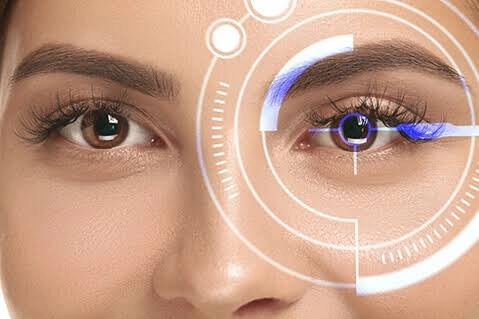
LASIK and vision correction surgeries are among the most prominent medical achievements in modern ophthalmology and eye surgery. They have successfully transformed the lives of millions by restoring visual quality and freeing them from continuous reliance on eyeglasses and contact lenses. These delicate surgeries rely on reshaping the curvature of the cornea with microscopic precision to correct various refractive errors, such as nearsightedness (myopia), farsightedness (hyperopia), and astigmatism. This procedure requires meticulous study and response to each patient's eye characteristics to ensure the highest levels of safety and visual quality.
LASIK vision correction surgeries aim to redirect the focus of light rays passing through the cornea so they fall precisely onto the retina, providing the patient with sharp and clear vision without external corrective tools.
Dr. Hazem Abdel Hamid clarifies that LASIK vision correction surgeries now feature exceptionally high safety rates thanks to technological advancement and pre-operative corneal screenings, noting that evaluating corneal thickness and topography integrity represents the first and most crucial step in selecting the most suitable surgical technique for each patient.
Complete Freedom from Glasses and Lenses: Enjoying freedom of movement and practicing normal daily life clearly and without visual restrictions.
Precise Corneal Tissue Reshaping: Modulating the front surface of the eye to ensure light refraction and focus directly onto the visual center.
Correcting Astigmatism and Blurry Vision: Eliminating light distortion and double vision caused by irregular corneal curvature.
Enhancing Athletic and Professional Performance: Granting individuals the opportunity to participate in sports and professions that require sharp vision without obstacles.
Vision correction surgeries have witnessed tremendous developments, leading to a variety of surgical methods suited to different corneal thicknesses and topographies, ranging from surface LASIK to Femto-SMILE.
Dr. Hazem Abdel Hamid points out that Femto-LASIK and Femto-SMILE techniques have created a qualitative leap in procedural precision and shortened recovery periods, making vision correction possible even for relatively thin corneas while significantly reducing temporary dry eye occurrences.
Advanced Surface Ablation (PRK / LASEK): Direct laser application on the outer surface of the cornea, making it the ideal choice for thin corneas and athletes.
Traditional LASIK: Creating a microscopic flap in the corneal tissue using a precise mechanical tool followed by laser vision correction.
Femto-LASIK: Utilizing femtosecond laser technology to create the corneal flap with the highest levels of safety and precision without manual surgical instruments.
Femto-SMILE: The latest flapless technique where a microscopic lenticule is sculpted within the cornea and corrected through an ultra-small incision.
Refractive surgery follows a strict preparatory and medical protocol beginning with digital eye analysis and concluding with immediate postoperative check-ups.
Dr. Hazem Abdel Hamid advises completely discontinuing contact lens wear for at least one to two weeks prior to performing a corneal tomography scan (Pentacam) to obtain accurate natural measurements of corneal topography and shape.
Comprehensive Digital Screening and Pentacam Scan: Studying the refractive map of the eye, corneal thickness, and measuring pupil size.
Selecting the Appropriate Surgical Technique: Choosing the suitable LASIK procedure based on the patient's lifestyle and corneal thickness.
Safe Aseptic Local Anesthesia: Administering anesthetic drops to eliminate pain during the procedure, which takes only a few minutes.
Precise Laser Application: Correcting optical refraction based on pre-calculated digital eye measurements.
Immediate Examination and Postoperative Check: Verifying corneal tissue stability and vision clarity before clinic discharge and providing customized eye drops.
The postoperative phase following LASIK is highly sensitive to ensure rapid corneal healing, visual quality stabilization, and the avoidance of temporary dryness.
Dr. Hazem Abdel Hamid stresses that strict adherence to schedule for lubricating and anti-inflammatory eye drops, absolute abstention from eye rubbing, and wearing protective sunglasses represent fundamental pillars for achieving maximum visual acuity without complications.
Adhering to Prescribed Medical Drops: Using modern sterile drops to reduce dryness and accelerate corneal tissue healing.
Absolute Abstention from Eye Rubbing: Protecting the corneal surface and flap from displacement or scratching during early postoperative weeks.
Avoiding Water and Soap Entry: Refraining from washing eyes directly with water or swimming in pools and seas for two weeks.
Wearing Protective Sunglasses: Shielding sensitive eyes from bright light, wind, and dust when outdoors.
Visual Rest and Screen Avoidance: Limiting time spent on smartphones and television during the first 24 to 48 hours to prevent eye strain.
Confirming Prescription Stability: Performing the surgery after ensuring eye measurements have remained stable for at least one full year.
Complete Relaxation During Surgery: Following the surgeon's guidance and focusing on the designated light without moving the eye during laser application.
Regular Postoperative Follow-Up: Committing to examination visits to verify corneal recovery and prescription stability.
Maintain Ongoing Follow-Ups with Your Specialist:
Dr. Hazem Abdel Hamid emphasizes in his concluding guidance that LASIK and vision correction surgeries are now performed with the highest global safety and success rates. He confirms that thorough pre-operative screening, surgical precision, and strict adherence to recovery instructions are the true shield to enjoying pure, sharp vision throughout life.