Published on: 2026-11-03 | Written by: Dr. Yasser Mohamed Abdel Rahim, PhD in Orthopedic Surgery
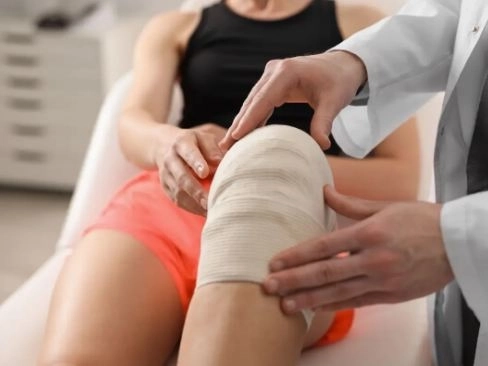
Sports injuries are among the most common problems experienced by athletes and people who participate in physical activities. They may occur due to sudden movements, direct contact, repetitive muscle strain, or inadequate physical preparation before exercising. These injuries range from muscle, ligament, tendon, and joint injuries to more serious conditions that may require specialized medical treatment or surgery.
The goal of treating sports injuries is to relieve pain and swelling, restore muscle and joint function, improve mobility and balance, and help injured individuals return to sports safely. Successful treatment depends on accurate diagnosis, identifying the type and severity of the injury, selecting the appropriate treatment plan, and providing proper physical rehabilitation to reduce the risk of recurrence.
What Are Sports Injuries?
Sports injuries are injuries that occur during different physical activities, including team sports such as football and basketball, as well as individual sports such as running, swimming, and weightlifting.
These injuries may result from direct impact, falls, sudden twisting movements, or excessive stress on muscles and joints.
Sports injuries can affect different parts of the body, including:
Muscles and tendons.
Ligaments surrounding the joints.
Knee joint and menisci.
Ankle and foot joints.
Shoulder joint.
Hip joint.
Bones and cartilage.
Some injuries require rest and physical therapy, while more complicated cases may need specialized medical intervention to preserve joint function and restore mobility.
What Causes Sports Injuries?
Several factors may increase the risk of injuries during physical activities. The most common include:
Failure to warm up before exercise: Starting physical activity without preparing the muscles and joints may increase the risk of muscle strains and other injuries.
Muscle fatigue: Training for long periods or suddenly increasing exercise intensity may cause muscle and tendon injuries.
Sudden movements: Quickly changing direction or stopping suddenly may lead to ligament and joint injuries.
Direct contact: Collisions between players or falling during matches may cause bruises, fractures, and dislocations.
Poor physical fitness: Insufficient muscle strength, flexibility, and balance may increase the risk of injury.
Improper sports equipment: Unsuitable footwear or inadequate protective equipment may contribute to certain injuries.
Returning to sports too early: Resuming training before completing recovery may cause the injury to recur or become more severe.
The Most Common Types of Sports Injuries
Sports injuries vary depending on the type of physical activity, movement patterns, and the affected body part. Some of the most common include:
1. Anterior Cruciate Ligament (ACL) Injuries and Tears
Anterior cruciate ligament injuries are common among football players and athletes who participate in sports involving sudden changes of direction, jumping, and abrupt stopping.
An ACL tear often occurs due to sudden knee rotation or improper landing after jumping. Symptoms may include severe pain, swelling, joint instability, and difficulty continuing physical activity.
Treatment depends on the severity of the injury, the degree of knee instability, and the patient's activity level. It may include physical therapy and muscle rehabilitation or surgical reconstruction of the ACL when necessary.
2. Meniscus Injuries
The meniscus is a cartilage structure inside the knee joint that helps absorb shock, distribute weight, and protect the joint.
Meniscus injuries may occur due to sudden knee twisting during running or changing direction. Symptoms include:
Knee pain.
Joint swelling.
Difficulty bending or straightening the knee.
A catching or locking sensation in the joint.
Difficulty walking or climbing stairs.
Treatment depends on the location, size, and type of tear. It may include rest and physical therapy or arthroscopic surgery to repair the meniscus or address the damaged portion when necessary.
3. Muscle Strains and Tears
Muscle strains occur when muscle fibers stretch beyond their normal capacity, while muscle tears happen when some muscle fibers or part of the muscle become torn.
These injuries commonly affect the hamstrings, adductor muscles, and calf muscles.
Common symptoms include:
Sudden pain during physical activity.
Swelling or bruising.
Weakness in the affected muscle.
Difficulty moving the affected limb.
Pain when pressing on the injured area.
Treatment depends on the severity of the injury and may include reducing stress on the muscle, using appropriate methods to relieve pain and swelling, and gradually starting a rehabilitation program to restore strength and flexibility.
4. Ankle Sprains and Ligament Tears
An ankle sprain occurs when the foot moves abnormally, causing the ligaments that stabilize the joint to stretch or tear.
This injury is common among football and basketball players and runners. It may occur due to improper landing after jumping or walking on uneven surfaces.
Symptoms include pain, swelling, bruising, and difficulty bearing weight on the foot.
Treatment depends on the severity of the ligament injury and may include temporary immobilization, ankle braces, physical therapy, and balance exercises. Some severe cases involving significant instability may require surgery.
5. Shoulder Injuries and Shoulder Dislocation
Shoulder injuries may occur due to repetitive overhead movements, direct falls, or improper weightlifting techniques.
These injuries may include rotator cuff tendon inflammation or tears and shoulder joint dislocation.
Common symptoms include:
Pain when raising the arm.
Weakness in the muscles surrounding the shoulder.
Difficulty performing daily activities.
Swelling or pain after exercise.
Shoulder joint instability in certain cases.
Treatment depends on the nature of the injury and may include conservative treatment and physical rehabilitation, or surgery in cases of severe tears or recurrent dislocations.
6. Tendon Inflammation and Injuries
Tendon injuries may develop due to repetitive strain or increased training loads. They commonly affect the Achilles tendon, patellar tendon, and shoulder tendons.
Patients may experience pain that worsens with movement, jumping, or running, in addition to stiffness or tenderness when pressure is applied to the tendon.
Treatment aims to reduce the loads causing the injury and improve the tendon's ability to tolerate physical stress through a gradual rehabilitation program and appropriate strengthening exercises.
7. Fractures and Bone Injuries During Sports
Athletes may experience fractures due to falls, collisions, or direct impact. Stress fractures may also develop due to repeated loading of the bones over extended periods.
Treatment varies according to the location, type, and stability of the fracture. It may involve cast immobilization or surgery using appropriate fixation methods.
How Are Sports Injuries Diagnosed?
Accurate diagnosis is the first essential step in determining the appropriate treatment. The doctor needs to understand how the injury occurred, the nature of the symptoms, and how the condition affects movement and the ability to participate in sports.
Diagnostic methods include:
Clinical examination: Evaluating pain, swelling, joint stability, muscle strength, and range of motion.
X-rays: Used to detect fractures and bone injuries.
MRI scans: Used to assess ligaments, menisci, muscles, tendons, and soft tissues.
Ultrasound: Helps evaluate certain muscle and tendon injuries.
CT scans: May be used to assess certain fractures and complex bone injuries.
Based on the examination results, the doctor determines the severity of the injury and selects the most appropriate treatment method.
Advanced Treatment Methods for Sports Injuries
Treatment methods vary depending on the type and severity of the injury. The main goal is to relieve symptoms and restore the normal function of the affected body part.
First: Conservative Treatment
Conservative treatment is used for many sports injuries, particularly mild and moderate injuries that do not require surgery.
It may include:
Reducing sports activities that cause pain.
Applying ice to reduce swelling during the initial stage of the injury.
Using braces or immobilization devices when necessary.
Taking painkillers or anti-inflammatory medications according to medical instructions.
Starting physical therapy and rehabilitation after evaluating the injury.
Second: Physical Therapy and Sports Rehabilitation
Physical therapy is one of the essential stages in treating many sports injuries. It helps restore normal movement, strengthen muscles, and improve balance and motor coordination.
A rehabilitation program usually includes:
Exercises to improve muscle and joint flexibility.
Strengthening exercises for the muscles surrounding the injured area.
Balance and neuromuscular control exercises.
Training to improve running, jumping, and changing direction.
Exercises that simulate the movements required in the sport practiced by the injured individual.
Exercises are gradually increased according to the body's response to treatment, while avoiding a return to high-intensity sports activities before the required functional abilities have been restored.
Third: Arthroscopic Surgery for Joint Injuries
Arthroscopy is used to treat certain joint injuries, particularly those affecting the knee and shoulder. A small camera and specialized surgical instruments are inserted through small incisions to examine the joint and treat the underlying problem.
Conditions that may benefit from arthroscopic surgery include:
Certain types of meniscus tears.
ACL reconstruction.
Certain shoulder ligament injuries.
Some cases of articular cartilage damage.
Removal of damaged tissue or loose bodies inside the joint when necessary.
Recovery time varies depending on the type of surgery, the injury, and the procedures performed. Patients require an appropriate rehabilitation program after surgery.
Fourth: Ligament Reconstruction and Tendon Repair
In cases involving severe tears of certain ligaments or tendons, surgery may be necessary to restore joint stability and function.
The type of surgery is determined according to the location and severity of the injury, the patient's age, and their sports activity level. A rehabilitation program then begins to gradually restore muscle strength and range of motion.
Fifth: Rehabilitation Programs and Return to Sports
Treating a sports injury does not simply mean eliminating pain. It is also important to ensure that muscle strength, balance, movement control, and the ability to perform sports activities have been restored without significant symptoms.
The return-to-sports phase includes:
Evaluating the recovery of normal range of motion.
Measuring muscle strength in the injured limb and comparing it with the uninjured limb.
Performing balance and stability tests.
Practicing running, jumping, and changing direction.
Gradually increasing training intensity.
Ensuring the ability to participate in sports safely.
What Is the Importance of Early Treatment for Sports Injuries?
Early diagnosis and proper management of sports injuries help reduce complications and improve recovery outcomes.
The main benefits include:
Accurately identifying the type and severity of the injury.
Reducing the risk of worsening muscle tears and ligament injuries.
Preserving joint and muscle function.
Reducing the possibility of stiffness and muscle weakness caused by the injury.
Improving the chances of returning to sports safely.
Reducing the risk of recurrent injuries through appropriate rehabilitation.
It is important not to ignore persistent pain or attempt to continue training despite an obvious injury, as this may increase tissue damage and delay recovery.
When Do Sports Injuries Require Surgery?
Not all sports injuries require surgery. However, certain conditions may need surgical intervention, including:
Complete tears of certain ligaments accompanied by joint instability.
ACL injuries affecting knee stability in physically active athletes.
Certain meniscus tears that do not respond to conservative treatment.
Severe tendon tears.
Unstable fractures or fractures accompanied by other injuries.
Recurrent dislocations of certain joints.
The decision to perform surgery is made after evaluating the condition and comparing the potential benefits of surgery with its risks and available treatment alternatives.
How Can Sports Injuries Be Prevented?
The risk of sports injuries can be reduced by following several important guidelines, including:
Performing warm-up exercises before starting sports activities.
Practicing appropriate stretching and flexibility exercises.
Strengthening muscles and improving balance and motor coordination.
Gradually increasing training intensity and duration.
Wearing suitable sports shoes and using appropriate equipment.
Allowing sufficient rest between training sessions.
Drinking adequate amounts of water and maintaining a balanced diet.
Avoiding sports activities when experiencing pain or an injury that has not been medically evaluated.
Following a rehabilitation program after an injury before returning to sports.
Why Do Sports Injuries Require a Specialized Orthopedic Doctor?
Sports injuries require specialized medical evaluation to distinguish between mild injuries and conditions that may affect joint stability or the long-term function of muscles and tendons.
Treatment selection depends on the type of sport practiced, the nature of the injury, the extent of tissue damage, and the patient's need to return to their previous level of physical activity.
Rehabilitation after treatment is also an essential part of recovery, as it helps restore strength, flexibility, and balance while reducing the risk of recurrent injuries.
Conclusion
Treating sports injuries is a comprehensive process that begins with accurate diagnosis, followed by selecting the appropriate treatment, whether conservative, physical therapy-based, or surgical. The process ends with a rehabilitation program that helps injured individuals restore their mobility and safely return to sports.
Any injury causing persistent pain, swelling, or difficulty moving should not be ignored, as receiving appropriate medical care at the right time helps protect muscles and joints and improves recovery outcomes.