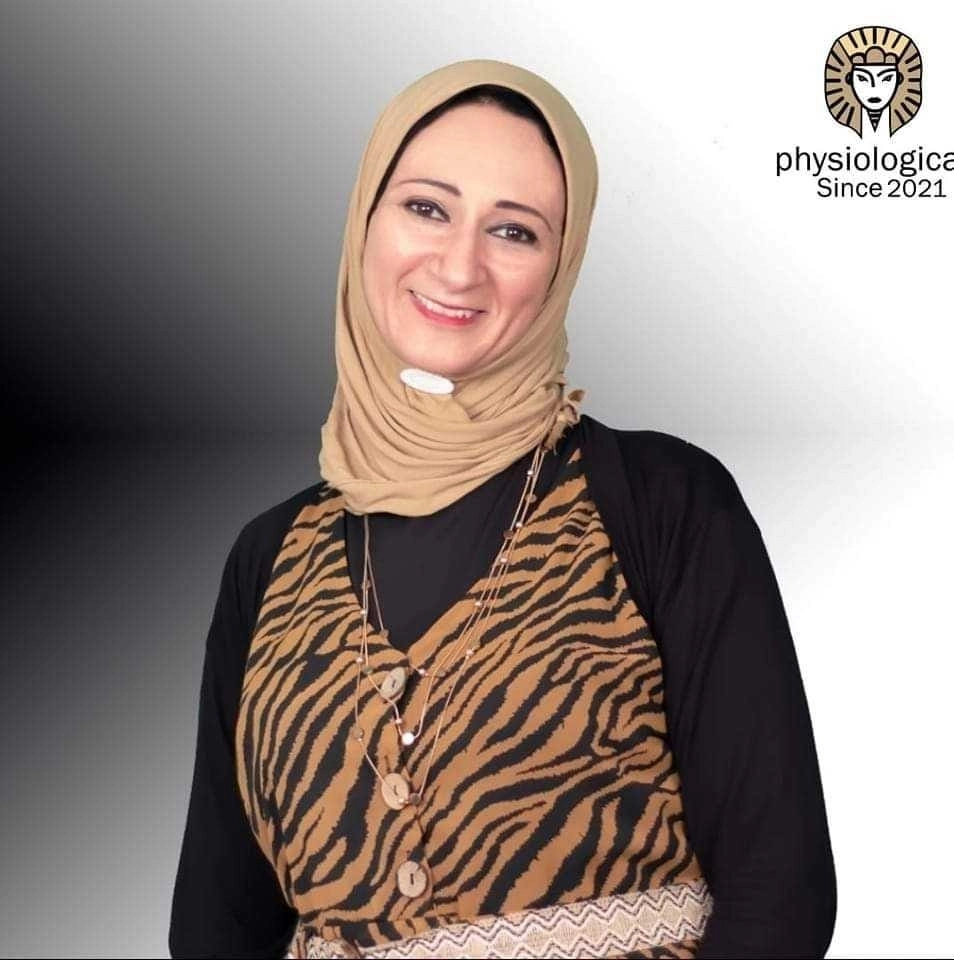

Published on: 2026-11-02 | Written by: Dr. Elfat Mounir Consultant in Mental Health

Depression and anxiety disorders are among the most widespread and impactful psychological challenges affecting individual and societal quality of life in the modern era. Their effects are not limited to transient sadness or normal fear; rather, they extend to cause acute imbalances in brain chemistry, negatively impacting professional performance, family relationships, and overall physical health. Causes range from accumulated life stressors, genetic factors, psychological trauma, and imbalances in neurotransmitters such as serotonin and dopamine. Treating depression and anxiety requires an integrated therapeutic plan combining psychological support, behavior modification, and family counseling to restore psychological balance and live with peace of mind.
Therapeutic plans for depression and anxiety aim to alleviate distressing psychological and physical symptoms, rebuild proper behavioral and cognitive responses, and restore the individual's ability to communicate effectively and lead a normal life efficiently.
Dr. Alfat Mounir clarifies that managing depression and anxiety disorders requires a comprehensive approach that goes beyond the temporary soothing of symptoms, extending to understanding the psychological and behavioral roots of the problem, noting that early psychological intervention prevents the condition from worsening and protects the individual from isolation and the deterioration of family and social relationships.
Restoring Neurological and Emotional Balance: Lowering continuous stress levels and reducing thoughts of sadness and a pessimistic outlook on life.
Improving Sleep Quality and Physical Energy: Treating insomnia and chronic fatigue resulting from continuous psychological stress.
Enhancing Coping and Adaptation Skills: Equipping the individual with scientific tools to manage stress and overcome panic attacks and fear.
Protecting Family and Social Stability: Rebuilding bridges of healthy communication between the patient and their family and social environment.
Psychotherapeutic treatment has witnessed significant development thanks to reliance on modern therapeutic schools, such as Cognitive Behavioral Therapy (CBT), family counseling programs, and emotion regulation and behavior modification techniques.
Dr. Alfat Mounir points out that integrating Cognitive Behavioral Therapy sessions with family counseling and behavior modification significantly raises cure and recovery rates, as it helps the individual and their family understand the nature of the disorder and provides a supportive, motivating environment for positive change.
Cognitive Behavioral Therapy (CBT): Identifying automatic negative thoughts, restructuring them, and replacing them with more realistic and positive thinking patterns.
Family Counseling and Behavior Modification Programs: Providing support to patients' families on how to handle outbursts of anger, anxiety, or social withdrawal.
Psychological Guidance and Stress Management Sessions: Training the individual in respiratory relaxation skills, mindfulness, and emotion control.
Adjuvant Pharmacological Treatment (When Medically Necessary): Utilizing antidepressants and anxiety-reducing medications under strict medical supervision to adjust brain chemistry.
The journey to recovery from depression and anxiety follows a strict, structured psychological protocol starting with comprehensive assessment and ending with fostering the patient's independence and preventing relapses.
Dr. Alfat Mounir advises conducting a comprehensive assessment session at the beginning of the treatment journey to determine symptom severity and disorder type, emphasizing that a customized treatment plan tailored to each patient is the true secret to treatment success and sustainability.
Initial and Precise Psychological Assessment: Utilizing validated psychological scales to screen depression levels and anxiety severity.
Formulating the Individualized Treatment Plan: Determining the number of sessions, behavioral goals, and appropriate psychological techniques for each case.
Commencing Regular Therapeutic Sessions: Working on conceptual restructuring, modifying negative behaviors, and applying adaptation exercises.
Involving the Family in Support Programs: Guiding parents or partners on how to optimally handle the patient's mood swings.
Preventive Evaluative Follow-Up: Gradually reducing session intervals while ensuring the patient has acquired self-coping skills.
Changes in daily lifestyle and surrounding environment serve as a fundamental pillar that supports psychological sessions and accelerates the healing process.
Dr. Alfat Mounir stresses that committing to regular physical activity, regulating sleep hours, and avoiding distractions and excessive stress represent crucial steps to restoring psychological and physical wellbeing.
Regulating Sleep and Rest Hours: Sleeping for adequate durations and at regular schedules to restore neurological and brain activity balance.
Exercising and Physical Activities: Walking or exercising for 30 minutes daily to stimulate the release of natural happiness hormones.
Balanced Nutrition and Avoiding Stimulants: Reducing caffeine, soft drinks, and processed foods that increase tension levels.
Building a Positive Social Support Network: Communicating with close friends and relatives and avoiding isolation and social withdrawal.
Safe Expression of Emotions: Writing emotional release journals or talking with a psychological specialist when feeling accumulated stress.
Early Consultation for Psychological Support: Not feeling ashamed or delaying specialist consultation when noticing changes in mood and thinking.
Patience and Continuity in the Treatment Plan: Realizing that psychological recovery takes time and does not happen overnight.
Practical Application of Exercises Between Sessions: Committing to executing behavioral tasks and mental drills requested by the specialist.
Maintain Ongoing Follow-Ups with Your Specialist:
Dr. Alfat Mounir emphasizes in her concluding guidance that depression and anxiety are not signs of personal weakness; rather, they are disorders that are fully treatable and curable thanks to modern psychological and behavioral methods. She confirms that the first step toward healing begins with awareness and seeking specialized support to start a new life filled with hope and reassurance.