Published on: 2026-11-02 | Written by: Dr. Ahmed Rasmy Amer, Consultant Ophthalmologist
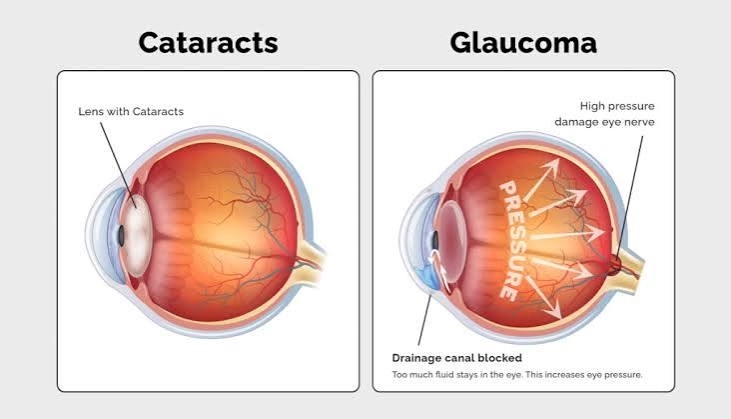
Corneal diseases and glaucoma are among the most delicate and critical ocular disorders in modern ophthalmology and eye surgery; the integrity of the cornea—the transparent front window of the eye—directly intersects with the stabilization of intraocular pressure to protect the optic nerve. Corneal conditions range from keratoconus, severe dryness, opacities, and hereditary dystrophies, whereas glaucoma is known as the "silent thief of sight" due to elevated intraocular pressure leading to progressive damage in the optic nerve fibers. These conditions require dual medical evaluation and precise microscopic examinations to ensure surface protection and prevent any deterioration in the visual field.
Therapeutic plans for corneal diseases and glaucoma aim to restore corneal transparency and structural cohesion, lower intraocular pressure to safe levels, and protect optic nerve fibers from damage to ensure visual stability.
Dr. Ahmed Rasmy Amer clarifies that the relationship between corneal thickness and intraocular pressure measurement is crucial in medical evaluation; corneal thickness directly affects tonometer readings, making a comprehensive examination of both the cornea and glaucoma an essential step to accurately diagnose the condition and determine the most appropriate treatment plan.
Restoring Corneal Transparency and Clarity: Enhancing clear light transmission to the retina and treating dryness or perforations.
Strict Control Over Intraocular Pressure (IOP): Draining excess fluid to prevent mechanical stress on the optic nerve.
Stabilizing Keratoconus: Preventing the progression of abnormal corneal curvature and thinning.
Preserving the Patient's Visual Field: Safeguarding peripheral and central vision from permanent decline.
Vision-saving surgeries have witnessed astonishing technological leaps thanks to corneal cross-linking techniques, lamellar keratoplasty, and advanced laser and micro-stent technologies for glaucoma.
Dr. Ahmed Rasmy Amer points out that combining advanced laser technologies (such as Selective Laser Trabeculoplasty - SLT for glaucoma) with minimally invasive corneal surgical techniques has revolutionized pressure control and tissue protection without undergoing complex traditional surgeries.
Corneal Cross-Linking (CXL): Strengthening the fibrous tissue of the keratoconic cornea to halt disease progression.
Lamellar Keratoplasty (DALK / DMEK): Replacing only the damaged layers of the cornea while preserving healthy tissue to minimize rejection rates.
Selective Laser Trabeculoplasty (SLT): Stimulating the eye's natural fluid drainage channels to safely lower pressure.
Micro-Invasive Glaucoma Surgery (MIGS) and Stents: Implanting micro-tubes and stents to drain aqueous humor with extreme precision.
Cases follow a strict, structured medical protocol beginning with digital corneal topography imaging and controlled intraocular pressure measurement, concluding with the appropriate therapeutic strategy.
Dr. Ahmed Rasmy Amer advises performing Pentacam corneal tomography and optical coherence tomography (OCT) of the optic nerve periodically, emphasizing that regular follow-up saves the patient from imperceptible complications.
Comprehensive Digital Screening and Cross-Measurements: Evaluating corneal thickness, topography, and accurately measuring discovered intraocular pressure.
Determining the Therapeutic Path (Drops / Laser / Surgery): Utilizing dual pressure-lowering drops or resorting to surgical intervention upon non-response.
Preparation and Safe Local Anesthesia: Administering anesthetic eye drops prior to any laser procedure or corneal surgery to ensure patient comfort.
Executing the Customized Medical Procedure: Applying corneal cross-linking sessions or micro-stent implantation according to case requirements.
Immediate Examination and Periodic Follow-Up: Monitoring corneal surface healing and intraocular pressure stability through regular visits.
The postoperative phase following corneal or glaucoma treatment is highly sensitive to ensure tissue healing and intraocular pressure stability without sudden fluctuations.
Dr. Ahmed Rasmy Amer stresses that strict adherence to schedule for pressure-lowering and moisturizing drops, along with absolute refraining from eye rubbing, serve as the cornerstone for achieving complete healing and maintaining treatment results.
Strict Adherence to Prescription Drops: Never missing any dose of glaucoma drops, antibiotics, or lubricants.
Absolute Abstention from Eye Rubbing: Protecting the corneal surface from scratches or displacement in graft and cross-linking cases.
Avoiding Strenuous Physical Exertion and Head Pressure: Abstaining from heavy lifting or prolonged downward bending postures.
Wearing Protective and Sunglasses: Protecting the eyes from bright light, wind, and dust during the recovery period.
Preventing Water and Soap Entry: Protecting the eye surface during showers and avoiding swimming until medical clearance.
Undergoing Comprehensive Periodic Screening After Age Forty: For early detection of glaucoma and corneal diseases before symptoms appear.
Never Stopping Intraocular Pressure Medications Abruptly: Committing to drops even if the patient feels visual stability.
Maintain Ongoing Follow-Ups with Your Specialist:
Dr. Ahmed Rasmy Amer emphasizes in his concluding guidance that corneal diseases and glaucoma have become manageable and curable with exceptionally high safety margins. He confirms that early screening, adherence to the treatment plan, and regular periodic follow-ups are the true shields for protecting vision and enjoying sound, sustainable vision throughout life.