
Published on: 2026-11-02 | Written by: Dr. Mahmoud Ibrahim Salem Cardiothoracic Surgeon
Heart, chest, and coronary artery surgery is a specialized medical field aimed at treating a wide range of diseases affecting the heart and its functions, as well as conditions involving the lungs, esophagus, and other organs within the chest cavity. Treatment methods vary according to the type and severity of the disease and the patient's overall health. Some cases may require medical follow-up, while others may need surgical intervention to restore normal functions and reduce complications.
Dr. Mahmoud Ibrahim Salem provides diagnostic and evaluation services for conditions related to heart, chest, and coronary artery surgery. He is a Lecturer and Consultant of Cardiothoracic Surgery at the Faculty of Medicine, holds a Doctorate in Cardiothoracic Surgery, and is a member of the American and European Associations for Cardiothoracic Surgery.
Cardiothoracic surgery is a medical specialty that includes surgical procedures performed to treat diseases affecting the heart, lungs, esophagus, and chest wall, in addition to coronary artery and heart valve surgeries.
This specialty aims to treat conditions for which medications or other treatment methods may not be sufficient, or those requiring surgical intervention to improve heart function or address a problem affecting breathing and the functions of chest organs.
Coronary arteries are the blood vessels responsible for supplying the heart muscle with oxygen-rich blood. They may become narrowed or blocked due to the buildup of fatty deposits and plaque inside their walls, which can reduce blood flow to the heart muscle.
Some of the most common coronary artery conditions include:
Narrowing of the coronary arteries.
Blockage of one or more coronary arteries.
Coronary artery atherosclerosis.
Reduced blood and oxygen supply to the heart muscle.
Angina caused by reduced blood flow to the heart.
These conditions require careful evaluation to determine the degree of blockage and its effect on the heart muscle, and to select the appropriate treatment based on the examination results.
Some patients may need coronary artery surgery when significant narrowing or blockages affect blood flow to the heart muscle and surgical intervention is considered suitable for their condition.
Symptoms that require medical evaluation include:
Chest pain or pressure.
Shortness of breath, especially during physical activity.
Unusual tiredness and fatigue.
Recurrent symptoms of angina.
A medical history of coronary artery problems.
Severe or sudden chest pain should never be ignored, especially when accompanied by shortness of breath, sweating, or dizziness. Immediate emergency medical attention is necessary.
Open-heart surgery refers to a group of surgical procedures performed to treat certain heart conditions. These procedures may include repairing or replacing heart valves or performing coronary artery surgery.
The type of operation is determined according to the patient's medical condition, examination results, and the extent to which heart function is affected.
Heart valves regulate the direction of blood flow between the chambers of the heart. They may develop problems that affect their function, such as:
Heart valve stenosis, which obstructs normal blood flow.
Valve regurgitation, which occurs when a valve does not close completely.
Severe damage or structural changes in the valve.
The patient may need valve repair to preserve the natural valve tissue, or valve replacement using a mechanical or tissue valve, depending on the condition and medical evaluation.
Dr. Mahmoud Ibrahim Salem provides evaluation and consultation for patients with heart valve conditions, in addition to open-heart surgery for heart valve repair or replacement.
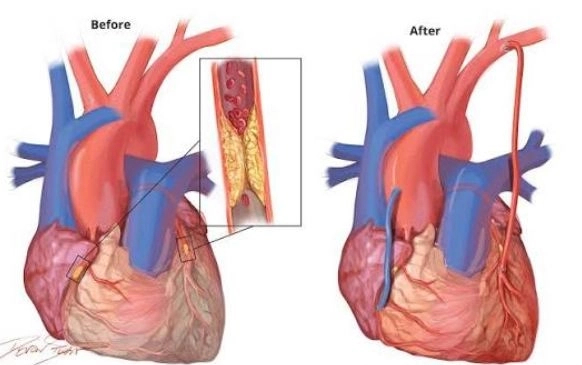
Coronary artery bypass surgery is a surgical procedure designed to create an alternative pathway for blood to reach areas of the heart muscle that receive insufficient blood supply due to narrowing or blockage in the coronary arteries.
A suitable blood vessel from the patient's body is used to create a new route that bypasses the affected section, helping improve blood flow to the heart muscle.
The decision to perform this surgery depends on the number of affected arteries, the location of the blockages, their impact on the heart, and the patient's overall health.
Cardiothoracic surgery is not limited to heart conditions. It also includes the diagnosis, evaluation, and treatment of certain diseases affecting the lungs and other organs within the chest cavity.
Some of the main conditions covered by this specialty include:
Lung tumors.
Esophageal tumors.
Chest wall tumors.
Certain lung diseases requiring surgical intervention.
Conditions requiring thoracoscopic procedures for diagnosis or treatment.
The choice of treatment depends on the type, location, and size of the disease, as well as the results of medical examinations.
Thoracoscopic surgery is a technique used in certain diagnostic and therapeutic procedures inside the chest cavity. A camera and specialized surgical instruments are inserted through small incisions in the chest wall.
Its applications include:
Evaluating certain lung diseases.
Helping diagnose some chest tumors.
Performing certain lung surgeries.
Managing some conditions affecting the chest cavity.
Treating excessive sweating of the palms in selected cases.
The doctor determines whether this technique is suitable based on the patient's condition and the type of procedure required.
Palmar hyperhidrosis is a condition characterized by excessive sweating in the palms beyond the body's normal needs. It may interfere with daily activities such as writing, using electronic devices, and shaking hands.
In some cases that do not respond to non-surgical treatments, surgical intervention using thoracoscopy may be considered after medical evaluation. This procedure is known as cutting or interrupting certain nerve pathways responsible for stimulating sweating.
The patient requires careful medical evaluation before deciding on surgery, including a discussion of the expected results and possible complications, such as compensatory sweating in other areas of the body.
Preparing for heart and chest surgery requires a comprehensive assessment of the patient's overall health. This usually includes:
Reviewing the patient's medical history and current medications.
Performing a medical examination and evaluating heart and respiratory functions.
Conducting the required tests and laboratory investigations according to the type of surgery.
Evaluating imaging results and specialized examinations.
Discussing the surgical procedure and potential risks with the patient.
Providing the necessary preoperative instructions.
Follow-up care after open-heart surgery is an essential part of the treatment journey. Patients need to follow medical instructions and attend regular appointments to monitor recovery and heart function.
Follow-up care usually includes:
Monitoring the patient's health after surgery.
Taking prescribed medications as instructed.
Monitoring the surgical wound and ensuring proper healing.
Following instructions regarding movement and physical activity.
Monitoring heart function according to the doctor's recommendations.
Maintaining a suitable diet and avoiding smoking.
Dr. Mahmoud Ibrahim Salem provides follow-up protocols for open-heart surgery patients until full recovery, according to each patient's needs.
Heart, chest, and coronary artery surgeries require careful evaluation and specialized expertise because these procedures affect vital functions in the body. Accurate diagnosis helps determine the nature of the condition and select the appropriate intervention, in addition to monitoring the patient before and after surgery.
Dr. Mahmoud Ibrahim Salem is a Lecturer and Consultant of Cardiothoracic Surgery at the Faculty of Medicine. He holds a Doctorate in Cardiothoracic Surgery and is a member of the American and European Associations for Cardiothoracic Surgery.