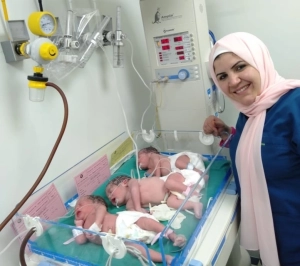

Published on: 2026-11-02 | Written by: Dr. Eman El-Shamsy – Consultant of Obstetrics & Gynecology

Intracytoplasmic Sperm Injection (ICSI) is an advanced assisted reproductive technology used to treat infertility. The procedure involves injecting a single sperm directly into an egg using specialized laboratory equipment to facilitate fertilization and support the possibility of pregnancy.
ICSI may be recommended in cases involving low sperm count, poor sperm motility, abnormal sperm quality, or certain fertility conditions that require assisted reproductive techniques.
Dr. Eman El-Shamsy, Consultant of Obstetrics and Gynecology, Laparoscopic Surgery and ICSI, emphasizes the importance of evaluating both partners before determining whether ICSI is the most appropriate treatment option.
Common Causes of Infertility and the Role of ICSI
Infertility can result from several factors affecting either partner or both. Some of the most common causes include:
Low sperm count or poor sperm motility.
Ovulation disorders and hormonal imbalances.
Blocked or damaged fallopian tubes.
Endometriosis and its impact on fertility.
Reduced egg quality or other egg-related problems.
Unexplained infertility after appropriate medical investigations.
Identifying the underlying cause is essential for selecting the most suitable treatment approach. Depending on the medical assessment, ICSI may be considered as one of the available fertility treatment options.
What Are the Steps of the ICSI Procedure?
The ICSI process involves several important medical stages, including:
Initial Medical Assessment: Fertility tests and examinations for both partners.
Ovarian Stimulation: Medications are used to stimulate the ovaries to produce multiple eggs.
Monitoring Egg Development: Ultrasound scans and blood tests help monitor the response to treatment.
Egg Retrieval: Mature eggs are collected through a specialized medical procedure.
ICSI Procedure: A single sperm is injected directly into each suitable egg in the embryology laboratory.
Embryo Development: The resulting embryos are monitored and assessed in the laboratory.
Embryo Transfer: Suitable embryos are transferred into the uterus according to the treatment plan.
Pregnancy Testing: A pregnancy test is performed at the appropriate time to assess the outcome.
Dr. Eman El-Shamsy highlights the importance of proper medical assessment and monitoring throughout the different stages of infertility treatment.
Factors Affecting ICSI Success Rates
ICSI success rates vary from one couple to another and depend on several medical factors, including:
The woman's age and egg quality.
Sperm quality and overall fertility health.
Uterine health and endometrial condition.
Embryo quality and development.
The couple's medical and reproductive history.
Response to ovarian stimulation medications.
A comprehensive fertility assessment helps determine the most appropriate treatment plan and provides a clearer understanding of the potential outcomes.
When Should You Consult an ICSI Specialist?
Couples are generally advised to seek a fertility evaluation after 12 months of regular unprotected intercourse without pregnancy, or after 6 months if the woman is 35 years of age or older.
Earlier medical assessment may be necessary when there are known fertility problems, irregular menstrual cycles, or relevant reproductive health conditions.
Dr. Eman El-Shamsy provides specialized consultations in obstetrics and gynecology, infertility treatment, and ICSI, helping couples understand the possible causes of delayed pregnancy and explore suitable treatment options based on their individual medical needs.
The Importance of Choosing the Right Fertility Specialist
Successful infertility management begins with accurate diagnosis, understanding the factors affecting fertility, and selecting an appropriate treatment approach. Regular medical follow-up helps couples understand each stage of treatment, available options, and potential outcomes.
Consulting a specialized fertility doctor is an important step toward receiving an individualized treatment plan based on the medical needs of both partners.