
Published on: 2026-10-29 | Written by: Dr. Asmaa El-Faki Dermatology and Aesthetic
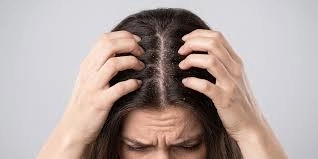
Scalp and hair health is an integral part of an individual's aesthetic appearance and overall well-being, with hair follicles being directly influenced by hormonal changes, dietary habits, psychological stress, and environmental factors. Scalp disorders and hair problems range from genetic and hormonal hair loss (Androgenetic Alopecia), chronic dandruff, seborrheic dermatitis, and alopecia, to follicle weakening and damage caused by chemicals. These conditions require an integrated medical strategy that begins with precise diagnosis of the hair follicles and roots, followed by modern therapeutic protocols that stimulate regrowth and restore vitality from root to tip.
Treatment plans for the scalp and hair aim to stimulate blood circulation in the follicles, treat skin inflammation and balance sebum production, and halt active hair loss to regenerate dense, high-quality hair.
Dr. Asmaa El-Fiky clarifies that treating hair problems should first target the scalp as the microenvironment nurturing the follicle, noting that skin health free of inflammation or fungi is the first and crucial step for the success of any medical or cosmetic hair program.
Nourishing Weak Follicles: Supplying the roots with necessary vitamins and minerals to prolong the anagen (growth) phase of the hair cycle.
Halting Active Hair Loss and Shrinkage: Addressing the impact of dihydrotestosterone (DHT) responsible for follicle miniaturization in genetic hair loss.
Treating Dandruff and Seborrheic Inflammation: Eliminating Malassezia fungi and regulating sebaceous channels to reduce itching and burning.
Improving Hair Thickness and Quality: Strengthening the outer hair shaft and increasing its elasticity to prevent breakage and dryness.
Dermatology and medical aesthetics have witnessed monumental advancements with the emergence of regenerative technologies and targeted treatments acting at the stem cell level of the follicle.
Dr. Asmaa El-Fiky points out that micro-injection techniques such as Platelet-Rich Plasma (PRP), mesotherapy, and modern growth factor therapies (Exosomes) have revolutionized the stimulation of dormant follicles and scalp reconstruction.
Platelet-Rich Plasma (PRP) Injections: Concentrating growth factors from the patient's blood and reinjecting them to stimulate blood vessels nourishing the follicles.
Therapeutic Mesotherapy Sessions: Injecting a customized cocktail of amino acids, vitamins, and anti-hair-loss agents directly into the roots.
Exosome Technology: Highly advanced cellular signals that deeply rejuvenate scalp cells and stimulate dense regeneration.
Low-Level Laser Therapy (LLLT): Stimulating cellular energy (ATP) and strengthening poorly growing hair follicles.
The management of hair and scalp problems follows a rigorous, structured medical protocol starting with microscopic trichoscopic evaluation and concluding with a maintenance program.
Dr. Asmaa El-Fiky advises conducting a scalp dermoscopy/trichoscopy examination and comprehensive laboratory tests (such as iron stores, vitamin D, thyroid function, and hormones) before initiating any therapeutic sessions.
Precise Trichoscopy and Lab Diagnostics: Identifying the type of hair loss (genetic, telogen effluvium, or autoimmune) and assessing hair density and follicular thickness.
Designing a Customized Treatment Protocol: Combining topical pharmacotherapy, oral vitamins, and in-office injection sessions.
Initiating Intensive Therapeutic Sessions: Adhering to injection and topical application schedules to strengthen the roots during initial phases.
Evaluating Response and Gradual Growth: Utilizing periodic microscopic imaging to monitor the appearance of new hair and improved scalp health.
Maintenance and Periodic Sustenance Phase: Transitioning to maintenance doses ensuring the retention of acquired density over the long term.
Behavioral adjustments and daily scalp care serve as the fundamental pillar supporting medical treatments and preventing relapse.
Dr. Asmaa El-Fiky stresses that avoiding harsh sulfate-rich shampoos, staying away from excessive heat styling, and maintaining a protein-rich diet represent indispensable golden rules for every patient.
Choosing Appropriate Care Products: Using a therapeutic shampoo and lotion suitable for the scalp type (oily, dry, or sensitive).
Balanced Nutrition and Hydration: Focusing on proteins, biotin, zinc, and omega-3s to support hair keratin synthesis.
Gentle Hair Styling: Avoiding tight pulling (such as tight ponytails) or brushing hair when soaking wet.
Managing Stress and Psychological Strain: Practicing exercise and relaxation to curb stress-induced telogen effluvium.
Avoiding Harmful Chemical Ingredients: Minimizing chemical hair dyes and straightening treatments that weaken the outer hair structure.
Early Response to the First Signs of Hair Loss: Do not wait for widening scalp gaps before initiating treatment.
Patience and Consistency: Recognize that the hair growth cycle requires several months (3 to 6 months) to yield tangible and clear results.
Adhering to Medical Instructions: Never abruptly stop prescribed topical scalp sprays or drops without consulting the physician.
Maintain Ongoing Follow-Ups with Your Specialist:
Dr. Asmaa El-Fiky emphasizes in her concluding guidance that scalp problems and hair loss are no longer insurmountable hurdles. Modern scientific and technical advancements provide radical, safe solutions for all cases, confirming that correct diagnosis, adherence to the treatment plan, and conscious daily care are the permanent keys to healthy, dense, and vibrant hair.