Published on: 2026-10-29 | Written by: Dr. Ahmed Souka, Professor of Ophthalmology, Faculty of Medicine
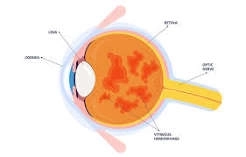
Vitreous hemorrhage is a critical medical condition and eye emergency requiring prompt and precise intervention; clinical resolution here is directly tied to protecting the retina and restoring clear vision. The vitreous body is the transparent gel-filled space between the lens and the retina. When internal bleeding occurs due to the rupture of delicate blood vessels from diabetic retinopathy, high blood pressure, or direct trauma, vision becomes completely obscured, and the patient experiences dark spots, floaters ("cobwebs"), or acute blurred vision.
Therapeutic plans for vitreous hemorrhage aim to clear accumulated blood from the gel cavity, treat the underlying cause of the bleeding, and protect the macula from permanent damage.
Dr. Ahmed Sokka clarifies that vitreous hemorrhage is not a disease in itself, but rather a primary symptom of an internal or vascular issue inside the eye, noting that rapid diagnosis using ocular ultrasound is a crucial step to evaluate retinal integrity beneath the accumulated blood.
Relieving Acute Vision Blurring: Eliminating blood pools that block light from reaching retinal cells.
Treating the Root Cause of Bleeding: Controlling vascular pathology resulting from diabetes or severe hypertension.
Preventing Retinal Detachment: Preventing vitreous fibers from contracting and pulling on the retina, which could lead to total detachment.
Restoring the Patient's Visual Capacity: Re-enabling the patient to perform daily activities and tasks clearly and safely.
Microscopic eye surgery has experienced monumental technological advancements thanks to micro-incision vitrectomy techniques and advanced laser surgeries.
Dr. Ahmed Sokka points out that relying on minimally invasive vitrectomy techniques has revolutionized the clearing of accumulated blood and the precise treatment of retinal tears without the need for complex surgical sutures.
Surgical Vitrectomy: Suctioning out the blood-filled gel and replacing it with a safe compensatory fluid or medical gas to stabilize the retina.
Laser Photocoagulation: Cauterizing ruptured or leaking blood vessels and the area surrounding retinal tears to prevent re-bleeding.
Anti-VEGF Intravitreal Injections: Utilizing intraocular injections to reduce the formation of abnormal, fragile blood vessels.
Advanced Imaging Follow-Up (OCT): Evaluating macular thickness and treatment response periodically with absolute digital precision.
Managing vitreous hemorrhage cases follows a strict, structured medical protocol starting with comprehensive evaluation and clinical rest, concluding with surgery or observation depending on bodily response.
Dr. Ahmed Sokka advises keeping the patient's head elevated at a specific angle during the initial days to allow blood to settle downward away from the direct line of sight, emphasizing that routine ultrasound follow-up precisely determines the optimal timing for surgical intervention.
Clinical Examination and Ultrasound Imaging: Exploring the state of the retina accurately when direct visualization via traditional ophthalmoscopy is blocked by blood density.
Controlling Underlying Systemic Conditions: Meticulously regulating blood sugar and blood pressure levels in collaboration with specialized medical departments.
Safe Observation Period (in Mild Cases): Monitoring the natural absorption of blood gradually over a few weeks with continuous evaluation.
Surgical Intervention Decision (When Absorption Fails): Performing a vitrectomy if blood persists or complications like detachment occur.
Post-Treatment Follow-Up and Vision Stabilization: Assessing visual quality, adjusting therapeutic eye drops, and protecting the eye from impacts.
Behavioral modifications and daily lifestyle habits serve as the primary security shield ensuring ocular healing and preventing recurrent internal bleeding.
Dr. Ahmed Sokka stresses that avoiding sudden bending, refraining from lifting heavy objects, and maintaining strict control over blood sugar and pressure levels serve as indispensable golden rules for every patient following vitreous hemorrhage treatment.
Eye Protection and Wearing Shields: Avoiding any friction or external impact to the eye during the wound healing period.
Avoiding Strenuous Exertion and Physical Pressure: Abstaining from intense exercise, prolonged bending, or straining during bowel movements.
Strict Adherence to Eye Drops: Using prescribed antibiotics and anti-inflammatory drops at exact scheduled times.
Precise Control of Sugar and Pressure: Adhering to internal medications and dietary habits to prevent any pressure on the delicate blood vessels of the eye.
Avoiding Eye Rubbing Completely: Preventing any motion that might cause surgical wounds to open or damage internal eye tissues.
Immediate Consultation with an Eye Specialist for Flashes or Sudden Floaters: Never ignore any sudden blurring or spots in the visual field.
Adhering to Regular Retinal Examination Schedules: Especially for patients with diabetes and chronic hypertension to avoid emergent surprises.
Quitting Smoking and Avoiding Irritants: Protecting vascular health throughout the body and eyes from damage and sclerosis.
Maintain Ongoing Follow-Ups with Your Specialist:
Dr. Ahmed Sokka emphasizes in his concluding guidance that despite vitreous hemorrhage being a frightening and sudden condition for patients, monumental advancements in modern eye surgery guarantee remarkable healing and visual restoration. He confirms that early diagnosis, medical skill, and adherence to a healthy, stable lifestyle are the ultimate guarantees for strong and sustainable visual health.