Published on: 2026-10-29 | Written by: Dr. Ahmed Kamal Consultant Obstetrician

Menstrual cycle disorders and hormonal imbalances are among the most common health challenges faced by women across various life stages. A woman's reproductive health is deeply interconnected with the delicate balance between estrogen, progesterone, follicle-stimulating hormones, and thyroid and pituitary gland secretions. Any disruption to this balance can manifest as absent periods, irregular cycles, heavy uterine bleeding, Polycystic Ovary Syndrome (PCOS), or severe pelvic pain. Managing these conditions requires an integrated medical strategy combining accurate diagnostics, targeted hormone therapy, and key lifestyle modifications to restore balance, preserve fertility, and safeguard overall well-being.
Treatment plans for menstrual cycle disorders aim to regulate a woman's natural hormonal rhythm, stimulate regular ovulation, and improve endometrial lining health.
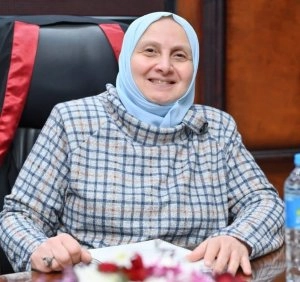
Dr. Ola Mahmoud Farid clarifies that managing menstrual cycle disorders requires a precise diagnostic approach to identify the root cause of the hormonal disruption, noting that early diagnosis prevents long-term complications such as subfertility and osteoporosis.
Restoring Menstrual Cycle Regularity: Stimulating natural ovulation and establishing consistent monthly cycles.
Controlling Severe Bleeding and Pain: Protecting women from anemia and chronic fatigue resulting from irregular uterine bleeding.
Supporting and Enhancing Reproductive Potential: Creating an optimal hormonal environment for healthy oocyte production and higher conception chances.
Protecting Hormone-Dependent Tissues: Safeguarding bone density, skin health, cardiovascular function, and psychological well-being from sharp hormonal fluctuations.
Obstetrics, gynecology, and endocrinology have witnessed major advancements thanks to smart hormone replacement therapies and high-resolution diagnostic tools.
Dr. Ola Mahmoud Farid points out that utilizing modern cycle regulators and insulin-sensitizing agents in PCOS cases has represented a qualitative leap in controlling menstrual irregularities and safely improving ovarian response.
Combined and Replacement Hormone Therapy: Cycle-regulating regimens and hormone formulations designed to balance estrogen and progesterone levels.
Insulin-Sensitizing Agents: Medications that improve insulin sensitivity to lower circulating androgen (male hormone) levels and treat PCOS.
Diagnostic and Operative Hysteroscopy and Laparoscopy: Identifying and excising uterine fibroids or endometrial polyps causing abnormal bleeding.
Thyroid and Prolactin Regulators: Correcting glandular dysfunction that directly impairs ovulation.
Managing a patient with menstrual disorders follows a strict, structured medical protocol starting with comprehensive hormonal assays and concluding with routine monitoring.
Dr. Ola Mahmoud Farid advises performing hormonal panels on specific days of the menstrual cycle (such as days 2 or 3), combined with transvaginal or abdominal ultrasonography to evaluate ovarian reserve and uterine integrity accurately.
Comprehensive Hormonal and Radiological Evaluation: Measuring FSH, LH, estrogen, progesterone, thyroid, and prolactin levels alongside high-resolution ultrasound imaging.
Designing a Customized Treatment Strategy: Selecting appropriate hormonal or non-hormonal pharmacotherapy tailored to the patient's age and reproductive goals.
Monitoring Ovarian and Endometrial Response: Evaluating cycle regularity and endometrial thickness through scheduled follow-up visits.
Dosage Adjustment Based on Re-evaluations: Conducting confirmatory tests to refine medication dosages and achieve optimal hormonal equilibrium.
Long-Term Preventive Maintenance: Establishing a plan to sustain hormonal balance and prevent relapse.
Behavioral adjustments and daily lifestyle habits serve as the essential foundation supporting medical therapy and maintaining long-term hormonal stability.
Dr. Ola Mahmoud Farid stresses that balanced nutrition, achieving weight loss in cases of obesity, and managing acute psychological stress are crucial factors for the success of any hormonal treatment program.
Balanced and Healthy Nutrition: Focusing on foods rich in omega-3 fatty acids, fiber, and leafy greens while minimizing refined sugars and trans fats.
Maintaining a Healthy Weight: Losing even 5% to 10% of body weight significantly aids in restoring regular ovulation in women with PCOS.
Engaging in Regular Physical Activity: Routine walking and moderate exercises improve cellular insulin sensitivity and boost pelvic circulation.
Stress Management: Practicing relaxation techniques and maintaining regular sleep schedules to lower cortisol levels, which negatively impact female hormones.
Avoiding Stimulants and Smoking: Reducing caffeine intake and quitting smoking to protect vascular health and ovarian function.
Track and Log Your Menstrual Cycle: Document dates, flow, and symptoms to assist your physician in precise evaluation.
Avoid Unprescribed Hormonal Treatments: Refrain from taking oral contraceptives or cycle regulators randomly, as this can worsen hormonal disruptions.
Adhere to the Treatment Regimen: Stick to prescribed medications for the full recommended duration to ensure complete hormonal stabilization.
Maintain Ongoing Follow-Ups with Your Specialist:
Dr. Ola Mahmoud Farid emphasizes in her concluding guidance that menstrual cycle disorders and hormonal imbalances are fully manageable and treatable when approached with proper scientific methods. She confirms that health awareness, proper nutrition, and regular medical follow-ups are the primary pathways to optimal female health and a life filled with vitality and peace of mind.