
Published on: 2026-10-29 | Written by: Dr. Alaa Nabil Mohamed, Dermatologist
Skin rejuvenation is one of the most important cosmetic procedures for improving the appearance of the skin and restoring its radiance and vitality, especially with continuous exposure to sunlight, pollution, stress, and lack of sleep, in addition to the natural changes that occur with aging. These factors may cause the skin to look dull, contribute to pigmentation and fine lines, and lead to a loss of hydration and elasticity.
With advances in dermatology and cosmetic medicine, many options are now available to improve skin radiance, ranging from daily skincare routines and suitable medical products to chemical peeling, laser treatments, and certain cosmetic procedures that a doctor may recommend according to each individual's needs.
What Is Skin Rejuvenation?
Skin rejuvenation refers to a range of therapeutic and cosmetic procedures designed to improve skin texture, even out skin tone, reduce the appearance of pigmentation and fine lines, and enhance hydration and overall radiance.
The appropriate method varies from person to person depending on skin type, sensitivity, and the presence of concerns such as acne, pigmentation, post-inflammatory marks, or signs of aging. Achieving suitable results therefore depends on assessing the skin and identifying the underlying concern before selecting a treatment.
What Causes the Skin to Lose Its Radiance?
Several factors may affect skin radiance and make the skin look tired or dull. The most common include:
Sun exposure: Repeated exposure to ultraviolet rays may increase pigmentation, cause dark spots, and contribute to signs of skin aging.
Dehydration and inadequate moisturizing: Insufficient hydration can make the skin look dull and rough and may make fine lines more noticeable.
Aging: The skin's elasticity and its natural ability to retain moisture change over time.
Lack of sleep and stress: These factors may affect the overall appearance of the skin and make it look less vibrant.
Smoking: Smoking may contribute to increased signs of skin aging and affect the skin's appearance.
Accumulation of dead skin cells: This may make the skin surface less smooth and affect its radiance.
Acne and acne marks: Skin inflammation may leave dark spots or scars that affect an even skin tone.
Using unsuitable products: Some harsh skincare products may irritate the skin, increase sensitivity, and worsen pigmentation.
Identifying the factor responsible for the problem helps determine the appropriate skincare approach and improve the skin's appearance.
The Latest Skin Rejuvenation Techniques
Several techniques are available to refresh the skin and improve its radiance. No single technique is suitable for everyone. The choice depends on the concern being treated, the skin's condition, and the expected results.
1. Chemical Peeling
Chemical peeling is a procedure used to improve skin texture and reduce certain types of pigmentation and fine lines. It involves applying chemical solutions at specific concentrations to help remove damaged outer layers of the skin and promote cell renewal.
Chemical peeling may help to:
Improve skin texture and smoothness.
Reduce certain superficial spots and pigmentation.
Improve the appearance of dull skin.
Help reduce the marks left by certain types of acne.
Even out skin tone in suitable cases.
Peels differ according to how deeply they affect the skin. The appropriate type and concentration should therefore be selected by a qualified dermatologist, especially for people with sensitive skin or a tendency to develop post-inflammatory pigmentation. Some peels require a recovery period and specific skincare instructions afterward.
2. Laser Skin Rejuvenation
Certain laser technologies are used to improve the appearance of the skin and treat specific concerns, such as signs of sun damage, certain types of pigmentation, scars, and fine lines, depending on the device and the condition being treated.
Laser sessions may help achieve the following goals:
Improve skin texture.
Reduce the appearance of certain types of pigmentation.
Improve the appearance of superficial scars in suitable cases.
Help stimulate collagen production using certain technologies.
Improve the appearance of fine lines and some signs of aging.
The type of laser and its settings must be selected according to skin type and the condition being treated, as some procedures may cause redness, irritation, or changes in skin color. Recovery time also varies from one technique to another. A proper medical assessment is necessary before undergoing treatment.
3. Mesotherapy for the Skin
Mesotherapy is a term used to describe certain procedures that involve injecting specific substances into the skin or its superficial layers, depending on the product used and the purpose of treatment.
Some mesotherapy protocols are used in cosmetic medicine to improve the appearance of the skin. However, results vary according to the substances used and the individual's condition, and evidence supporting the effectiveness of some cosmetic formulations remains limited.
It is therefore important to understand which substances will be used and discuss their potential benefits and risks with the doctor before undergoing the procedure. Mesotherapy should not be considered a universal treatment for all skin concerns.
4. Platelet-Rich Plasma (PRP)
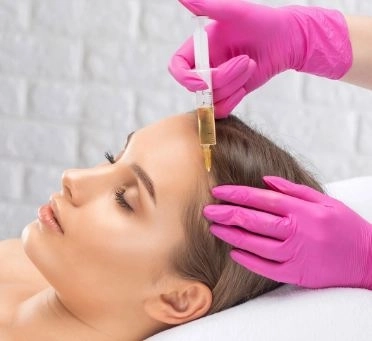
Platelet-rich plasma therapy involves drawing a blood sample from the patient and processing it to separate plasma containing a high concentration of platelets. The plasma is then used in a specific medical procedure.
This technique is being studied and used in certain dermatological and cosmetic procedures. It may help improve some aspects of skin quality in selected cases, but results vary depending on the concern and the treatment method. Complete restoration of skin radiance or the total removal of wrinkles and pigmentation cannot be guaranteed.
A medical assessment is necessary to determine whether PRP is suitable, and the procedure must be performed under appropriate sterile conditions with proper aftercare instructions.
5. Microneedling to Improve Skin Texture
Microneedling involves creating controlled, tiny punctures in the skin using a specialized device to stimulate the skin's natural repair processes. It may be used to improve the appearance of certain scars, acne marks, and fine lines.
Results vary according to the skin's condition, the depth of the procedure, and the number of sessions. Temporary redness or irritation may occur afterward. The procedure should also be avoided in areas with active infections or certain skin conditions that could worsen with treatment.
Deep microneedling devices should not be used at home without appropriate medical supervision, as this may increase the risk of infection, scarring, and pigmentation changes.
How Can Daily Skincare Help Restore Skin Radiance?
Skin radiance does not depend solely on cosmetic procedures. It also requires an appropriate daily routine that helps protect the skin and maintain hydration.
Cleansing the Skin Properly
A gentle cleanser suitable for the skin type is recommended. Excessive washing and products that cause dryness or irritation should be avoided. Proper cleansing helps remove dirt, excess oil, and makeup residue without damaging the skin's natural barrier.
Moisturizing the Skin Regularly
Using a suitable moisturizer helps reduce water loss from the skin and improve its texture. The ideal moisturizer varies according to skin type. Dry skin may require richer formulations, while lightweight products that do not clog pores may be more suitable for oily skin.
Using Sunscreen
Sun protection is an essential step in maintaining skin radiance and reducing the worsening of pigmentation and premature signs of aging. A broad-spectrum sunscreen with an appropriate sun protection factor should be used and reapplied according to its instructions, especially when spending time outdoors or after swimming and sweating.
Choosing Suitable Skincare Products
Certain ingredients, such as vitamin C, niacinamide, and hyaluronic acid, may support a skincare routine depending on the formulation, concentration, and needs of the skin. However, no single formulation suits everyone, and some ingredients may irritate sensitive skin.
New products should be introduced gradually, and several strong active ingredients should not be combined without understanding how to use them correctly.
Skin Rejuvenation for Pigmentation and Acne Marks
Loss of radiance may be associated with pigmentation, dark spots, or marks left by previous inflammation. In these cases, the underlying concern should be addressed rather than relying on skin-rejuvenation sessions alone.
Treatment may include dermatologist-recommended topical products, chemical peels, or certain laser technologies, depending on the type and depth of pigmentation and the skin tone. Acne marks may require a different treatment plan depending on whether they consist of dark spots, depressed scars, or changes in skin texture.
Active acne or existing skin inflammation should be treated before certain cosmetic procedures to reduce the risk of irritation and complications.
How Many Skin Rejuvenation Sessions Are Needed?
The number of sessions varies according to the technique used, the condition being treated, and the skin's response. Some procedures may require only one session, while others need several sessions spaced at intervals determined by the doctor.
The speed at which results appear also varies. Some procedures produce gradual improvement, while treatments targeting pigmentation or scars may require more time before their effectiveness can be evaluated.
Sessions should not be repeated too frequently or performed at higher intensity without medical assessment, as excessive procedures may irritate the skin or worsen pigmentation instead of improving it.
Tips for Maintaining Skin Radiance After Treatment
To help maintain results and reduce the risk of irritation, the following recommendations may be useful:
Follow the doctor's instructions after the procedure.
Use gentle skincare products and moisturizers suitable for the skin.
Avoid direct sun exposure whenever possible and use sunscreen consistently.
Do not peel the skin or forcibly remove flakes after procedures.
Avoid strong acids and exfoliants until the doctor advises that they can be used.
Drink an appropriate amount of water and follow a balanced diet.
Get sufficient sleep.
Consult the doctor if severe pain, increasing swelling, signs of