Published on: 2026-10-29 | Written by: Dr. Salem Mahrous Center for Physiotherapy
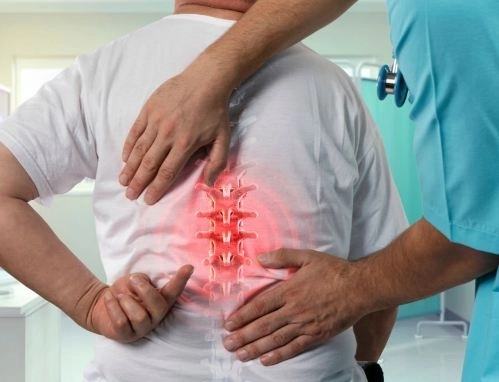
Spinal rehabilitation is one of the most important fields of physical therapy, as it helps improve mobility, reduce back and neck pain, and restore the ability to perform daily activities more comfortably. Spinal rehabilitation aims to improve muscle and joint flexibility, strengthen the muscles that support the vertebrae, and help correct body posture according to each patient’s condition and needs.
Dr. Salem Mahrous, a Physical Therapy and Nutrition Specialist at Ministry of Health hospitals, provides specialized programs for spinal rehabilitation and the management of conditions that affect movement and the ability to perform daily activities, drawing on his experience in physical therapy and rehabilitation.
What Is Spinal Rehabilitation?
Spinal rehabilitation is a combination of physical therapy programs and therapeutic exercises designed to improve spinal function, reduce pain, and enhance muscle strength and flexibility. The rehabilitation program depends on evaluating the patient’s condition, identifying the cause of the pain and its effect on movement, and then developing an appropriate rehabilitation plan.
Rehabilitation helps improve muscle balance, reduce pressure on the vertebrae, and teach patients how to move correctly to minimize strain on the back and neck.
Which Conditions Require Spinal Rehabilitation?
Many conditions may benefit from spinal rehabilitation programs, including:
Lower back pain caused by muscle strain or certain spinal problems.
Neck pain and muscle tension caused by prolonged sitting.
Herniated discs, depending on the assessment of the condition and the treating physician’s recommendations.
Weakness in the muscles surrounding the spine.
Postural problems resulting from incorrect daily habits.
Difficulty moving or limited flexibility in the back and neck.
Rehabilitation after certain spinal surgeries, according to the surgeon’s instructions.
Some conditions involving changes in spinal curvature that require specialized assessment.
Not all cases of back pain require the same treatment program. Rehabilitation varies according to the cause and severity of the problem and the patient’s general health.
What Causes Spinal Pain?
Spinal pain may result from several factors affecting the vertebrae, muscles, and surrounding ligaments, including:
Sitting for long periods without changing body position.
Bending incorrectly while using a phone or computer.
Weak abdominal and back muscles.
Lifting heavy objects incorrectly.
Lack of movement and physical activity.
Repeated muscle strain.
Certain changes affecting the discs or joints with age.
Identifying the cause helps determine the appropriate physical therapy program instead of relying on general exercises that may not suit every condition.
How Does Physical Therapy Help with Spinal Rehabilitation?
Physical therapy uses a range of methods aimed at relieving pain, improving mobility, and restoring normal body function. Appropriate methods are selected after assessing the patient’s condition, and the program may include the following:
1. Therapeutic Exercises
Therapeutic exercises help strengthen the muscles that support the spine and improve their flexibility. They also contribute to better muscle balance and improved mobility. Exercises should be selected according to the patient’s condition, while avoiding movements that worsen the pain.
2. Improving Body Posture
Learning to sit and stand correctly helps reduce strain on the back and neck muscles. Rehabilitation also includes learning how to change body position during work and how to use phones and computers in ways that reduce pressure on the spine.
3. Improving Flexibility and Mobility
The program may include exercises to improve muscle and joint flexibility and increase the range of motion, helping patients perform daily activities more comfortably.
4. Training in Correct Movement
Rehabilitation includes learning appropriate techniques for bending, lifting objects, and getting up from a seated position. These techniques help reduce repeated strain on the back.
5. Supportive Physical Therapy Techniques
A physical therapist may use certain treatment methods to relieve pain and improve mobility, depending on the assessment of the patient’s condition. However, these supportive methods do not replace therapeutic exercises and movement-based rehabilitation when needed.
The Importance of Strengthening the Back and Abdominal Muscles
The abdominal and back muscles play an important role in supporting the spine and helping maintain body stability during movement. Weakness in these muscles may increase the strain on certain parts of the back during daily activities.
Appropriate exercises help improve muscle strength, movement control, and balance. However, exercise should begin gradually, and strenuous or unsuitable exercises should be avoided, particularly in cases involving a herniated disc or severe pain.
Spinal Rehabilitation After Prolonged Sitting
Office work and prolonged use of electronic devices can affect movement habits and body posture. Some people may experience neck or lower back pain as a result of remaining in the same position for extended periods.
These problems can be reduced by following several recommendations, such as:
Changing sitting positions regularly.
Taking short movement breaks during working hours.
Adjusting the chair and screen height to maintain a comfortable posture.
Avoiding continuous forward bending.
Performing appropriate exercises to improve muscle strength and flexibility.
Avoiding any movement that increases pain.
Tips for Maintaining Spinal Health
Healthy daily habits help support spinal health and reduce the likelihood of muscle strain. Important recommendations include:
Engaging in appropriate physical activity regularly.
Maintaining a comfortable posture while sitting and standing.
Lifting objects by bending the knees while avoiding sudden twisting of the torso.
Avoiding lifting heavy weights incorrectly.
Getting adequate sleep and rest.
Following the rehabilitation program prescribed by the physical therapist.
Avoiding unsuitable exercises when experiencing increasing pain.
If severe pain, new weakness in the limbs, loss of sensation in the area between the thighs, or loss of bladder or bowel control occurs, seek urgent medical evaluation.
When Do the Results of Spinal Rehabilitation Appear?
Rehabilitation outcomes vary from person to person depending on the cause of the problem, its severity, how long the symptoms have been present, and adherence to the treatment program. Some patients may notice gradual improvements in mobility and pain, while other conditions may require a longer rehabilitation period.
Achieving the best possible results depends on an accurate assessment, selecting appropriate exercises, following treatment instructions, and reviewing the plan when necessary. A fixed treatment duration cannot be determined before the condition is assessed.
Spinal Rehabilitation with Dr. Salem Mahrous
Dr. Salem Mahrous, a Physical Therapy and Nutrition Specialist at Ministry of Health hospitals, focuses on spinal rehabilitation and the management of problems that affect movement, in addition to providing physical therapy programs related to obesity and clinical nutrition.
The appropriate program is determined according to the symptoms and needs of each patient, with the aim of improving mobility, strengthening the muscles that support the spine, and helping patients regain their ability to perform daily activities.
Conclusion
Spinal rehabilitation is an important part of physical therapy for many back, neck, and mobility problems. It aims to relieve pain, improve flexibility, strengthen muscles, and enhance the ability to perform daily activities. Assessing the patient’s condition and identifying the underlying cause of symptoms remain essential steps in selecting the appropriate treatment program, alongside following the physical therapist’s instructions and avoiding exercises that may worsen the problem.