
Published on: 2026-10-27 | Written by: Dr. Mohamed Refaat Rifai, Consultant Neurosurgeon
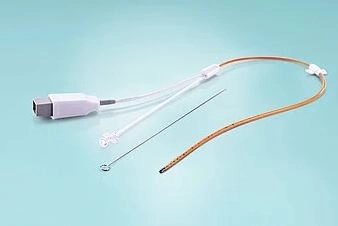
Cerebral catheterization stands as one of the greatest medical breakthroughs in modern neurosurgery and interventional radiology, given its critical role in diagnosing and treating delicate vascular diseases within the brain without the need for traditional open-skull surgeries. This advanced technique relies on inserting an extremely fine catheter through the femoral or radial artery to reach the brain's blood vessels with utmost precision, enabling physicians to immediately and safely manage acute blood clots, aneurysms, and arteriovenous malformations.
Cerebral catheterization aims to image the brain's vascular network with millimeter precision and treat life-threatening lesions—such as blockages and internal bleeding—before they escalate.
Dr. Mohamed Rifaat Refaey clarifies that cerebral catheterization represents a genuine revolution in neurology by combining precise diagnosis and immediate treatment into a single procedure, noting that early intervention using catheterization saves the lives of millions of patients facing strokes.
Accurate Diagnosis of Blockages and Malformations: Detecting narrow arterial sites and aneurysms with a level of precision conventional imaging cannot achieve.
Dissolving and Extracting Acute Brain Clots: Restoring blood and oxygen flow to brain tissue during the critical early hours of a stroke.
Treating Cerebral Aneurysms: Preventing vascular rupture and wall weakness by sealing them off with microscopic coils or specialized stents.
Minimizing Open Surgery Risks: Sparing patients the pain, complications, and prolonged recovery periods associated with traditional craniotomy procedures.
Cerebral catheterization has experienced monumental technological advancements thanks to high-resolution 3D imaging systems and specialized micro-devices used to seal and dilate blood vessels.
Dr. Mohamed Rifaat Refaey points out that utilizing state-of-the-art interventional radiology equipment and computer-assisted neuro-navigation has elevated success rates for complex procedures to record highs while ensuring maximum patient safety.
Stent Retrievers (Clot Removal Catheters): Delicate mesh structures delivered via catheter to completely capture and withdraw blood clots from cerebral arteries.
Microcoils: Sub-millimeter platinum coils used to pack and secure aneurysms, preventing hemorrhage.
Smart Flow-Diverting Stents: Custom-designed stents engineered to conform to the curves of delicate cerebral arteries and reinforce weakened walls.
Digital Subtraction Angiography (DSA): An advanced imaging technology providing a clear, real-time map of blood flow within brain tissue second by second.
The cerebral catheterization procedure follows a rigorous, structured medical protocol starting with comprehensive pre-procedural evaluation and concluding with close monitoring in the recovery unit.
Dr. Mohamed Rifaat Refaey advises performing comprehensive blood coagulation tests, kidney function assessments, and a thorough neurological evaluation prior to the procedure, emphasizing that meticulous preparation is the cornerstone of patient safety.
Comprehensive Evaluation and Laboratory Prep: Checking complete blood counts, coagulation profiles, and vascular CT or MRI scans.
Safe Local or General Anesthesia: Administering appropriate anesthesia tailored to the nature of the case (diagnostic versus complex therapeutic).
Vascular Access and Catheter Insertion: Gently guiding the catheter from the femoral or wrist artery up to the targeted cerebral vessels.
Executing the Diagnostic or Therapeutic Intervention: Injecting safe contrast dye, extracting clots, or sealing aneurysms precisely under digital microscopic guidance.
Catheter Withdrawal and Hemostasis: Carefully removing the tube and sealing the access site using modern closure devices or firm compression to prevent bleeding.
Home care and careful medical follow-up during the initial days following catheterization are the true guarantees of stability and complication prevention.
Dr. Mohamed Rifaat Refaey stresses that patient adherence to post-procedure medical instructions, avoiding strenuous exertion or emotional distress, and maintaining prescribed blood-thinning medications are crucial factors for ensuring full recovery.
Protecting the Access Site: Keeping the puncture site at the groin or wrist clean, dry, and free from direct pressure.
Adhering to Anticoagulation and Prevention Medications: Never stopping or adjusting anti-platelet or blood-thinning therapies without direct guidance from the treating physician.
Avoiding Strenuous Physical Exertion: Refraining from lifting heavy objects or engaging in intense exercise for several days following the procedure.
Monitoring Vital Signs and Blood Pressure: Maintaining stable blood pressure within normal parameters to prevent undue stress on cerebral vessels.
Rest and Stress Management: Granting the body and brain adequate rest and peaceful sleep to restore full vitality.
Rapid Intervention for Stroke Symptoms: Seeking immediate emergency medical care upon noticing slurred speech, facial drooping, or sudden limb numbness.
Strict Control Over Risk Factors: Regularly managing hypertension, diabetes, and hyperlipidemia to protect arterial health.
Complete Smoking Cessation: Protecting the vascular lining from damage, blood hyperviscosity, and clot formation.
Maintain Ongoing Follow-Ups with Your Specialist:
Dr. Mohamed Rifaat Refaey emphasizes in his concluding guidance that modern cerebral catheterization techniques have completely reshaped the treatment landscape for brain disorders and strokes with astonishing success rates. He confirms that symptom awareness, prompt intervention during the critical window, and strict adherence to medical guidelines are the true shields for strong, sustainable brain health.