Published on: 2026-10-27 | Written by: Dr. Ghada Arafat Al-Saidi, Consultant Neurosurgeon
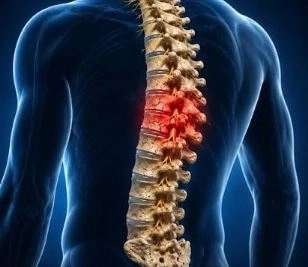
the causes, symptoms, diagnosis, treatment, and rehabilitation of spinal cord and spinal column injuries with Dr. Ghada Arafat El-Saidi, Consultant in Neurosurgery and Spine Surgery.
What Are Spinal Cord and Spinal Column Injuries?
Spinal cord and spinal column injuries are medical conditions that require careful and prompt evaluation. The spinal column supports the body and protects the spinal cord and nerves responsible for movement, sensation, and many vital functions. Injuries can range from bruises, vertebral fractures, and ligament injuries to spinal cord damage that may affect movement or sensation to varying degrees.
The severity of an injury depends on its location, nature, and the extent to which the vertebrae and nerves are affected. Early diagnosis and appropriate medical care can help reduce complications and determine the most suitable treatment plan for each patient.
Causes of Spinal Cord and Spinal Column Injuries
Several factors can cause spinal column or spinal cord injuries, including:
Road traffic accidents: These may result in vertebral fractures, dislocations, or direct spinal cord injuries.
Falls from heights: Falls can cause injuries to the cervical, thoracic, or lumbar vertebrae.
Sports injuries: These are particularly associated with contact sports, falls, and forceful movements of the neck and back.
Workplace or household accidents: These may cause spinal injuries of varying severity.
Direct trauma: A strong blow to the back or neck may damage the spinal column or surrounding tissues.
Conditions that weaken the bones: Certain conditions may increase the risk of vertebral fractures, sometimes even after relatively minor injuries.
Not every spinal column injury involves spinal cord damage. However, medical evaluation is essential when a serious injury is suspected or neurological symptoms develop.
Symptoms of Spinal Cord and Spinal Column Injuries
Symptoms depend on the location and severity of the injury. They may appear immediately after an accident or develop over time. Possible symptoms include:
Severe or persistent neck or back pain.
Difficulty moving the neck or back normally.
Weakness in the arms or legs.
Numbness, tingling, or loss of sensation in parts of the body.
Difficulty standing, walking, or maintaining balance.
Partial or complete loss of movement in severe cases.
Changes in bladder or bowel control.
Breathing difficulties in some cases of severe cervical spinal cord injury.
Not all symptoms occur in every case. Being able to move the limbs does not rule out a serious spinal injury.
Types of Spinal Column and Spinal Cord Injuries
1. Vertebral Fractures
Vertebral fractures may occur as a result of accidents, falls, or weakened bones. Their severity depends on the location of the fracture, whether the affected vertebra remains stable, and whether the spinal cord or nerve roots are compressed.
Some fractures require immobilization and follow-up care, while unstable fractures may require surgery to protect the nerves and improve spinal stability.
2. Cervical Spine Injuries
The cervical vertebrae are located in the neck. Injuries in this area require particular attention because of the spinal cord's role in transmitting nerve signals to many parts of the body. Severe cervical injuries may lead to limb weakness or sensory disturbances and, in some cases, affect breathing.
3. Thoracic and Lumbar Spine Injuries
These injuries may result from road accidents, falls, or sports-related trauma. They can cause severe pain and difficulty moving. If accompanied by nerve compression, they may also affect sensation and movement in the legs.
4. Spinal Cord Injury
Spinal cord injuries may be classified as complete or incomplete, depending on the extent of the damage. Their effects vary according to the location and severity of the injury. Possible consequences include muscle weakness, loss of sensation, or changes in certain neurological functions.
The severity of an injury cannot be determined from symptoms alone. A medical examination and appropriate imaging tests are necessary.
5. Ligament and Disc Injuries
The ligaments that stabilize the vertebrae may stretch or tear. Injuries may also affect the intervertebral discs located between the vertebrae. Treatment depends on the extent of the damage and its effect on spinal stability and the surrounding nerves.
When Are Spinal Injuries a Medical Emergency?
Emergency medical assistance should be requested if a spinal injury is suspected after an accident or fall, particularly if any of the following symptoms occur:
Sudden weakness or loss of movement in the arms or legs.
Severe numbness or loss of sensation following an injury.
Severe neck or back pain after a major accident.
Difficulty breathing.
Loss of bladder or bowel control, or a sudden change in their function.
Altered consciousness or other serious associated injuries.
If a spinal injury is suspected, do not move the injured person, force them to stand, or attempt to change the position of their neck or back. Keep them as still as possible and follow the emergency responders' instructions, as inappropriate movement may worsen the injury.
How Are Spinal Cord and Spinal Column Injuries Diagnosed?
Diagnosis depends on how the injury occurred, an examination of muscle strength, sensation, and reflexes, and imaging tests selected according to the patient's condition.
Diagnostic methods may include:
X-rays: These can help identify certain vertebral fractures or changes in vertebral alignment.
CT scans: These provide more detailed information about bone fractures.
MRI scans: These help assess the spinal cord, ligaments, intervertebral discs, and surrounding tissues, particularly when neurological injury is suspected.
Neurological examination: This evaluates movement and sensation and helps determine the extent of nerve involvement.
The doctor selects the necessary tests based on the type of accident, the symptoms, and the clinical examination findings.
Treatment Options for Spinal Cord and Spinal Column Injuries
There is no single treatment suitable for all spinal injuries. The treatment plan depends on the type and severity of the injury, spinal stability, and whether the spinal cord or nerves are compressed.
Conservative Treatment
Conservative treatment may be appropriate for certain stable injuries that do not require surgery. It may include:
Pain relief as recommended by the treating doctor.
Using a brace or immobilization device when necessary.
Modifying daily activities and avoiding movements that could worsen the injury.
Medical follow-up to monitor recovery and identify complications.
Braces should not be used, and therapeutic exercises should not be started, without medical evaluation, particularly after a recent injury.
Surgical Intervention
Surgery may be necessary in certain cases, such as unstable fractures, significant spinal cord or nerve compression, or spinal deformities that require correction. The procedure depends on the location and nature of the injury and may involve decompressing the nerves or stabilizing the vertebrae using appropriate techniques.
A neurosurgeon or spine surgeon determines whether surgery is necessary after reviewing the patient's condition and imaging results.
Rehabilitation and Physical Therapy
Once the injury has stabilized, the patient may need a rehabilitation program to help restore as much movement and functional ability as possible. Depending on the injury and the treating team's recommendations, rehabilitation may include mobility exercises, balance training, muscle strengthening, and practice with daily activities.
Patients with spinal cord injuries may require a multidisciplinary rehabilitation plan to address challenges involving movement, sensation, and everyday functions, along with monitoring for possible complications.
Is Recovery Possible After a Spinal Cord Injury?
Recovery varies from one person to another, depending on the location and severity of the injury, the extent of spinal cord damage, and how quickly appropriate medical care is provided. Some injuries may improve significantly, while more severe injuries may require long-term treatment and rehabilitation.
Following the treatment plan and attending regular follow-up appointments can help identify and manage complications. Appropriate rehabilitation may also improve independence and the ability to perform daily activities as much as possible.
How to Prevent Spinal Column Injuries
Certain safety measures can help reduce the risk of spinal injuries, including:
Wearing a seat belt when driving or riding in a vehicle.
Wearing an appropriate helmet when cycling or participating in sports that require one.
Following workplace safety guidelines.
Avoiding diving into water of unknown depth.
Using appropriate protective equipment during sports.
Maintaining bone health and treating conditions that may increase the risk of fractures.
These measures cannot prevent every injury, but they may reduce the likelihood or severity of many spinal injuries.
Conclusion
Spinal cord and spinal column injuries must be taken seriously because some injuries can affect the nerves, movement, and sensation. Early medical evaluation helps determine the type and severity of the injury and whether conservative treatment, surgery, or rehabilitation is appropriate. If an injury is suspected after an accident or fall, avoid moving the injured person and seek emergency medical assistance.