Published on: 2026-10-27 | Written by: Dr. Ghada Arafat Al-Saidi, Consultant Neurosurgeon
the causes, symptoms, diagnosis, and treatment of lumbar and cervical disc herniation with Dr. Ghada Arafat El-Saidi, Consultant in Neurosurgery and Spine Surgery in Alexandria, Egypt.
What Is Lumbar and Cervical Disc Herniation?
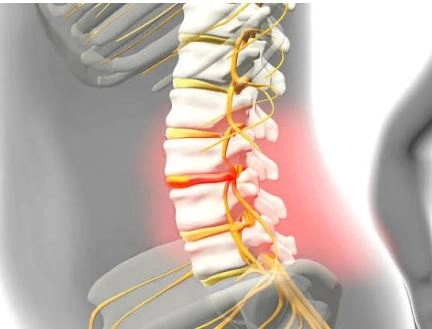
Disc herniation is a common condition affecting the spine. It can occur in the cervical vertebrae in the neck or the lumbar vertebrae in the lower back. The spine consists of vertebrae separated by intervertebral discs that absorb shock and facilitate movement. Each disc has a soft inner portion surrounded by a tougher outer layer.
A herniated disc occurs when part of the disc protrudes beyond its normal position. This may compress or irritate nearby nerves, causing pain, numbness, and sometimes muscle weakness, depending on the location of the herniation and the degree of nerve involvement.
Dr. Ghada Arafat El-Saidi, Consultant in Neurosurgery and Spine Surgery and Head of the Neurosurgery Department at Abu Qir Hospital in Alexandria, provides specialized assessment of spinal conditions, including lumbar and cervical disc herniation, and helps determine appropriate treatment options according to each patient's condition.
First: Lumbar Disc Herniation
Lumbar disc herniation occurs when a disc between the vertebrae in the lower back protrudes from its normal position. This may compress the nerve roots that extend into the legs. It is one possible cause of lower back pain and sciatica, particularly when the herniated disc affects the sciatic nerve or one of its roots.
Causes of Lumbar Disc Herniation
Several factors may increase the likelihood of lumbar disc herniation, including:
Age-related changes and gradual degeneration of the discs.
Lifting heavy objects incorrectly.
Repeated bending and twisting while carrying objects.
Prolonged sitting and limited physical activity.
Excess body weight, which may increase the load on the spine.
Weak back and abdominal muscles.
Injuries or sudden movements that affect the lower back.
The presence of one of these factors does not necessarily mean that a disc herniation will develop. In some cases, there may be no clear cause.
Symptoms of Lumbar Disc Herniation
Symptoms vary according to the location of the herniated disc and the degree of nerve compression. They may include:
Lower back pain that may worsen with movement or bending.
Pain radiating from the lower back to the buttocks and leg.
Numbness or tingling in the leg or foot.
Weakness in certain leg or foot muscles.
Increased pain when coughing, sneezing, or straining in some cases.
Difficulty standing or walking for long periods because of pain.
Some patients experience more pain in the leg than in the back. Therefore, the severity of a disc herniation cannot be determined by pain intensity alone.
Second: Cervical Disc Herniation
Cervical disc herniation occurs when one of the discs between the vertebrae in the neck protrudes from its normal position. It may compress the nerve roots that extend toward the shoulders, arms, and hands. In some cases, the herniated disc may compress the spinal cord itself, requiring careful assessment to determine the extent of neurological involvement.
Causes of Cervical Disc Herniation
Factors that may contribute to cervical disc herniation include:
Age-related degenerative changes.
Prolonged sitting with poor head and neck posture.
Frequent use of mobile phones or computers while keeping the neck bent.
Neck injuries or accidents.
Sudden movements or repeated strain on the neck.
Changes that affect the flexibility of the discs and surrounding ligaments.
The causes vary from one person to another, and several factors may contribute to the development of symptoms.
Symptoms of Cervical Disc Herniation
Symptoms of cervical disc herniation may include:
Neck pain that worsens with certain movements.
Pain radiating to the shoulder or arm.
Numbness or tingling in the fingers.
Weakness in the arm or hand muscles.
Difficulty moving the neck normally because of pain.
Headaches in some patients, depending on the associated condition.
Balance problems or difficulty walking when the spinal cord is affected.
Weakness in the hands, difficulty walking, or worsening balance may indicate spinal cord compression and require urgent medical assessment.
What Is the Difference Between Lumbar and Cervical Disc Herniation?
The main difference lies in the location of the affected disc and the symptoms it may cause:
Lumbar disc herniation: Affects the lower back and may cause pain radiating to the buttocks, legs, and feet.
Cervical disc herniation: Affects the neck and may cause pain radiating to the shoulders, arms, and hands.
Nerve involvement: Both types may cause numbness or muscle weakness, depending on which nerve is affected.
Spinal cord involvement: This may occur in some cases of cervical disc herniation and can lead to problems with balance, walking, and hand movements.
The type and severity of the condition are determined through medical examination rather than symptoms alone.
How Is Lumbar and Cervical Disc Herniation Diagnosed?
Diagnosis begins with taking the patient's medical history and asking about the nature, location, and timing of the pain. A physical and neurological examination is then performed to assess movement, muscle strength, sensation, and reflexes.
The doctor may recommend certain investigations, including:
1. Magnetic Resonance Imaging (MRI)
MRI helps visualize the discs, nerves, and spinal cord. It can identify the location of the herniation and assess its effect on surrounding structures.
2. X-rays
X-rays may be used to assess the alignment and position of the vertebrae and identify certain bony changes. However, they do not show disc and nerve details as clearly as MRI.
3. Neurological Tests
Nerve conduction studies and electromyography may be recommended in some cases, particularly when nerve function needs to be evaluated or different causes of numbness and weakness need to be distinguished.
Not every patient requires all these tests. The doctor determines which investigations are necessary according to the symptoms and examination findings.
Treatment Options for Lumbar and Cervical Disc Herniation
Treatment depends on the severity of symptoms, the degree of nerve or spinal cord involvement, the duration of symptoms, and the patient's general health.
1. Conservative Treatment
Many cases of disc herniation can be treated without surgery, particularly when there is no progressive neurological weakness or dangerous spinal cord compression.
Conservative treatment may include:
Medications prescribed by the doctor to relieve pain and inflammation when appropriate.
Modifying daily activities and avoiding movements that worsen the pain.
Maintaining gentle, appropriate movement instead of prolonged bed rest.
Physical therapy based on a specialist's assessment.
Suitable exercises to strengthen muscles and improve mobility after determining whether they are appropriate for the patient.
Strenuous exercises and forceful manipulation of the neck or spine should be avoided without medical assessment, particularly when neurological symptoms are present.
2. Physical Therapy
Physical therapy may help some patients relieve pain, improve movement, and strengthen the muscles that support the spine. The treatment program varies according to the location of the herniation, the severity of the condition, and the associated symptoms.
The program may include exercises to improve posture, gradual strengthening exercises, and guidance on proper sitting, movement, and lifting techniques.
Exercises should be selected according to the patient's condition. Any exercise that significantly worsens pain or causes new neurological symptoms should be stopped.
3. Non-Surgical Interventional Treatments
In some cases, the doctor may recommend targeted procedures to relieve pain caused by irritation of the nerve roots, such as certain types of injections around the nerves, depending on the diagnosis and the patient's medical condition.
These procedures are not suitable for everyone, and they do not necessarily correct the structural cause of the herniation. Their potential benefits, risks, and expected outcomes should therefore be discussed with the treating doctor.
4. Disc Herniation Surgery
Surgery may become necessary when symptoms do not improve despite appropriate conservative treatment, when neurological weakness progresses, when significant spinal cord compression is present, or when other symptoms require urgent intervention.
Depending on the location and nature of the condition, surgical options may include:
Removing the herniated portion of the disc that is compressing the nerve.
Lumbar disc surgery to relieve pressure on the nerve roots.
Cervical disc surgery to relieve pressure on the nerves or spinal cord.
Certain microsurgical or minimally invasive techniques when appropriate.
Spinal fusion in selected cases where stabilization is necessary.
Not every patient with a herniated disc requires surgery. The decision depends on the symptoms, examination findings, imaging results, and response to previous treatment.
When Does Disc Herniation Require Urgent Medical Attention?
Certain symptoms require an emergency department visit or urgent medical assessment, including:
Loss of bladder or bowel control, or new difficulty urinating.
Loss of sensation around the genitals or between the thighs.
Sudden or progressive weakness in an arm or leg.
New difficulty walking or significant balance problems.
Severe or rapidly worsening neurological symptoms.
These signs may indicate dangerous compression of the nerves or spinal cord. Medical assessment should not be delayed if they occur.
Tips to Help Prevent Worsening Disc Herniation Symptoms
Certain daily habits may help reduce stress on the spine and improve mobility, including:
Avoiding improper lifting of heavy objects.
Bending the knees when lifting while keeping the load close to the body.
Avoiding sudden twisting movements while carrying heavy objects.
Maintaining proper posture while sitting and working.
Taking short breaks when sitting for long periods.
Engaging in appropriate physical activity regularly.
Maintaining a healthy weight.
Following the doctor's instructions and attending physical therapy when prescribed.
These recommendations cannot guarantee complete prevention of disc herniation, but they may help protect the back and neck and reduce stress on the spine.
Conclusion
Lumbar and cervical disc herniation differ in the location of the affected disc and the symptoms they cause. However, both can affect the nerves and lead to pain, numbness, and muscle weakness. Accurate diagnosis helps determine the most appropriate treatment, whether conservative care or surgery when necessary.
Dr. Ghada Arafat El-Saidi provides specialized consultation in neurosurgery and spine surgery in Alexandria, including the assessment of lumbar and cervical disc herniation and the determination of appropriate treatment options according to each patient's condition.