
Published on: 2026-10-27 | Written by: Dr. Nada Selim Heneidy, Specialist in Gastroenterology
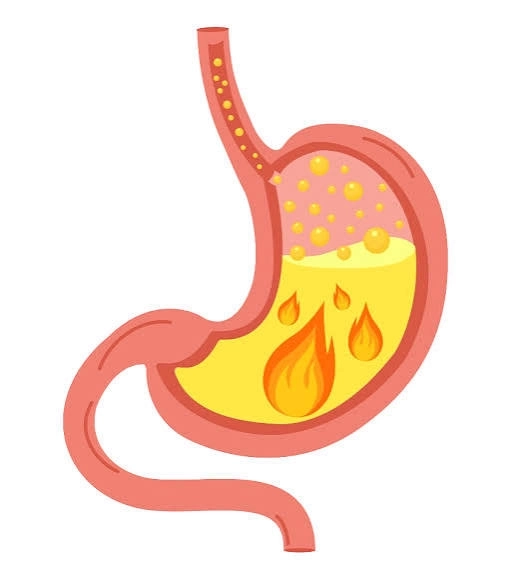
Gastroesophageal Reflux Disease (GERD) is one of the most common and distressing digestive disorders in modern medicine. It occurs due to a dysfunction or weakening of the lower esophageal sphincter (LES), which allows stomach acid and digestive fluids to flow backward up into the esophagus. This continuous reflux leads to inflammation of the sensitive esophageal lining, presenting uncomfortable symptoms such as severe heartburn, chest pain, difficulty swallowing, and acid regurgitation. Managing this condition requires a thorough understanding and integrated medical strategy that combines targeted pharmacotherapy, essential dietary modifications, and lifestyle management to protect the esophagus and restore complete comfort.
Treatment plans for GERD aim to control stomach acid secretion, protect the esophageal mucosa from erosion, and reduce reflux episodes to fully improve the patient's quality of life.
Dr. Nada Selim Heneidy clarifies that treating GERD is not limited to temporary heartburn relief; rather, its primary goal is to prevent long-term complications such as esophageal strictures or Barrett's esophagus, noting that early diagnosis is the vital first step toward a successful treatment regimen.
Relieving Heartburn and Chest Pain: Lowering acid concentration and easing direct irritation to the esophageal lining.
Healing Inflamed Esophageal Tissue: Allowing damaged tissues to recover and regenerate without continuous exposure to acid.
Preventing Food and Fluid Regurgitation: Improving the efficiency and tone of the sphincter between the stomach and esophagus.
Enhancing Sleep Quality and Daily Functioning: Eliminating nocturnal reflux, which causes insomnia and chronic coughing during sleep.
Gastroenterology has seen significant technological advancements thanks to innovative modern medications and advanced endoscopic techniques that offer root-cause solutions for patients.
Dr. Nada Selim Heneidy points out that relying on modern Proton Pump Inhibitors (PPIs), Potassium-Competitive Acid Blockers (P-CABs), and advanced endoscopic options has represented a qualitative leap in treating cases resistant to conventional interventions.
Modern Acid-Suppressing Medications: Advanced pharmaceutical agents that stop stomach acid production for extended periods with high precision.
Esophageal and Gastric Prokinetics: Medications that help accelerate gastric emptying and increase the closure strength of the lower sphincter.
Diagnostic and Therapeutic Endoscopy: Accurately assessing inflammation levels and enabling sphincter tightening or hiatal hernia repair via minimally invasive endoscopy.
Rapid Antacids and Mucosal Protectants: Pharmacological protocols that form a protective gel layer over stomach contents to prevent upward migration.
GERD patient management follows a strict, structured medical protocol starting with clinical evaluation and prompt endoscopy when needed, concluding with a sustainable preventive strategy.
Dr. Nada Selim Heneidy advises performing an upper GI endoscopy immediately upon the appearance of any warning symptoms—such as difficulty swallowing, unexplained weight loss, or recurrent vomiting—emphasizing that evaluating esophageal mucosal integrity determines the duration and type of required treatment.
Accurate Diagnosis and Reflux Assessment: Measuring acid levels, monitoring esophageal motility, or conducting diagnostic endoscopy.
Initiating Intensive Pharmacotherapy: Adhering to targeted therapeutic doses to suppress acid production and facilitate mucosal healing.
Dietary and Behavioral Modifications: Designing a customized nutritional program that eliminates triggers and reduces gastric pressure.
Regular Evaluative Follow-Ups: Monitoring clinical improvement and gradually tapering medication dosages.
Long-Term Maintenance: Transitioning to the lowest effective therapeutic dose to preserve results and prevent relapses.
Behavioral modifications and daily lifestyle habits represent the true cornerstone for preventing stomach acid reflux and ensuring long-term health stability.
Dr. Nada Selim Heneidy emphasizes that refraining from sleeping or lying down immediately after meals, elevating the head of the bed appropriately, and staying away from heavy, high-fat meals serve as indispensable golden rules for every GERD patient.
Spacing Meals Away from Bedtime: Completely stopping food intake at least 3 to 4 hours before lying down.
Elevating the Upper Body During Sleep: Elevating the head of the bed (not just using pillows) to reduce acid reflux via gravity.
Avoiding Acid-Triggering Foods: Refraining from fried foods, chocolate, caffeine, carbonated beverages, and spicy dishes.
Portion Control and Avoiding Overeating: Consuming smaller, frequent meals to reduce internal pressure on the lower esophageal sphincter.
Avoiding Tight Clothing and Managing Weight: Reducing intra-abdominal pressure caused by obesity or tight clothing around the waist.
Adhere to Medication Schedules: Take acid-suppressing medications at designated times (typically 30 minutes before breakfast) for maximum efficacy.
Complete Smoking Cessation: Avoid substances that cause relaxation of the lower esophageal sphincter and increase acid secretion.
Engage in Regular Light Exercise: Daily walking after meals with appropriate timing intervals to stimulate GI motility.
Maintain Ongoing Follow-Ups with Your Specialist:
Dr. Nada Selim Heneidy emphasizes in her concluding guidance that despite how troubling GERD can be, strict adherence to modern treatment protocols and tailored dietary guidelines guarantees full management and recovery. She confirms that health awareness and a balanced lifestyle are the essential keys to enjoying a healthy digestive system and a pain-free life.